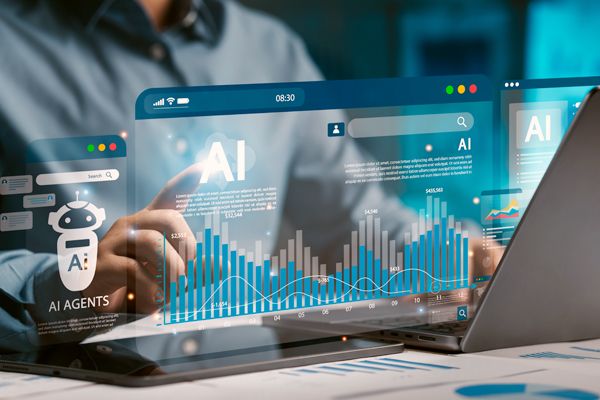
A Real-Time Data and Agentic AI Platform refers to a digital environment where live data streams are processed instantly and intelligent agents act on that information with minimal human intervention. These platforms combine real-time analytics with agent-based artificial intelligence to observe events, interpret signals, and initiate actions across connected systems.
Real-time data platforms emerged to address delays in traditional batch processing, where insights were available only after data collection cycles ended. As organizations began handling continuous data from applications, devices, and digital interactions, the need for immediate processing became critical.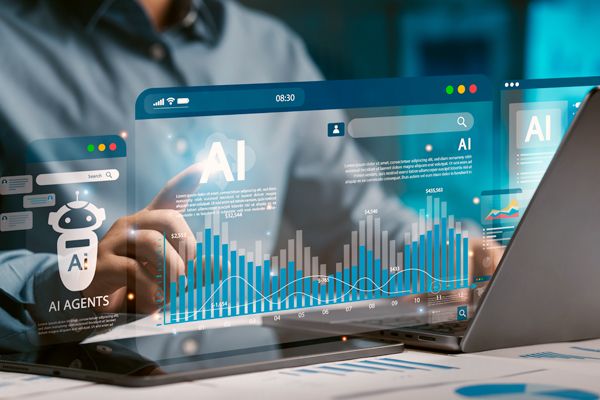
Agentic AI adds another layer by enabling autonomous or semi-autonomous software agents. These agents analyze incoming information, make decisions based on defined objectives, and coordinate tasks across workflows. Together, real-time data analytics and agentic AI form a foundation for responsive digital operations.
This approach supports environments where speed, accuracy, and adaptability are essential.
Importance: Why Real-Time AI Platforms Matter Across Modern Systems
Real-Time Data and Agentic AI Platforms matter because they transform how information is used in fast-moving environments. Instead of reacting after events occur, organizations can respond while events are unfolding.
These platforms affect technology teams, business analysts, operations managers, and decision-makers who rely on timely insights.
Key areas of impact include:
-
Immediate awareness: Real-time AI analytics helps detect changes or anomalies as they happen.
-
Autonomous workflows: Agentic AI platforms enable software agents to manage tasks without continuous supervision.
-
Operational efficiency: Automated responses reduce delays in digital processes.
-
Scalable intelligence: Systems adapt as data volumes grow.
-
Improved decision support: Continuous insights guide planning and execution.
Industries such as finance, logistics, healthcare technology, cybersecurity, and digital commerce increasingly depend on real-time data platforms to maintain reliability and responsiveness.
By combining live data processing with intelligent agents, these platforms support environments where rapid action and informed decisions are critical.
Recent Updates: Ongoing Developments in Real-Time AI and Agentic Systems
Recent developments in real-time AI platforms focus on deeper integration, stronger autonomy, and better orchestration of intelligent agents.
Key trends observed in recent periods include:
-
Event-driven architectures: Platforms increasingly rely on streaming pipelines that react instantly to incoming data.
-
Multi-agent coordination: Agentic AI systems now emphasize collaboration between multiple autonomous agents.
-
Edge-level processing: Some analytics workloads are handled closer to data sources to reduce latency.
-
Context-aware agents: AI agents are being designed to understand operational context rather than isolated signals.
-
Enhanced observability: Monitoring tools provide clearer visibility into agent behavior and data flows.
These developments strengthen the role of real-time data analytics as a core component of intelligent digital ecosystems.
Laws or Policies: Regulatory Considerations for Real-Time AI Platforms
Real-Time Data and Agentic AI Platforms operate within legal and governance frameworks that address data protection, algorithmic accountability, and system transparency.
While regulations differ by region, common policy considerations include:
-
Data privacy regulations: Rules governing how personal or sensitive data is processed in real time.
-
AI governance frameworks: Guidelines defining responsible AI usage and decision explainability.
-
Cybersecurity standards: Requirements for protecting streaming data pipelines and AI agents.
-
Digital infrastructure policies: National initiatives encouraging secure adoption of advanced analytics.
These frameworks influence how real-time AI platforms are designed, deployed, and monitored, ensuring that intelligent systems operate ethically and securely.
Tools and Resources: Platforms and Frameworks Supporting Real-Time Agentic AI
Several categories of tools help teams work with real-time data platforms and agentic AI architectures.
Common resources include:
-
Streaming analytics frameworks for processing continuous data flows
-
AI orchestration tools that coordinate multiple intelligent agents
-
Data visualization environments for monitoring real-time metrics
-
Workflow automation platforms that integrate agent actions with business systems
-
Technical documentation libraries explaining event-driven and agent-based design patterns
These tools help developers and analysts understand system behavior, evaluate performance, and refine AI-driven workflows.
Core Components of Real-Time Data and Agentic AI Platforms
Real-time AI platforms typically consist of several interconnected layers.
| Component | Primary Role | Example Function |
|---|---|---|
| Data ingestion layer | Captures live data | Streaming events |
| Processing engine | Analyzes incoming signals | Pattern detection |
| Agentic AI layer | Executes autonomous logic | Task coordination |
| Integration layer | Connects external systems | Workflow triggers |
| Observability tools | Tracks system behavior | Performance insights |
Together, these components enable continuous data interpretation and intelligent action.
FAQs
What is a real-time data platform used for?
A real-time data platform processes live information streams to generate immediate insights and support rapid decision-making.
How does an agentic AI platform differ from traditional AI systems?
An agentic AI platform uses autonomous agents that can plan, act, and collaborate, rather than simply providing predictions.
Who typically uses real-time AI analytics?
Technology teams, operations managers, data analysts, and digital product leaders rely on real-time AI analytics.
Can agentic AI platforms operate without constant human input?
Yes. Agentic AI platforms are designed to perform predefined tasks independently while still allowing human oversight.
Why is observability important in real-time AI systems?
Observability helps teams understand how data flows and agents behave, ensuring reliability and accountability.
Conclusion: Understanding the Role of Real-Time Agentic AI in Digital Transformation
Real-Time Data and Agentic AI Platforms represent a shift from reactive systems to responsive intelligence. By combining continuous data processing with autonomous agents, these platforms enable organizations to interpret events instantly and act with greater precision.
Their growing adoption reflects the need for faster insights, scalable automation, and adaptive digital operations. As real-time data analytics and agentic AI continue to evolve, these platforms will remain central to modern system design, supporting environments where speed, coordination, and informed action are essential.