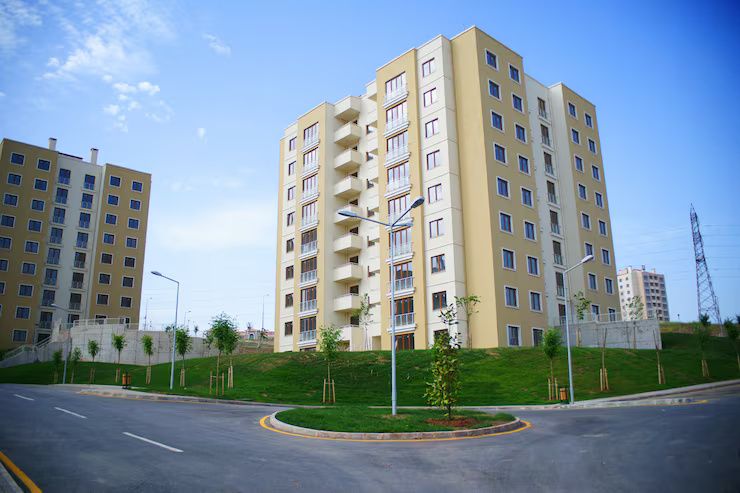
Renting an apartment in Pune refers to occupying a residential unit for a defined period under a legal rental agreement. This system exists because Pune has grown into a major center for education, information technology, manufacturing, and research. A large portion of the city’s population consists of students, professionals, and families who prefer flexible housing arrangements rather than permanent ownership.
Historically, Pune developed as an educational and cultural hub with traditional residential neighborhoods. As industries and technology parks expanded, especially after the early 2000s, population inflow increased significantly. Apartment rentals became a practical solution to accommodate people relocating for studies or work without long-term commitments.
Today, renting apartments in Pune is an essential part of the city’s housing ecosystem. It supports population mobility, enables access to employment hubs, and allows residents to choose locations and layouts that suit changing lifestyle needs.
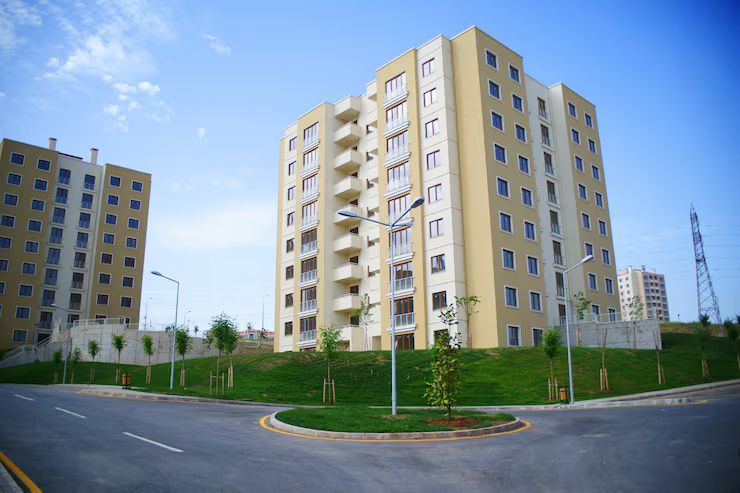
Importance: Why Apartment Rentals Matter Today
Apartment rentals matter today because Pune’s population is dynamic and constantly evolving. With frequent movement of students, professionals, and families, rental housing provides adaptability and continuity.
This topic matters because renting apartments:
-
Supports workforce and student mobility
-
Helps residents live close to workplaces or institutions
-
Reduces pressure on permanent housing demand
-
Encourages planned urban residential growth
Apartment rentals affect tenants, property owners, urban planners, and civic authorities. For tenants, rentals solve challenges related to relocation flexibility and short- to medium-term housing needs. For the city, a strong rental market helps distribute population across multiple zones rather than concentrating growth in limited areas.
Understanding locations and layouts helps residents make informed decisions about daily commute, space utilization, and long-term comfort.
Recent Updates: Rental Housing Trends in Pune Over the Past Year
During 2024 and early 2025, Pune’s rental housing patterns reflected infrastructure and lifestyle changes. In early 2024, areas near technology parks and metro corridors attracted attention due to improved connectivity. Residential discussions increasingly focused on accessibility rather than proximity alone.
In mid-2024, apartment layouts gained prominence in rental decisions. Tenants showed stronger interest in efficient layouts with better ventilation, work-friendly spaces, and utility areas that support hybrid work routines.
By late 2024 and into 2025, suburban rental markets expanded. Locations slightly away from the city center became more visible due to better roads, social infrastructure, and availability of newer apartment complexes.
Another notable update involved digital processes. Rental documentation, verification, and communication increasingly moved online, making rental management more structured and transparent.
Laws and Policies: Regulations Affecting Apartment Rentals in Pune
Renting apartments in Pune is governed by state-level rental laws, municipal regulations, and urban planning policies that ensure clarity and accountability for both tenants and property owners.
Urban civic administration and building compliance are overseen by the Pune Municipal Corporation, which manages zoning, residential approvals, and local infrastructure standards. These regulations influence where rental apartments are developed and maintained.
Metropolitan planning and long-term urban growth are coordinated by the Pune Metropolitan Region Development Authority, which guides residential expansion across the wider Pune region.
Rental agreements and housing transparency are influenced by state housing laws and real estate regulations, providing a legal framework for tenancy terms, documentation, and dispute resolution.
Tools and Resources: Understanding Rental Apartments in Pune
Several informational and planning resources help individuals understand apartment rentals in Pune. These tools focus on awareness, planning, and residential understanding rather than promotion.
Helpful tools and references include:
-
City and ward-level zoning maps
-
Public transport and metro connectivity planners
-
Apartment floor plan and layout references
-
Rental agreement structure guides
-
Resident association rules and handbooks
The table below outlines common rental apartment locations in Pune and their general characteristics:
| Location Type | General Characteristics | Rental Living Context |
|---|---|---|
| Central Pune | Established neighborhoods | Educational and cultural |
| IT corridors | Proximity to technology parks | Professional households |
| Western suburbs | Planned residential clusters | Mixed-use living |
| Eastern zones | Industrial and residential mix | Workforce housing |
| Peripheral areas | Emerging housing developments | Long-term urban expansion |
Another table highlights typical apartment layouts commonly rented in Pune:
| Layout Type | Key Features | Common Use Case |
|---|---|---|
| 1 BHK | Compact, single-bedroom layout | Individuals, students |
| 2 BHK | Balanced space with two bedrooms | Small families, sharing |
| 3 BHK | Larger layout with more privacy | Families, long stays |
| Studio | Open-plan compact unit | Short-term urban living |
These tools help tenants understand how location and layout influence daily living experience.
Frequently Asked Questions About Renting Apartments in Pune
What types of apartments are commonly rented in Pune?
1 BHK, 2 BHK, and 3 BHK apartments are the most common rental formats across the city.
Why is location important when renting in Pune?
Location affects commute time, access to education and work hubs, and daily convenience.
Do apartment layouts differ across Pune locations?
Yes, newer developments often offer more efficient and modern layouts compared to older neighborhoods.
Are rental agreements regulated?
Yes, rental agreements follow state housing laws and standard legal documentation practices.
Why is Pune popular for rental housing?
Its educational institutions, employment opportunities, and quality of life attract a mobile population.
Conclusion: Understanding Apartment Rentals in Pune
Renting an apartment in Pune is closely tied to the city’s role as an educational, technological, and cultural center. Rental housing supports flexibility, mobility, and access to opportunity while allowing the city to grow in a structured manner.
By understanding the context, importance, recent trends, regulatory framework, tools, and common questions related to renting apartments in Pune, readers gain a clearer picture of how rental housing fits into the city’s urban fabric. Knowledge of locations and layouts helps residents align housing choices with lifestyle needs, making apartment renting a practical and informed step in Pune’s evolving urban environment.