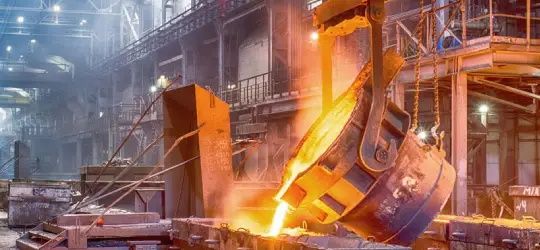
Robotic foundry automation and intelligent material handling systems are transforming how metal casting facilities operate. Foundries, which produce metal parts by pouring molten material into molds, have traditionally relied on manual labor for tasks such as mold preparation, pouring, cooling, and finishing. These processes can involve high temperatures, repetitive motion, and heavy materials.
With the rise of automated foundry systems and smart foundry technology, many of these tasks are now performed using machines, sensors, and software. Robotic foundry automation refers to the use of programmable robots to handle specific operations such as pouring molten metal, moving castings, or finishing surfaces. At the same time, automated material handling systems in foundry environments manage the movement of raw materials, molds, and finished products across the facility.
These technologies have developed alongside advances in robotics, data analytics, and industrial connectivity. Together, they aim to improve consistency, reduce risks, and streamline production processes.
Importance
Improving Workplace Safety
Foundry environments involve exposure to heat, dust, and heavy equipment. Robotic foundry automation helps reduce direct human involvement in hazardous tasks. For example, robots can handle molten metal pouring or transport hot castings, limiting the need for workers to operate in high-risk zones.
Enhancing Process Consistency
Manual processes can vary depending on operator skill and fatigue. Foundry robotics systems perform tasks with consistent precision, which can lead to more uniform casting quality. This is particularly important in industries such as automotive and aerospace, where component reliability is critical.
Addressing Labor Challenges
Many industrial sectors face challenges in maintaining a stable workforce for physically demanding tasks. Automated foundry systems can help fill operational gaps by handling repetitive or strenuous activities, allowing human workers to focus on supervision, maintenance, and quality control.
Supporting Energy Efficiency
Energy efficiency in foundry automation is becoming increasingly relevant due to environmental concerns and operational constraints. Automated systems can optimize furnace usage, reduce material waste, and improve timing between production steps. These improvements contribute to more efficient energy consumption without altering the core casting process.
Managing Complex Material Flows
Modern foundries handle a wide range of materials, including sand, metal alloys, and additives. Automated material handling systems in foundry operations coordinate the movement of these materials using conveyors, robotic arms, and guided vehicles. This reduces delays and helps maintain a steady production flow.
Recent Updates
Integration of Smart Sensors and IoT
Between 2024 and 2026, smart foundry technology has increasingly incorporated Internet of Things (IoT) devices. Sensors placed on equipment monitor temperature, vibration, and usage patterns. This data is used to predict maintenance needs and prevent unexpected downtime.
Growth of Collaborative Robots
Collaborative robots, often called cobots, are designed to work alongside human operators. In foundry settings, these robots assist with tasks like inspection and light assembly. Their ability to operate safely in shared spaces has expanded their use in smaller facilities.
Adoption of Digital Twins
Digital twin technology creates virtual models of foundry processes. These models simulate production scenarios, allowing operators to test changes before applying them in real operations. This approach supports better planning and reduces trial-and-error adjustments.
Expansion of Automated Material Transport
Automated guided vehicles (AGVs) and autonomous mobile robots (AMRs) are now more common in foundries. These systems move materials between workstations without fixed tracks, offering flexibility in plant layout. This trend supports more adaptable production environments.
Focus on Data-Driven Decision Making
Advanced software platforms analyze data collected from foundry robotics systems. These tools provide insights into production efficiency, equipment performance, and resource usage. As a result, decision-making is increasingly based on measurable data rather than manual observation alone.
Laws or Policies
Workplace Safety Regulations
In many countries, foundries must comply with occupational safety standards. These rules govern exposure to heat, noise, and airborne particles. The introduction of robotic foundry automation often aligns with these regulations by reducing direct human exposure to hazards.
Environmental Compliance
Foundries are subject to environmental rules related to emissions, waste management, and energy usage. Automated systems can support compliance by improving process control and reducing material waste. For example, precise pouring techniques can minimize excess metal usage.
Industrial Automation Standards
Governments and industry bodies have developed standards for automation systems, including robotics and control software. These standards ensure that equipment operates safely and integrates properly with existing systems. Compliance is important for maintaining operational reliability.
Data and Connectivity Policies
As smart foundry technology relies on data collection and networked systems, policies related to data security and industrial communication are increasingly relevant. These policies guide how data is stored, shared, and protected within automated environments.
Tools and Resources
Simulation and Modeling Software
Tools for process simulation help foundries design and test automated workflows. These platforms allow users to model casting processes, evaluate material flow, and identify potential bottlenecks before implementation.
Robotics Programming Platforms
Modern foundry robotics systems use programming environments that allow operators to define tasks and adjust robot behavior. Some platforms include visual interfaces that simplify programming for non-specialists.
Monitoring and Analytics Systems
Data analytics tools collect information from sensors and machines. These systems track performance metrics such as production rates, energy usage, and equipment condition. Dashboards present this data in a structured format for easier interpretation.
Material Handling Control Systems
Automated material handling systems in foundry operations rely on control software to coordinate conveyors, robots, and vehicles. These systems ensure that materials move efficiently between stages without manual intervention.
Example Comparison of System Types
| System Type | Primary Function | Typical Benefit |
|---|---|---|
| Robotic pouring systems | Handle molten metal transfer | Improved consistency |
| Conveyor-based handling | Move molds and castings | Continuous material flow |
| Automated guided vehicles (AGVs) | Transport materials across facility | Flexible routing |
| Sensor monitoring systems | Track equipment and environment data | Predictive maintenance |
| Digital twin platforms | Simulate production processes | Better planning and optimization |
FAQs
What are automated foundry systems?
Automated foundry systems are integrated setups that use machines, robotics, and software to perform tasks involved in metal casting. These systems reduce manual intervention and improve process consistency.
How does robotic foundry automation improve safety?
Robotic foundry automation reduces the need for workers to perform tasks in high-temperature or hazardous areas. Robots can handle molten materials and heavy objects, lowering the risk of injury.
What is meant by smart foundry technology?
Smart foundry technology refers to the use of connected devices, sensors, and data analytics in foundry operations. These tools monitor processes in real time and support informed decision-making.
How do automated material handling systems in foundry environments work?
Automated material handling systems in foundry settings use conveyors, robotic arms, and mobile vehicles to move materials between stages. These systems are controlled by software that coordinates movement based on production needs.
Why is energy efficiency in foundry automation important?
Energy efficiency in foundry automation helps reduce unnecessary energy use during production. Automated systems optimize processes such as heating and cooling, which can lower overall energy consumption while maintaining output levels.
Conclusion
Robotic foundry automation and intelligent material handling systems represent a significant shift in how foundries operate. By combining robotics, data systems, and automated workflows, these technologies improve safety, consistency, and efficiency. Recent developments continue to expand their capabilities, particularly through smart sensors and data-driven tools. As regulations and operational demands evolve, these systems play an important role in modern industrial processes. Their adoption reflects a broader trend toward more connected and automated manufacturing environments.