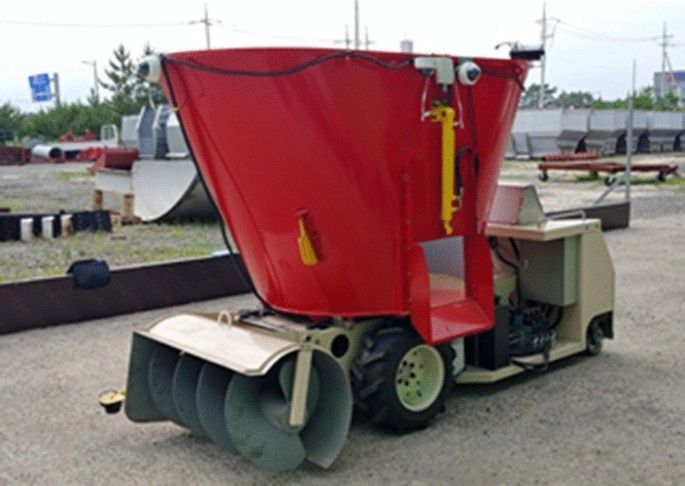
A robotic TMR mixer is an automated feeding system used in dairy and livestock farms to prepare and distribute Total Mixed Ration (TMR). Total Mixed Ration refers to a balanced blend of forage, grains, protein sources, minerals, and supplements combined to meet the nutritional needs of cattle. Traditionally, this process required manual operation or tractor-powered mixers. The introduction of robotic TMR mixer systems reflects the broader shift toward farm automation and precision livestock management.
Traditionally, feeding livestock required manual effort, including measuring ingredients, mixing them, and distributing feed. Over time, the need for efficiency and consistency led to the development of the TMR mixer machine. With the addition of automation, robotic feeding systems now handle these tasks with minimal human intervention.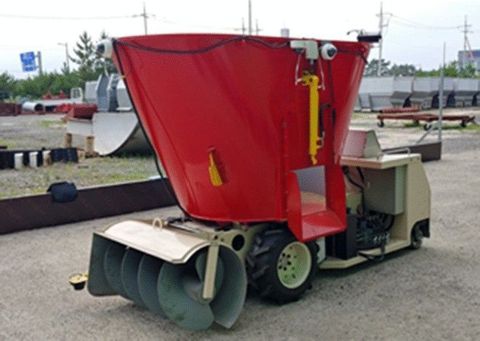
The concept of robotic TMR mixer systems is part of a broader shift toward dairy farm automation. These systems aim to improve feeding accuracy, reduce labor dependency, and support better feed management practices.
Importance
Robotic TMR mixers are important because they address several challenges faced in livestock farming. Feeding animals manually can lead to inconsistencies in nutrition, increased labor demands, and time constraints.
With the use of automated feed mixer systems, farms can maintain consistent feeding schedules and uniform feed quality. This is particularly relevant in dairy farming, where proper nutrition directly affects milk production and animal health.
The importance of livestock feeding technology can be seen in everyday farm operations:
- Consistency in feeding ensures balanced nutrient intake
- Reduced manual work helps manage labor limitations
- Time efficiency allows farmers to focus on other activities
- Better feed control supports overall farm productivity
These factors highlight the role of smart dairy farming in modern agricultural practices.
Types of TMR Mixer Machines
Different types of TMR mixer machines are available based on design and level of automation.
Vertical TMR Mixers
Vertical mixers use an upright design with rotating augers to blend feed ingredients.
- Suitable for mixing large volumes
- Common in medium to large farms
- Effective for fibrous materials
Horizontal TMR Mixers
Horizontal mixers use rotating paddles or augers placed horizontally.
- Provide faster mixing
- Suitable for uniform blending
- Often used in smaller setups
Stationary Mixers
These mixers remain fixed in one location and are used for centralized feed preparation.
- Require manual or semi-automated distribution
- Suitable for structured farm layouts
Robotic TMR Mixers
Robotic TMR mixer systems combine mixing and distribution in one automated process.
- Operate as part of a robotic feeding system
- Follow programmed routes for feed delivery
- Reduce the need for manual intervention
TMR Feeding Process
The TMR feeding process involves several steps to ensure proper preparation and distribution of feed.
Ingredient Collection
Feed components such as silage, grains, and supplements are gathered and measured according to nutritional requirements.
Mixing Phase
The ingredients are loaded into the TMR mixer machine, where they are blended into a uniform mixture. This step is critical for maintaining balanced nutrition.
Distribution Phase
In a robotic feeding system, the mixed feed is automatically delivered to feeding areas. The system may follow pre-defined paths and schedules.
Monitoring and Adjustment
Modern automated feed mixer systems include sensors and controls to monitor feed levels and adjust quantities as needed.
Comparison of TMR Mixer Types
| Type | Design Style | Mixing Speed | Automation Level | Typical Use Case |
|---|---|---|---|---|
| Vertical Mixer | Upright auger | Moderate | Low to medium | Large farms |
| Horizontal Mixer | Side auger/paddle | Faster | Low to medium | Small to medium farms |
| Stationary Mixer | Fixed system | Moderate | Medium | Centralized feeding |
| Robotic TMR Mixer | Automated system | Controlled | High | Smart dairy farming |
Recent Updates
Recent developments in robotic TMR mixer technology focus on improving automation and data integration. Many systems now include smart sensors that track feed consumption and adjust feeding schedules accordingly.
Another trend is the integration of robotic feeding systems with farm management software. This allows farmers to monitor operations remotely and analyze feeding patterns over time.
There is also increasing interest in precision feeding, where automated feed mixer systems adjust rations based on individual animal needs. This approach supports more efficient use of resources and improved livestock management.
Laws or Policies
The use of robotic TMR mixer systems in agriculture is influenced by general farming regulations and safety guidelines.
Equipment Safety Standards
Machines must meet safety requirements related to mechanical operation and electrical systems. Proper installation and maintenance are essential.
Animal Welfare Guidelines
Feeding systems should support consistent access to feed and avoid overcrowding or uneven distribution.
Environmental Considerations
Feed management systems may be subject to guidelines related to waste reduction and resource efficiency.
These policies aim to ensure that livestock feeding technology is used responsibly and safely.
Tools and Resources
Several tools and resources support the effective use of robotic TMR mixer systems.
Farm Management Software
Digital platforms help track feeding schedules, monitor livestock data, and manage overall farm operations.
Feed Calculation Tools
These tools assist in determining the correct mix of ingredients for total mixed ration feeding.
Sensor-Based Monitoring Systems
Sensors track feed levels, consumption patterns, and system performance.
Training Materials
Educational resources explain how to operate TMR mixer machines and maintain feeding systems effectively.
FAQs
What is a robotic TMR mixer?
A robotic TMR mixer is an automated machine that prepares and distributes feed using a robotic feeding system, reducing manual effort in livestock feeding.
How does the TMR feeding process work?
The TMR feeding process involves collecting ingredients, mixing them into a uniform ration, and distributing the feed to animals using manual or automated methods.
What are the benefits of dairy farm automation in feeding?
Dairy farm automation improves consistency, reduces labor requirements, and supports better feed management through automated feed mixer systems.
What is total mixed ration feeding?
Total mixed ration feeding is a method where all feed ingredients are combined into a single mixture to ensure balanced nutrition for livestock.
How does a feed management system help farms?
A feed management system helps track feed usage, maintain consistency, and improve efficiency in livestock feeding operations.
Conclusion
Robotic TMR mixer systems represent an important step in the evolution of livestock feeding technology. By combining mixing and distribution into an automated process, they support efficiency and consistency in farm operations. Understanding the TMR feeding process and the role of dairy farm automation helps explain their growing use in agriculture. As technology continues to develop, these systems remain part of broader efforts to improve farm management and productivity.