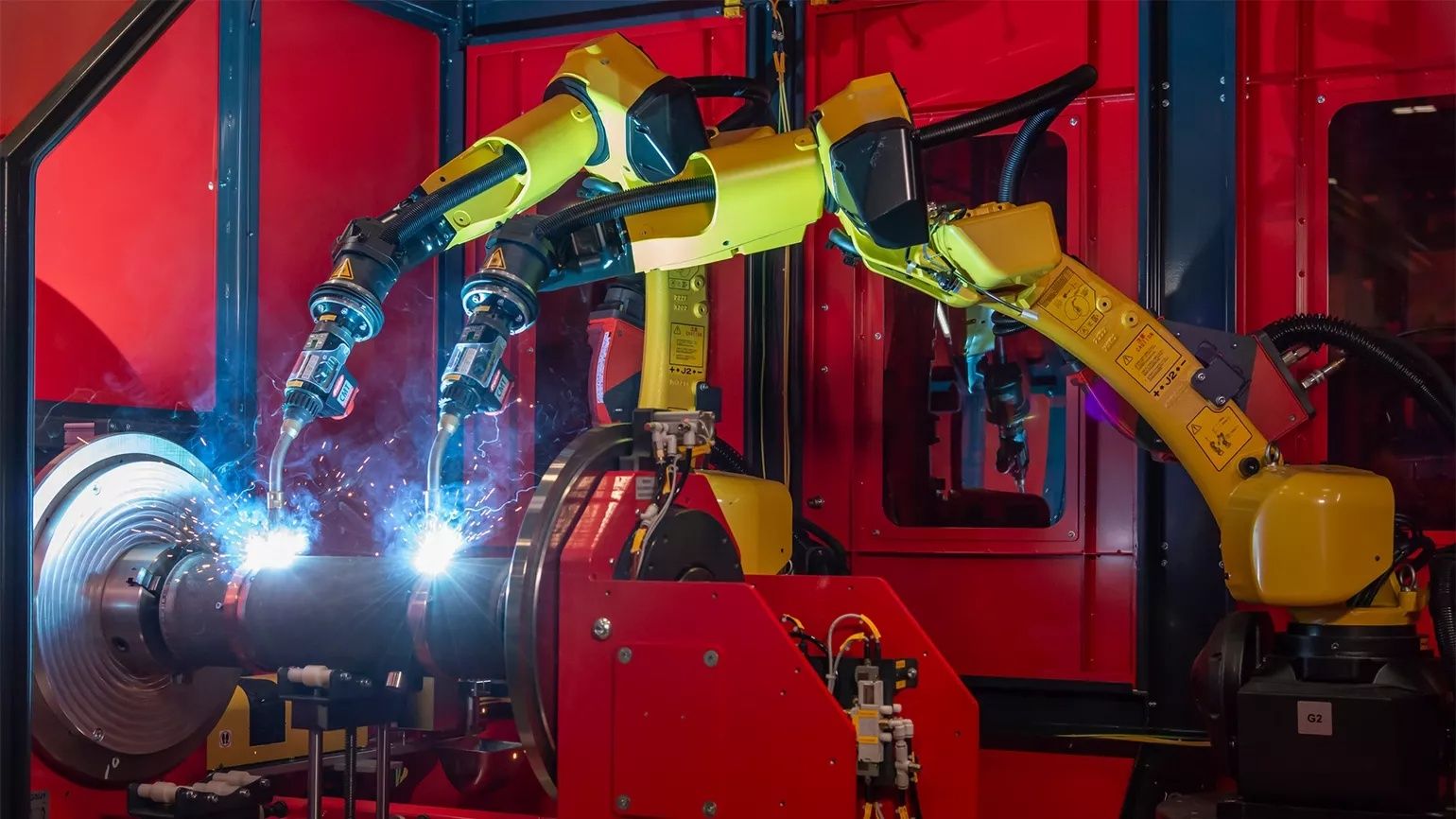
Robotic welding cells are automated setups that use machines to perform welding tasks with limited human intervention. A typical robotic welding system combines industrial robots, welding equipment, sensors, and control software within a defined workspace. These systems emerged from the broader field of industrial automation, which began expanding in the late 20th century to improve manufacturing consistency and efficiency.
The robot welding process involves programming a robot to follow a specific path while applying heat and filler material to join metal parts. Over time, advancements in computing, sensors, and machine learning have made robotic welding more precise and adaptable. Today, automated welding cell design is used in industries such as automotive, construction, and heavy equipment manufacturing.
Robotic welding integration refers to how these systems are connected with other production processes, such as material handling or quality inspection. This integration allows different stages of manufacturing to work together smoothly, forming a coordinated system rather than isolated steps.
Importance
Robotic welding cells are important because they address several challenges in modern manufacturing. Welding requires accuracy, consistency, and safety—areas where automation can provide measurable improvements.
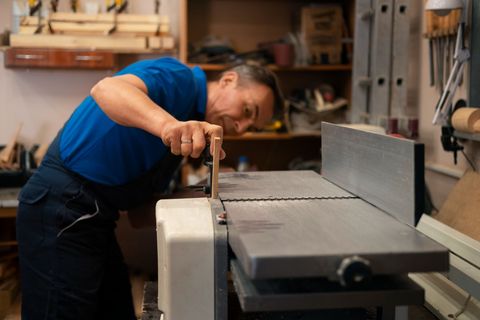
One key issue is variability in manual welding. Human welders may produce slight differences in weld quality due to fatigue or environmental conditions. A robotic welding system can repeat the same motion with high precision, reducing inconsistencies.
Safety is another major factor. Welding involves high temperatures, intense الضوء, and potentially harmful fumes. Automated systems reduce direct human exposure by handling these tasks within enclosed cells.
Efficiency also plays a role. Automated welding cell design allows production lines to operate continuously with minimal interruptions. This can be particularly useful in industries that require large volumes of identical components.
The robotic welding advantages extend to several groups:
- Manufacturers benefit from predictable output and reduced material waste
- Workers benefit from safer working environments
- End users benefit from products with consistent structural integrity
Recent Updates
From 2024 to 2026, robotic welding has continued to evolve with improvements in artificial intelligence and sensor technology. One notable trend is the use of adaptive welding systems that can adjust parameters in real time. These systems use cameras and sensors to detect variations in material or alignment and modify the robot welding process accordingly.
Collaborative robots, often called cobots, have also gained attention. Unlike traditional industrial robots that operate in isolated cells, cobots are designed to work alongside humans. This has influenced automated welding cell design by introducing more flexible layouts.
Another development is the integration of digital twins. A digital twin is a virtual model of a physical system that allows engineers to simulate and optimize robotic welding integration before implementing it in a real environment. This reduces setup time and helps identify potential issues early.
Cloud-based monitoring has also expanded. Data from robotic welding systems can now be collected and analyzed remotely, allowing for predictive maintenance and performance tracking.
Laws or Policies
Robotic welding cells are influenced by workplace safety regulations and industrial standards. In India, these are primarily governed by frameworks such as the Factories Act and guidelines from the Directorate General Factory Advice Service and Labour Institutes (DGFASLI). These rules focus on worker safety, machine guarding, and hazard control.
Automated welding cell design must include safety features such as:
- Physical barriers or enclosures to prevent accidental contact
- Emergency stop mechanisms that halt operations immediately
- Proper ventilation systems to manage fumes
Standards from organizations like the Bureau of Indian Standards (BIS) and international bodies such as the International Organization for Standardization (ISO) also guide robotic welding integration. These standards define requirements for machine safety, electrical systems, and operational procedures.
Employers are responsible for ensuring that robotic welding systems comply with these regulations. This includes regular inspections, maintenance, and worker training to safely interact with automated equipment.
Tools and Resources
Several tools and platforms support the planning, operation, and maintenance of robotic welding cells. These resources help engineers and operators manage different aspects of the system.
Simulation software is widely used in automated welding cell design. Examples include:
- RoboDK, which allows users to simulate robot paths and welding sequences
- ABB RobotStudio, which provides offline programming and virtual testing
- FANUC ROBOGUIDE, which supports system layout and cycle time analysis
For the robot welding process, programming tools are essential. These tools enable operators to define movement paths, welding parameters, and error handling routines.
Monitoring platforms also play a role. Systems connected to industrial Internet of Things (IIoT) networks can track performance metrics such as weld quality, cycle time, and equipment status.
The following table summarizes common components and their functions within a robotic welding system:
| Component | Function |
|---|---|
| Industrial robot | Executes programmed welding movements |
| Welding power source | Provides energy required for welding |
| Welding torch | Delivers heat and filler material to the joint |
| Sensors and cameras | Monitor alignment, position, and weld quality |
| Control system | Coordinates robot actions and process parameters |
| Safety enclosure | Protects workers from hazards |
These tools and components work together to support effective robotic welding integration within manufacturing environments.
FAQs
What is a robotic welding system?
A robotic welding system is an automated setup that uses programmable robots to perform welding tasks. It includes equipment such as robots, welding power sources, sensors, and control software working together in a coordinated environment.
How does the robot welding process work?
The robot welding process involves programming a robot to follow a specific path while applying heat and filler material to join metal parts. Sensors may provide feedback to adjust parameters in real time for improved accuracy.
What are the main robotic welding advantages?
Robotic welding advantages include consistent weld quality, improved safety by reducing human exposure to hazards, and increased efficiency through continuous operation.
What is automated welding cell design?
Automated welding cell design refers to the planning and arrangement of all components in a welding cell. This includes robot placement, safety systems, material flow, and integration with other production processes.
Why is robotic welding integration important?
Robotic welding integration ensures that welding systems work smoothly with other parts of a production line. This coordination helps improve workflow, reduce delays, and maintain consistent output quality.
Conclusion
Robotic welding cells represent a significant development in industrial automation, combining precision, safety, and efficiency. The robotic welding system and robot welding process have evolved with advancements in sensors, software, and connectivity. Automated welding cell design and robotic welding integration enable these systems to function as part of larger production environments. Understanding these elements helps explain how modern manufacturing achieves consistent and reliable results.