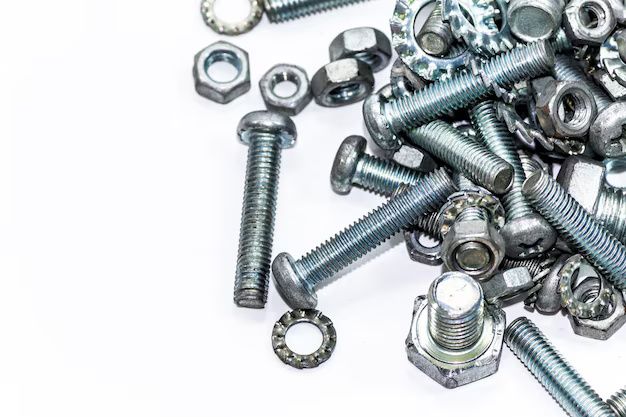
Screws and bolts are essential components that keep machines, buildings, vehicles, and industrial systems safely connected. Every engineering structure depends on secure mechanical joints, and this is why the fastener industry exists. Reliable suppliers ensure precision, durability, and compliance with global standards so that the final structure remains stable under pressure, vibration, heat, and harsh environments.
Fasteners remain one of the most widely used components across sectors ranging from construction to electronics, making their accuracy and quality non-negotiable.
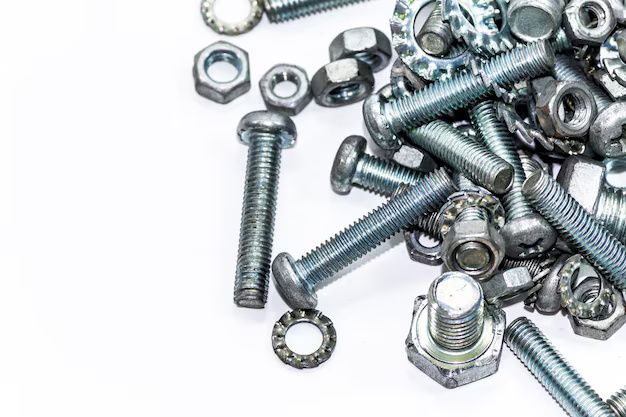
Importance: Why Selecting the Right Fastener & Supplier Matters
Using accurate fasteners directly affects performance and safety. Wrong strength grades, incorrect material choices, or low-quality finishes can lead to failure in machinery or structures.
How the right fasteners help:
-
Prevent structural failure
-
Maintain alignment in moving machinery
-
Resist corrosion in outdoor or chemical environments
-
Reduce maintenance downtime
-
Improve long-term durability
-
Support heavy loads and pressure
Industries that depend on high-quality screws and bolts include:
-
Construction
-
Automotive and heavy vehicles
-
Oil, gas, and petrochemicals
-
Electrical and electronics
-
Renewable energy
-
Aerospace and defense
-
Industrial machinery and manufacturing
Recent Updates: Fastener Industry Trends (2024–2025)
AI-powered inspection is now widely adopted for accurate defect detection.
High-tensile fasteners (8.8, 10.9, 12.9) are in high demand for heavy load applications.
Advanced coatings like ceramic and zinc-nickel offer superior corrosion resistance.
Lightweight titanium and aluminum fasteners are trending in EVs and aerospace.
Batch traceability with QR codes is becoming the new standard for quality tracking.
Laws or Policies Influencing Screw & Bolt Suppliers
Fasteners must comply with international standards to ensure safety and compatibility.
Global Standards:
-
ISO 898 – Mechanical properties of fasteners
-
ISO 4014/4017 – Hex bolts
-
ISO 3506 – Stainless steel fasteners
-
ASTM A193/A194 – High-temperature bolts
-
ASTM F568 – Carbon steel fasteners
-
DIN standards – European technical benchmarks
Chemical safety regulations:
-
REACH and RoHS govern approved plating chemicals.
These compliance requirements ensure fasteners meet mechanical, metallurgical, and environmental performance expectations.
Types of Screws and Bolts
Below is a single combined reference table for all major categories.
Fastener Types Overview
| Fastener Type | Description | Common Uses |
|---|---|---|
| Machine Screws | Uniform threads | Motors, appliances |
| Self-Tapping Screws | Cuts threads in metal | Sheet metal, HVAC |
| Wood Screws | Coarse threads | Furniture, carpentry |
| Drywall Screws | Sharp, fine head | Interior wall panels |
| Concrete Screws | Hardened for masonry | Construction |
| Micro Screws | Very small precision screws | Electronics, watches |
| Hex Bolts | Standard industrial bolt | Machinery, structures |
| Carriage Bolts | Smooth head, square neck | Wood structures |
| Anchor Bolts | Embedded in concrete | Foundations |
| U-Bolts | U-shaped clamps | Pipes, poles |
| Eye Bolts | Loop at end | Lifting and rigging |
| Stud Bolts | Thread on both ends | Pipe flanges, oil & gas |
Materials Used for Screws & Bolts
Choosing the correct material improves durability, corrosion resistance, and performance.
| Material | Features | Applications |
|---|---|---|
| Carbon Steel | Strong & economical | General engineering |
| Stainless Steel (304/316) | Rust-resistant | Outdoor, food, chemical |
| Alloy Steel | High tensile strength | Heavy machinery |
| Brass | Conductive & corrosion-resistant | Electronics, plumbing |
| Titanium | Lightweight & high strength | Aerospace, medical |
| Aluminum | Light & corrosion-free | Electronics, appliances |
Strength Grades: Understanding Bolt Grades
Bolt grades indicate how much load a fastener can handle.
Metric Grades:
-
4.6 (low strength)
-
5.8 (medium strength)
-
8.8 (high tensile)
-
10.9 (strong)
-
12.9 (ultra-high strength)
Imperial Grades:
-
Grade 2 – Light duty
-
Grade 5 – Automotive
-
Grade 8 – Heavy industrial
Higher grade fasteners offer greater load-bearing capacity, hardness, and durability.
Coatings and Surface Finishes
Fasteners require proper coatings to resist corrosion and environmental exposure.
-
Zinc plating – General-purpose protection
-
Hot-dip galvanizing – Harsh outdoor environments
-
Phosphate coating – Automotive machinery
-
Ceramic coating – Extreme corrosion resistance
-
Black oxide – Smooth, aesthetic finish
-
Zinc-nickel – High-performance coating for oil & gas
How Screws and Bolts Are Manufactured
A fastener goes through several steps before reaching the end user.
1. Wire Drawing: Steel rods are reduced to the required diameter.
2. Forging: The head is formed using cold or hot forging.
3. Thread Rolling: Threads are shaped by rolling, increasing strength.
4. Heat Treatment: Strength and hardness are enhanced.
5. Coating and Plating: Protective finishes are applied.
6. Inspection: Testing for tensile strength, hardness, and dimensional accuracy.
Industrial Applications of Screws and Bolts
Fasteners play a role in nearly every engineered structure.
Construction
Used in beams, foundations, roofing, cladding, and structural frames.
Automotive
Engines, suspensions, frames, braking systems, and transmission assemblies.
Oil & Gas
High-strength bolts for flanges, pipelines, refineries, and offshore platforms.
Manufacturing
Conveyor systems, machinery frames, assembly lines, industrial machines.
Electronics
Mobile devices, cameras, circuit boards, small appliances.
Renewable Energy
Wind turbines, solar panel mounting systems, battery equipment.
How to Choose the Right Screw or Bolt
A careful selection process ensures reliability and long-term performance.
Important factors include:
-
Required load-bearing capacity
-
Operating environment (heat, moisture, chemicals)
-
Correct thread type and pitch
-
Material compatibility
-
Suitable coating or finish
-
Compliance with ISO, ASTM, or DIN standards
-
Proper torque installation
Choosing the right fastener avoids mechanical failures and improves operational safety.
Tools and Resources
Useful tools for engineers and technicians include:
-
Torque calculators
-
Bolt size & thread calculators
-
Material comparison charts
-
Thread pitch gauge apps
-
ISO and ASTM standards library
-
Strength charts & load tables
FAQs
Which bolt grade is the strongest?
Grade 12.9 in metric fasteners provides the highest strength.
Is stainless steel better than galvanized?
Stainless steel offers longer corrosion resistance, while galvanized is preferred for cost-effective outdoor use.
Do bolts or screws hold more load?
Bolts handle higher loads because they work with nuts and washers.
What is the meaning of thread pitch?
Thread pitch is the distance between threads and ensures compatibility with nuts.
Can stainless steel fasteners rust?
They can under extreme conditions but resist corrosion better than carbon steel.
Conclusion
Screws and bolts are fundamental components that support machinery, structures, vehicles, and industrial systems across the world. Understanding fastener types, materials, coatings, strength grades, and selection methods helps ensure long-term safety, stability, and engineering reliability. By working with knowledgeable suppliers and choosing the right fastener for the right application, industries achieve better performance, reduced maintenance, and higher operational efficiency.