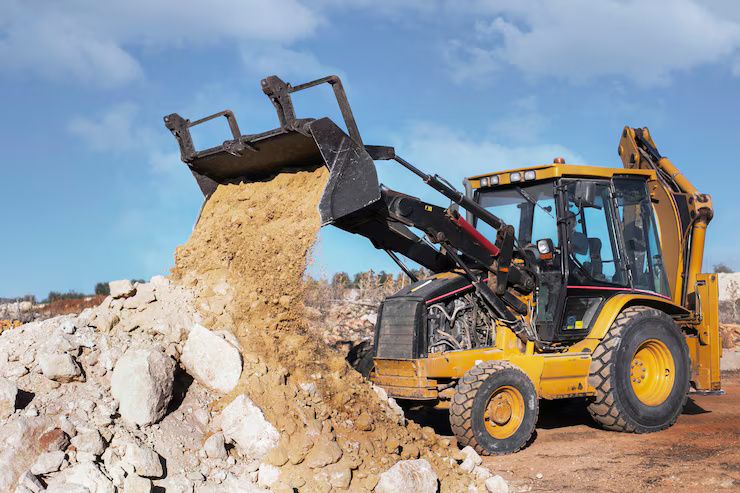
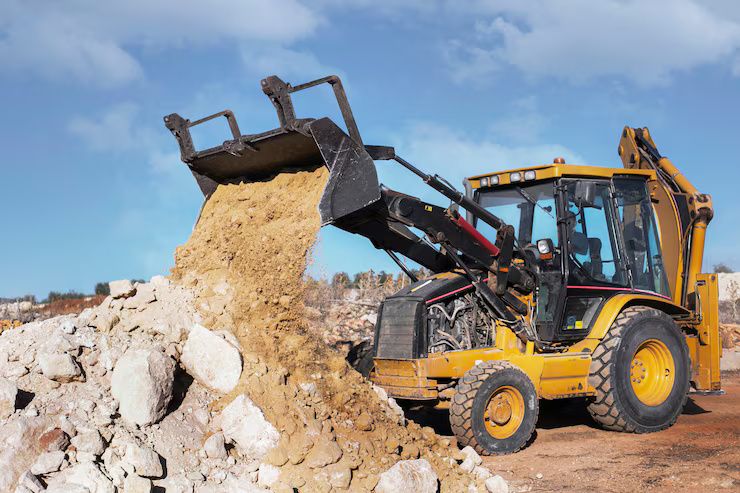
A skid steer loader is a compact, engine-powered construction machine designed for lifting, digging, grading, and material handling in confined or restricted spaces. It features lift arms that can connect to a wide variety of attachments, making it one of the most versatile pieces of heavy equipment in construction, landscaping, agriculture, and industrial operations.
Skid steer loaders exist to provide powerful performance in tight areas where larger machinery cannot operate efficiently. With increasing urban construction, road maintenance, and infrastructure upgrades, skid steer loaders have become essential equipment for contractors and project managers.
Context: What Skid Steer Loaders Are and Why They Exist
Traditional construction equipment such as wheel loaders and excavators are effective for large-scale operations but are less efficient in compact spaces. The skid steer loader was developed to solve this problem by offering maneuverability, multi-function capability, and ease of attachment change.
Skid steer loaders exist to:
-
Operate in confined job sites
-
Perform multiple tasks with interchangeable attachments
-
Improve productivity in small-to-medium projects
-
Reduce manual labor requirements
-
Support construction and landscaping operations
Modern skid steer loaders combine hydraulic power, compact design, and high torque to deliver reliable performance across industries.
Importance: Why Skid Steer Loaders Matter Today
Skid steer loaders play a critical role in small-scale and urban construction projects.
Key Reasons Skid Steer Loaders Are Important
1. Compact and Maneuverable Design
Ideal for tight spaces and indoor use.
2. Multi-Purpose Functionality
Supports dozens of attachments.
3. Cost-Effective Equipment Solution
Replaces multiple single-purpose machines.
4. High Productivity for Small Projects
Efficient for grading, loading, and excavation.
5. Versatile Across Industries
Used in construction, agriculture, snow removal, and landscaping.
This topic is relevant to construction contractors, landscaping professionals, agricultural operators, equipment rental companies, municipal departments, and infrastructure developers.
Recent Updates: Skid Steer Loader Trends (2024–2025)
Skid steer technology continues to evolve with improved efficiency and safety features.
Electric Skid Steer Loaders
Lower emissions and quieter operation.
Enhanced Hydraulic Systems
Improved attachment performance.
Smart Telematics Integration
Remote diagnostics and fleet tracking.
Advanced Operator Controls
Joystick steering and touchscreen panels.
Improved Safety Systems
Rear-view cameras and load monitoring.
Increased Lift Capacity Models
Better support for heavy-duty tasks.
Laws & Policies Affecting Skid Steer Loader Operation
Operation of skid steer loaders must comply with safety and environmental regulations.
Key regulatory considerations include:
-
Operator training and certification requirements
-
Workplace safety standards
-
Equipment inspection regulations
-
Emission and fuel efficiency standards
-
Noise and vibration limits
Compliance ensures safe job site operation.
How Skid Steer Loaders Work
Skid steer loaders operate using independent drive wheels or tracks on each side of the machine.
-
Engine powers hydraulic systems
-
Hydraulic pumps control lift arms and attachments
-
Wheels or tracks move independently
-
Machine turns by skidding wheels on one side
-
Lift arms raise and lower materials
-
Attachments perform specific tasks
This skid-based steering system enables sharp turns and precise maneuverability.
Core Components of Skid Steer Loaders
Engine
Diesel or electric power source.
Hydraulic System
Controls lifting and attachment functions.
Lift Arms
Support bucket and attachments.
Bucket or Attachment Interface
Quick coupler system.
Cabin and Controls
Operator interface.
Wheels or Tracks
Provide mobility and traction.
Cooling and Fuel System
Maintain engine efficiency.
Common Skid Steer Loader Attachments
Skid steer loaders are known for attachment versatility.
Bucket Attachment
For digging and loading.
Auger
For drilling holes.
Hydraulic Breaker
For demolition work.
Trencher
For pipeline installation.
Pallet Forks
For material transport.
Snow Blower and Plow
For winter maintenance.
Brush Cutter
For land clearing.
Grader Blade
For leveling and grading.
Skid Steer Attachments and Applications
| Attachment Type | Primary Use | Industry Application |
|---|---|---|
| Bucket | Digging & loading | Construction |
| Auger | Drilling | Fencing & utilities |
| Forks | Material transport | Warehousing |
| Trencher | Trenching | Infrastructure |
| Snow Plow | Snow removal | Municipal services |
Construction Uses of Skid Steer Loaders
Skid steer loaders are widely used across various construction activities.
Site Preparation
Clearing and leveling land.
Excavation and Digging
Small trench and foundation work.
Material Handling
Loading trucks and moving debris.
Demolition
Breaking concrete and removing waste.
Road Maintenance
Surface repair and grading.
Landscaping Projects
Planting, grading, and soil movement.
Benefits of Skid Steer Loaders
High Maneuverability
Turns within its own footprint.
Attachment Flexibility
Performs multiple tasks.
Compact Design
Works in confined spaces.
Lower Equipment Investment
Replaces multiple machines.
Ease of Transportation
Transportable on small trailers.
Challenges & Considerations
-
Limited reach compared to larger loaders
-
Stability concerns on uneven terrain
-
Operator skill requirements
-
Regular hydraulic maintenance
-
Noise and vibration management
Proper operation reduces risks.
How to Choose the Right Skid Steer Loader
Evaluate Lift Capacity
Match to project requirements.
Choose Wheel or Track Type
Tracks for soft terrain, wheels for hard surfaces.
Check Hydraulic Flow Rate
For advanced attachments.
Consider Engine Type
Diesel or electric models.
Assess Operator Comfort
Visibility and ergonomic controls.
Review After-Sales Support
Service and spare parts availability.
Maintenance & Best Practices
-
Regular hydraulic system inspection
-
Tire or track condition checks
-
Engine oil and filter changes
-
Attachment connection inspection
-
Cooling system monitoring
-
Scheduled preventive servicing
Consistent maintenance extends equipment life.
Frequently Asked Questions
1. What is a skid steer loader used for?
It is used for digging, loading, grading, and material handling.
2. Why is it called a skid steer?
Because it turns by skidding wheels on one side.
3. Are skid steer loaders suitable for small construction sites?
Yes, they are ideal for confined spaces.
4. Can attachments be changed quickly?
Yes, most models have quick-attach systems.
5. What is the average lifespan?
Approximately 10–20 years with proper maintenance.
Conclusion
Skid steer loaders are highly versatile and compact construction machines designed for efficient operation in tight spaces. Their ability to support multiple attachments makes them valuable assets across construction, landscaping, agriculture, and municipal services.
Understanding applications, attachments, components, safety regulations, and maintenance practices helps contractors and businesses select the right skid steer loader for their operational needs. As urban development and infrastructure projects continue to expand, skid steer loaders will remain essential equipment in modern construction and material handling.