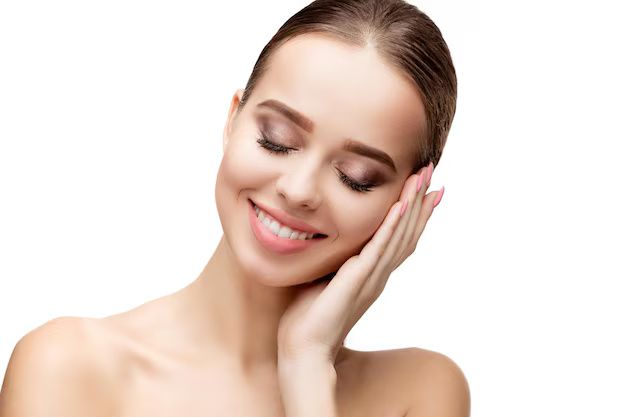
Skin rejuvenation refers to a range of cosmetic and dermatological procedures designed to restore the skin’s youthful appearance, texture, and tone. These treatments aim to reduce visible signs of aging such as wrinkles, fine lines, pigmentation, sun damage, and uneven skin texture.
As individuals age, natural processes like collagen reduction, environmental exposure, and lifestyle factors can affect skin health. Skin rejuvenation techniques have evolved significantly with advancements in dermatology, laser technology, and aesthetic medicine. Today, both non-invasive and minimally invasive procedures are available to improve skin quality and promote natural regeneration.
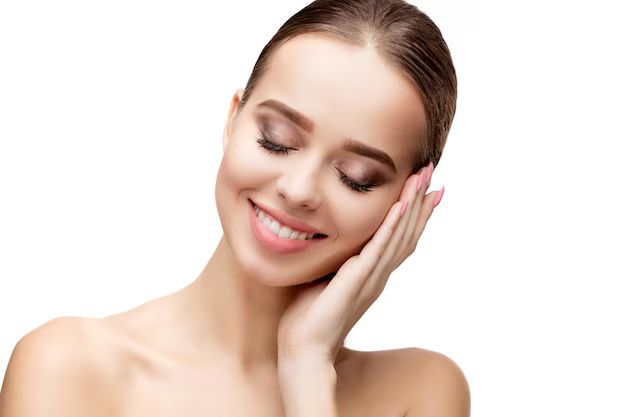
Modern aesthetic solutions focus on enhancing the skin’s natural healing processes while improving overall skin clarity and elasticity.
Importance: Why Skin Rejuvenation Treatments Matter
Skin rejuvenation procedures are increasingly popular due to their ability to address common cosmetic concerns while supporting long-term skin health.
1. Improvement in Skin Texture
Helps smooth rough or uneven skin surfaces.
2. Reduction of Wrinkles and Fine Lines
Stimulates collagen production to improve firmness.
3. Enhanced Skin Tone
Targets pigmentation, sunspots, and discoloration.
4. Boost in Skin Hydration
Improves moisture retention and glow.
5. Confidence and Appearance
Supports positive self-image and aesthetic satisfaction.
Skin rejuvenation is often chosen by individuals seeking preventative skincare as well as those addressing visible signs of aging.
Common Skin Rejuvenation Treatments
Various modern treatments are designed to improve skin appearance through different mechanisms.
1. Laser Skin Resurfacing
Uses concentrated laser energy to remove damaged skin layers and stimulate collagen production.
2. Chemical Peels
Application of chemical solutions to exfoliate and renew the skin surface.
3. Microneedling
Creates micro-injuries in the skin to trigger natural collagen formation.
4. Radiofrequency Skin Tightening
Uses controlled heat energy to improve skin elasticity.
5. Intense Pulsed Light (IPL) Therapy
Targets pigmentation, redness, and sun damage.
6. Dermal Fillers
Injectable treatments that restore facial volume and smooth wrinkles.
7. Hydrafacial Treatments
Combine cleansing, exfoliation, and hydration for improved skin clarity.
Skin Rejuvenation Treatments and Benefits
| Treatment Type | Primary Function | Skin Concern Addressed |
|---|---|---|
| Laser Resurfacing | Skin renewal | Wrinkles, scars |
| Chemical Peel | Exfoliation | Pigmentation, dull skin |
| Microneedling | Collagen stimulation | Fine lines, texture |
| Radiofrequency | Skin tightening | Loose skin |
| IPL Therapy | Pigment correction | Sun damage |
Technologies Used in Modern Aesthetic Treatments
Advanced dermatological technologies support effective skin rejuvenation procedures.
1. Laser Devices
Used for resurfacing and collagen stimulation.
2. Radiofrequency Systems
Deliver controlled heat to deeper skin layers.
3. Ultrasound-Based Technology
Stimulates tissue tightening.
4. Microneedling Devices
Promote skin regeneration.
5. LED Light Therapy
Supports skin healing and reduces inflammation.
Benefits of Skin Rejuvenation Treatments
Modern aesthetic solutions provide multiple advantages.
1. Non-Surgical Options
Many treatments require minimal downtime.
2. Natural-Looking Results
Enhance skin without altering natural facial features.
3. Long-Term Skin Health
Encourages collagen and elastin production.
4. Personalized Treatment Plans
Procedures can be customized for individual skin types.
5. Gradual Improvement
Results develop naturally over time.
Challenges & Considerations
Skin rejuvenation procedures require careful planning and professional guidance.
1. Skin Type Compatibility
Certain treatments may be better suited for specific skin tones.
2. Recovery Time
Some procedures require short healing periods.
3. Professional Consultation
Evaluation by trained professionals helps determine appropriate treatments.
4. Multiple Sessions
Some therapies require a series of treatments for optimal results.
5. Post-Treatment Care
Sun protection and skincare maintenance are essential.
Maintenance & Skincare Best Practices
Maintaining healthy skin after rejuvenation treatments supports long-term results.
1. Daily Sun Protection
Use sunscreen to prevent pigmentation and sun damage.
2. Hydration and Moisturization
Maintain skin moisture levels.
3. Balanced Skincare Routine
Use gentle cleansers and nourishing products.
4. Healthy Lifestyle Habits
Adequate sleep and balanced nutrition benefit skin health.
5. Periodic Skin Assessments
Regular evaluations help maintain skin quality.
Frequently Asked Questions
What is skin rejuvenation?
Skin rejuvenation includes treatments designed to improve skin texture, tone, and overall appearance.
Are skin rejuvenation procedures safe?
When performed by qualified professionals, many treatments are considered safe and widely practiced.
How long do results last?
Results vary depending on the treatment type and individual skin condition.
Is there downtime after treatment?
Some procedures require minimal downtime, while others may involve short recovery periods.
Can skin rejuvenation be combined with other treatments?
Yes, combination therapies are often used to address multiple skin concerns.
Conclusion
Skin rejuvenation treatments combine modern technology and dermatological expertise to improve skin health and appearance. From laser resurfacing to microneedling and radiofrequency therapy, these procedures aim to restore youthful skin texture, reduce visible aging signs, and support natural regeneration.
As aesthetic medicine continues to advance, skin rejuvenation solutions offer individuals safe and customizable options for maintaining healthy, radiant skin.