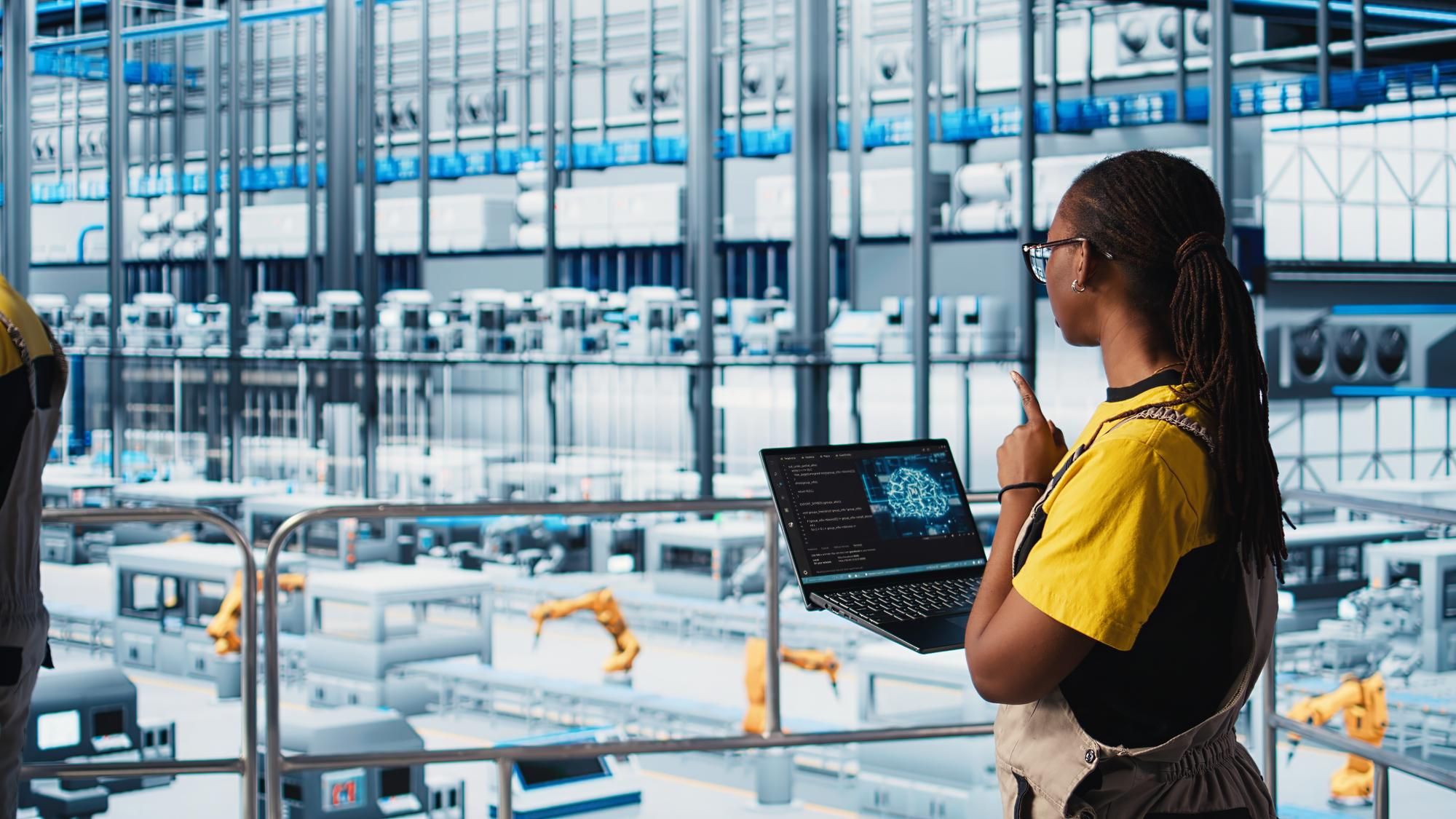
Smart factory maintenance refers to the methods used to monitor, manage, and repair machines in modern, digitally connected manufacturing environments. These factories rely on technologies such as sensors, data analytics, and artificial intelligence to track equipment performance in real time. Over time, this approach has evolved from basic automation to more advanced systems like predictive maintenance smart factory models.
Traditionally, industrial maintenance followed fixed schedules or responded to breakdowns after they occurred. This often led to unexpected downtime or unnecessary maintenance work. With the growth of industrial automation maintenance, factories began integrating machines with digital systems that collect and analyze operational data.
Today, AI predictive maintenance and industrial predictive maintenance represent a shift toward anticipating problems before they happen. By using data patterns and algorithms, these systems help identify early signs of equipment wear or malfunction. This transition reflects broader changes in manufacturing, where efficiency, reliability, and data-driven decisions are becoming central priorities.
Importance
Smart factory maintenance matters because it directly affects how efficiently goods are produced and how reliably systems operate. For manufacturers, equipment downtime can disrupt production schedules, reduce output, and increase operational complexity. By improving maintenance practices, factories can maintain more consistent operations.
This topic also affects workers and supply chains. When machines operate smoothly, production timelines become more predictable, which helps businesses meet demand without delays. Industrial predictive maintenance contributes to safer workplaces by detecting issues before they escalate into hazards.
Several real-world challenges are addressed through these systems:
- Unexpected breakdowns: Predictive models help detect faults early, reducing sudden equipment failure.
- Inefficient maintenance schedules: Instead of fixed intervals, maintenance can be performed only when needed.
- Resource allocation: Maintenance teams can prioritize tasks based on data insights rather than assumptions.
- Equipment lifespan: Early detection of wear can extend the usability of machinery.
For everyday consumers, the impact is indirect but significant. Reliable manufacturing processes can lead to stable product availability and fewer disruptions in supply chains.
Recent Updates
Between 2024 and 2026, smart factory maintenance has continued to evolve with advancements in artificial intelligence, connectivity, and data processing. One major trend is the increased use of machine learning models that adapt over time. These models improve their predictions as more data becomes available, making AI predictive maintenance more accurate.
Another development is the integration of edge computing. Instead of sending all data to centralized systems, some processing now happens directly on machines or local devices. This reduces delays and allows faster responses to potential issues.
Digital twins have also gained attention. A digital twin is a virtual model of a physical machine or system. It allows engineers to simulate different conditions and predict how equipment will behave under stress. This supports industrial predictive maintenance by providing deeper insights into machine performance.
Cloud-based platforms are becoming more common as well. These platforms store and analyze large volumes of data from multiple factories, enabling centralized monitoring. At the same time, cybersecurity measures are receiving more focus, as connected systems introduce new risks.
Another notable trend is the growing accessibility of these technologies. Smaller manufacturing units are beginning to adopt industrial automation maintenance systems, supported by simplified tools and modular solutions.
Laws or Policies
Smart factory maintenance is influenced by various regulations related to safety, data protection, and industrial standards. In India, manufacturing operations must comply with workplace safety regulations under laws such as the Factories Act. These rules require proper maintenance of machinery to ensure worker safety.
With the rise of connected systems, data protection has become increasingly relevant. The Digital Personal Data Protection framework in India outlines how data should be collected, stored, and processed. While industrial data is not always personal, systems that involve employee information must follow these guidelines.
Environmental regulations also play a role. Maintenance practices that reduce waste or improve energy efficiency align with sustainability goals set by government policies. For example, monitoring equipment performance can help reduce energy consumption and emissions.
International standards, such as ISO guidelines for asset management and maintenance, are often adopted by industries operating globally. These standards provide structured approaches to industrial predictive maintenance and help ensure consistency across operations.
Overall, regulations encourage safer, more efficient, and responsible use of technology in manufacturing environments.
Tools and Resources
A range of tools and platforms support smart factory maintenance by enabling data collection, analysis, and decision-making. These tools vary in complexity, from basic monitoring systems to advanced AI-driven platforms.
Common categories include:
- Sensor systems: Devices that measure temperature, vibration, pressure, and other parameters. These sensors form the foundation of predictive maintenance smart factory setups.
- Data analytics platforms: Software that processes large datasets to identify patterns and anomalies. These platforms support industrial predictive maintenance by turning raw data into actionable insights.
- Maintenance management systems: Digital systems that track maintenance schedules, work orders, and equipment history.
- Digital twin platforms: Tools that create virtual replicas of machines for simulation and testing.
- Edge computing devices: Hardware that processes data locally, enabling faster responses.
Below is a simple comparison of maintenance approaches:
| Maintenance Type | Approach Description | Data Usage Level | Response Timing |
|---|---|---|---|
| Reactive Maintenance | Repairs after failure occurs | Low | After breakdown |
| Preventive Maintenance | Scheduled maintenance at fixed intervals | Moderate | Before expected issues |
| Predictive Maintenance | Data-driven predictions of potential failures | High | Before actual failure |
| Prescriptive Maintenance | Suggests actions based on predictive insights | Very High | Optimized timing |
Online platforms and educational resources also help professionals understand these systems. Many industrial technology providers publish guides, case studies, and documentation that explain how smart factory maintenance works in practice.
FAQs
What is smart factory maintenance?
Smart factory maintenance refers to the use of connected technologies, sensors, and data analysis to monitor and maintain industrial equipment. It focuses on improving efficiency by predicting issues and reducing unplanned downtime.
How does predictive maintenance smart factory systems work?
Predictive maintenance smart factory systems collect data from machines using sensors. This data is analyzed using algorithms to detect patterns that indicate potential failures. Maintenance is then performed before the issue becomes critical.
What is the role of AI predictive maintenance?
AI predictive maintenance uses artificial intelligence models to analyze complex datasets. These models can identify subtle patterns and improve over time, making predictions more accurate and helping maintenance teams act earlier.
How is industrial predictive maintenance different from traditional methods?
Industrial predictive maintenance relies on real-time data and analytics, while traditional methods often depend on fixed schedules or manual inspections. This allows for more precise and timely maintenance actions.
Why is industrial automation maintenance important?
Industrial automation maintenance ensures that automated systems function correctly and efficiently. As factories rely more on automation, maintaining these systems becomes essential for consistent production and safety.
Conclusion
Smart factory maintenance represents a shift from reactive and scheduled approaches to data-driven decision-making. By combining sensors, analytics, and artificial intelligence, modern factories can monitor equipment more effectively and respond to issues earlier. Developments in AI predictive maintenance and industrial predictive maintenance continue to refine how machines are managed. These systems contribute to more stable operations, improved safety, and better resource use. As technology evolves, smart maintenance practices are becoming a standard part of industrial environments.