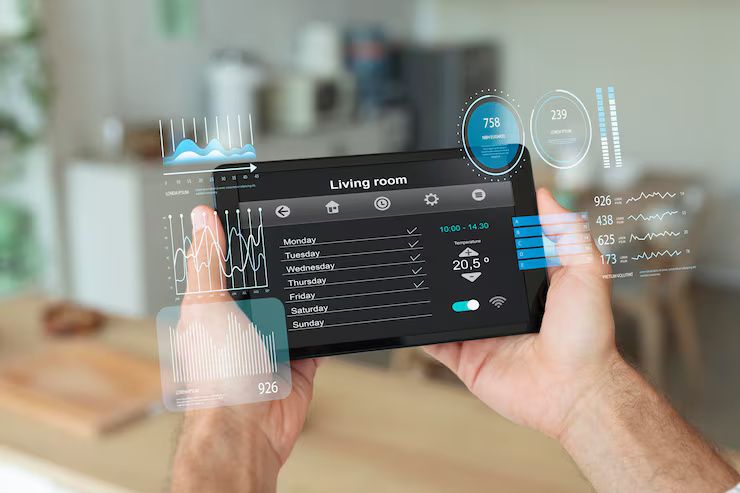
Smart sensors are advanced sensing devices designed to collect data from their surroundings and process it locally before sending it to other systems. Unlike traditional sensors that only detect physical changes such as temperature or pressure, smart sensors combine sensing elements with embedded processors, communication modules, and software logic.
These devices exist to support accurate data collection in complex environments where real-time monitoring and automated responses are needed. As industries and cities rely more on connected systems, smart sensors help translate physical conditions into digital information that machines and software platforms can understand and act upon.
At their core, smart sensors are a key building block of connected technologies, supporting automation, monitoring, and data-driven decision-making across multiple sectors.
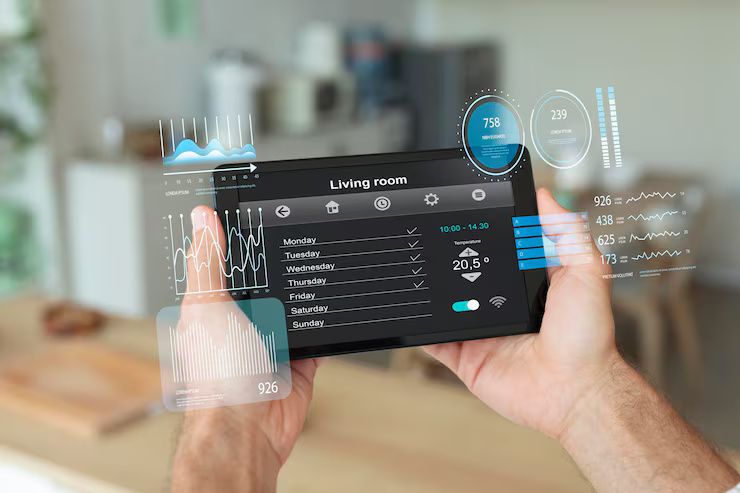
Importance: Why Smart Sensors Matter Today
Smart sensors play a growing role in modern infrastructure, industrial systems, and everyday devices. Their importance has increased as organizations aim to improve efficiency, safety, and data accuracy.
Key reasons smart sensors matter today include:
-
Real-time data collection for faster insights and responses
-
Reduced manual intervention through automated measurement and reporting
-
Improved accuracy by filtering and validating data at the source
-
Scalability for large sensor networks in industrial and urban environments
They affect a wide range of stakeholders, including manufacturers, healthcare providers, energy operators, transport planners, and technology developers. Smart sensors help address challenges such as equipment failure detection, environmental monitoring, energy optimization, and predictive maintenance.
By enabling systems to react to real-world conditions, smart sensors support more reliable and adaptive operations.
Recent Updates: Trends and Developments in the Past Year
Over the past year, smart sensor technology has continued to evolve alongside broader digital transformation trends. Several developments have gained attention during 2024–2025.
One notable trend is the increased integration of artificial intelligence at the sensor level. Edge processing capabilities now allow sensors to analyze patterns locally, reducing the need for constant data transmission and lowering latency.
Another update is the wider adoption of low-power wireless communication standards. Protocols designed for long-range and low-energy use are enabling smart sensors to operate for extended periods in remote or hard-to-access locations.
In mid-2024, global standards organizations released updated guidelines focusing on sensor interoperability and cybersecurity. These updates aim to improve compatibility between devices from different manufacturers while addressing data protection concerns.
There has also been increased use of smart sensors in environmental and climate monitoring projects during 2025, supporting data collection for air quality, water management, and weather analysis initiatives.
Laws or Policies: Regulatory and Policy Considerations
Smart sensors are influenced by a range of regulations and policies, particularly those related to data protection, safety, and technical standards. In many countries, their use is shaped by digital governance frameworks rather than sensor-specific laws.
Data collected by smart sensors may fall under privacy regulations such as the General Data Protection Regulation (GDPR) in the European Union when personal or location-linked information is involved. These rules emphasize transparency, data minimization, and secure handling.
In industrial and infrastructure contexts, smart sensors often follow technical standards developed by organizations like the International Organization for Standardization (ISO) and the International Electrotechnical Commission (IEC). These standards help ensure reliability, safety, and interoperability.
Government-led digital infrastructure and smart city programs in countries such as India, the United States, and members of the European Union also influence how smart sensors are deployed, particularly in public systems like transportation and utilities.
Tools and Resources: Helpful Platforms and References
A variety of tools and resources support the understanding, deployment, and management of smart sensors. These resources focus on design, data handling, and system integration.
Commonly used tools and references include:
-
Sensor simulation software for testing sensor behavior in virtual environments
-
Embedded development platforms for programming and configuring sensor logic
-
Cloud-based dashboards for visualizing sensor data and performance metrics
-
Data analytics frameworks for interpreting sensor-generated datasets
-
Technical documentation libraries from standards bodies and research institutions
The table below outlines examples of smart sensor tools and their typical purpose:
| Tool Category | Primary Purpose | Typical Use Case |
|---|---|---|
| Simulation Platforms | Model sensor behavior | Design validation |
| Embedded SDKs | Configure sensor firmware | Device setup |
| Monitoring Dashboards | Track real-time data | System oversight |
| Analytics Tools | Identify trends and anomalies | Decision support |
These tools help ensure that smart sensor systems operate reliably and remain aligned with technical standards.
FAQs: Common Questions About Smart Sensors
What makes a sensor “smart”?
A smart sensor includes processing and communication capabilities in addition to the sensing element. This allows it to analyze data locally and interact with other systems.
Where are smart sensors commonly used?
They are used in manufacturing, healthcare monitoring, environmental tracking, transportation systems, and smart buildings.
How do smart sensors handle data accuracy?
Many smart sensors apply filtering, calibration, and validation techniques before transmitting data, reducing errors at the source.
Do smart sensors require constant connectivity?
Not always. Some smart sensors store and process data locally and transmit information only at set intervals or when specific conditions occur.
Are smart sensors affected by cybersecurity concerns?
Yes. Because they connect to networks, smart sensors must follow secure communication and data protection practices to reduce risks.
Conclusion
Smart sensors represent an important evolution in sensing technology, combining measurement, processing, and communication in a single device. Their ability to deliver accurate, real-time insights supports a wide range of applications, from industrial automation to environmental monitoring.
Recent developments in edge processing, wireless communication, and standardization continue to shape how smart sensors are designed and deployed. At the same time, regulatory frameworks related to data protection and technical standards guide their responsible use.
As connected systems expand across industries and public infrastructure, smart sensors remain a foundational component for reliable data collection and informed decision-making in modern digital environments.