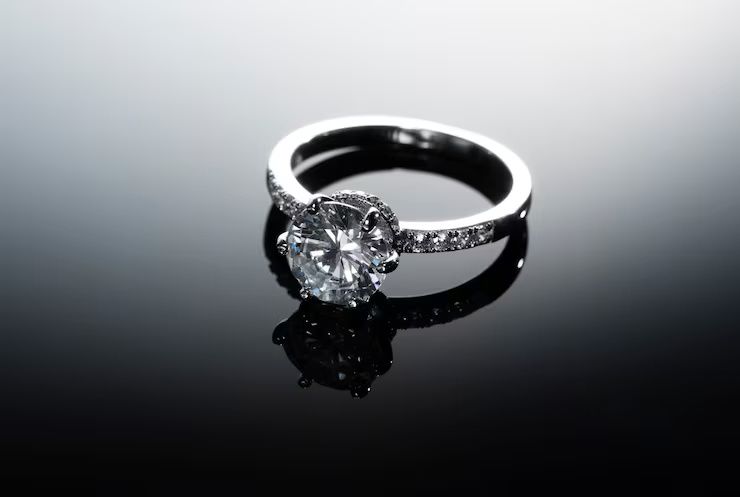
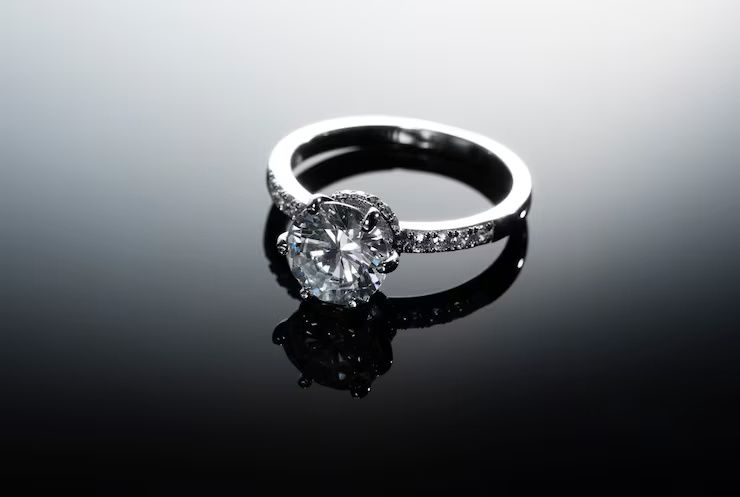
Solitaire rings are jewelry designs defined by a single prominent gemstone set on a band. The concept exists to highlight the natural beauty, symmetry, and brilliance of one stone without visual distraction from additional gems. This design approach has been used for centuries, evolving alongside advances in gemstone cutting, metalworking, and setting techniques.
Historically, solitaire rings gained recognition as symbols of simplicity and focus. Their clean design allowed craftsmanship and material quality to take center stage. Over time, solitaire settings became closely associated with milestone moments and formal jewelry traditions, especially in fine jewelry categories. Today, solitaire rings remain widely recognized for their timeless appearance and structural clarity.
Importance: Why Solitaire Ring Knowledge Matters Today
Understanding solitaire rings matters because these designs are often evaluated based on subtle details rather than ornamentation. Small differences in setting style, gemstone cut, or metal choice can significantly influence appearance, durability, and long-term wear. This topic is relevant to jewelry designers, gemology students, collectors, and individuals seeking informed knowledge about classic jewelry forms.
Key reasons solitaire ring knowledge remains important include:
-
Continued global interest in minimal and classic jewelry designs
-
Increased awareness of gemstone grading and authenticity
-
Greater focus on durability and daily-wear suitability
-
Growing educational interest in jewelry design fundamentals
Solitaire rings help solve design challenges by balancing visual elegance with structural simplicity. Their single-stone focus reduces complexity while emphasizing proportion, alignment, and craftsmanship quality.
Key Features of Classic Solitaire Ring Designs
Classic solitaire rings are defined by a combination of setting, gemstone characteristics, and band structure. Each feature contributes to the ring’s overall appearance and function.
Core design features include:
-
Single gemstone focus that draws attention to cut and clarity
-
Symmetrical settings that enhance balance and proportion
-
Minimal band detailing to maintain visual simplicity
-
Secure stone placement for long-term stability
Common solitaire setting styles:
-
Prong setting allows maximum light exposure
-
Bezel setting surrounds the gemstone for protection
-
Cathedral setting elevates the stone with arched supports
-
Tension-style appearance creates a modern visual effect
Table: Solitaire Setting Styles and Visual Characteristics
| Setting Style | Visual Effect | Practical Consideration |
|---|---|---|
| Prong | Bright and open | Emphasizes brilliance |
| Bezel | Clean and modern | Protects stone edges |
| Cathedral | Elevated and classic | Enhances prominence |
| Flush | Subtle and low-profile | Suitable for daily wear |
These features define why solitaire rings maintain a consistent presence across different eras and jewelry traditions.
Gemstone Cuts and Their Role in Solitaire Rings
The gemstone cut is one of the most critical elements in solitaire ring design. Because only one stone is present, its proportions and symmetry directly influence the ring’s visual appeal.
Common gemstone cuts used in solitaire rings include:
-
Round brilliant for maximum light reflection
-
Princess cut for sharp, geometric appearance
-
Oval cut for elongated visual balance
-
Cushion cut for softer, vintage-inspired aesthetics
-
Emerald cut for step-like facets and clarity emphasis
Graph Representation: Visual Impact by Cut Style
| Cut Type | Brilliance Emphasis | Shape Appearance |
|---|---|---|
| Round | Very High | Symmetrical |
| Princess | High | Angular |
| Oval | High | Elongated |
| Cushion | Moderate | Rounded |
| Emerald | Low | Rectangular |
Cut selection influences how light interacts with the gemstone and how the ring appears on the hand.
Band Materials and Structural Design
Band material plays a significant role in the durability and comfort of solitaire rings. Classic designs typically rely on metals that offer both strength and refined appearance.
Common band materials include:
-
Yellow gold for traditional warmth
-
White gold for a neutral, modern tone
-
Platinum for strength and density
-
Rose gold for subtle color contrast
Band width and profile also affect usability. Thinner bands emphasize delicacy, while wider bands provide structural support. Rounded inner profiles are often used to enhance comfort during extended wear.
Recent Updates: Trends and Developments in the Past Year
During 2024 and early 2025, solitaire ring design trends reflected broader movements toward transparency and craftsmanship appreciation. Educational interest in gemstone grading increased, with updated grading guidelines published by international gemological institutions in mid-2024. These updates clarified cut quality assessment and symmetry evaluation, directly impacting how solitaire gemstones are understood.
Another notable trend involved renewed attention to classic settings with subtle structural refinements. In late 2024, design publications highlighted reinforced prong structures and refined bezel edges to improve long-term durability while preserving traditional aesthetics.
There was also increased discussion around traceability and documentation of gemstones. While not altering the appearance of solitaire rings, these developments influenced how classic designs are evaluated and documented within the jewelry industry.
Laws and Policies Affecting Solitaire Rings
Solitaire rings are influenced by jewelry hallmarking rules, gemstone disclosure regulations, and consumer protection guidelines. In many countries, precious metal jewelry must meet official purity standards and display recognized hallmarks.
Regulatory aspects commonly include:
-
Mandatory metal fineness marking for gold and platinum
-
Disclosure requirements for treated or synthetic gemstones
-
Import and export documentation for precious materials
Government and industry-backed hallmarking programs aim to ensure accuracy in metal composition and gemstone description. These policies support transparency and help maintain trust in classic jewelry designs without altering their visual form.
Tools and Resources for Understanding Solitaire Rings
Several educational tools and references help explain solitaire ring features and construction. These resources focus on learning and verification rather than promotion.
Helpful tools and resources include:
-
Gemstone cut and proportion charts
-
Ring size measurement guides
-
Metal purity reference tables
-
Jewelry design textbooks and digital libraries
-
Hallmark identification charts
Table: Example Metal Purity Reference
| Metal Type | Purity Indicator | General Use |
|---|---|---|
| Gold | 14K, 18K | Fine jewelry |
| Platinum | 950 | High-strength bands |
| Silver | 925 | Decorative jewelry |
These resources support informed understanding of classic solitaire designs.
FAQs: Common Questions About Solitaire Rings
What defines a solitaire ring?
A solitaire ring features a single main gemstone without additional accent stones, emphasizing simplicity and focus.
Why are prong settings common in solitaire rings?
Prong settings allow more light to reach the gemstone, enhancing brilliance and visual clarity.
Does gemstone cut matter more in solitaire designs?
Yes. With only one stone present, cut quality strongly affects appearance and light performance.
Are solitaire rings suitable for regular wear?
Many classic designs are suitable for regular wear when settings and materials are chosen appropriately.
What makes a solitaire ring a classic design?
Balanced proportions, minimal decoration, and timeless setting styles contribute to classic status.
Conclusion
Solitaire rings represent a design philosophy centered on simplicity, balance, and craftsmanship. By focusing on a single gemstone, these rings highlight essential features such as cut, setting, and material quality. Recent updates emphasize improved grading clarity, refined structural design, and greater documentation standards, while regulations ensure transparency and accuracy in materials.
A clear understanding of solitaire ring knowledge helps appreciate why these designs remain relevant across generations. Their classic features continue to offer visual clarity, structural reliability, and enduring appeal within the broader world of fine jewelry.