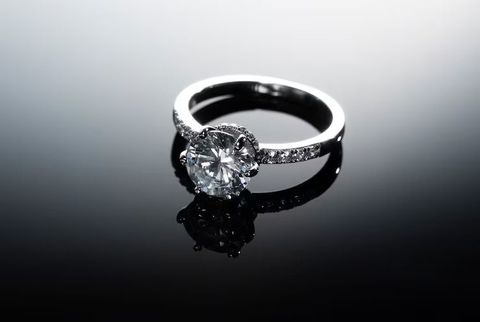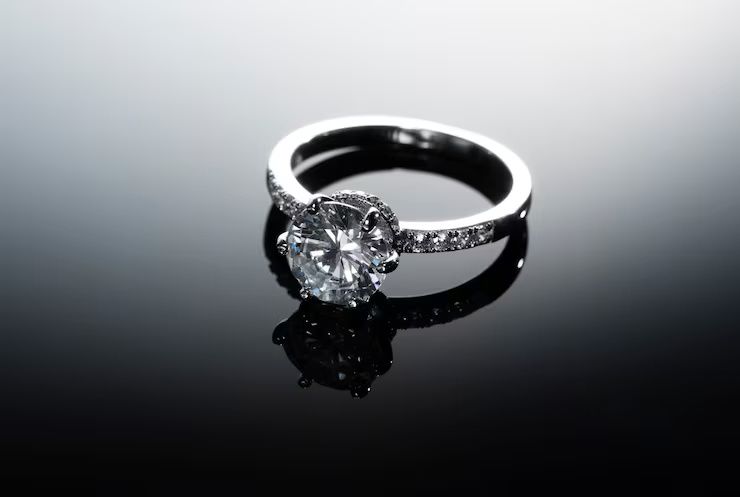
Solitaire rings are jewelry designs defined by a single prominent gemstone set on a band. The concept exists to highlight the natural beauty, symmetry, and brilliance of one stone without visual distraction from additional gems. This design approach has been used for centuries, evolving alongside advances in gemstone cutting, metalworking, and setting techniques.
Solitaire rings gained recognition as symbols of simplicity and focus in jewelry design. Their clean structure allows craftsmanship and material quality to stand out without distraction.
Over time, solitaire settings became associated with milestone occasions and formal traditions. Today, they remain widely recognized for their timeless design and clarity.
Importance: Why Solitaire Ring Knowledge Matters Today
Understanding solitaire rings is important because their value lies in subtle design details rather than decorative complexity. Small variations in setting, gemstone cut, or material can significantly affect appearance and durability.
Key Reasons for Relevance
- Continued interest in minimal and classic jewelry
- Growing awareness of gemstone grading
- Focus on durability for daily wear
- Educational interest in jewelry design fundamentals
Solitaire rings balance elegance with structural simplicity, making them a key study area in jewelry design.
Key Features of Classic Solitaire Ring Designs
Classic solitaire rings are defined by their simplicity and precise construction. Each design element contributes to both appearance and functionality.
Core Design Features
- Single gemstone as the focal point
- Symmetrical settings for balance
- Minimal band detailing
- Secure stone placement
Common Setting Styles
- Prong setting for maximum light exposure
- Bezel setting for added protection
- Cathedral setting for elevated appearance
- Flush setting for a low-profile design
Solitaire Setting Styles and Characteristics
| Setting Style | Visual Effect | Practical Consideration |
|---|---|---|
| Prong | Bright and open | Enhances brilliance |
| Bezel | Clean and modern | Protects edges |
| Cathedral | Elevated and classic | Highlights gemstone |
| Flush | Subtle and compact | Suitable for daily wear |
These features explain why solitaire rings remain consistent across design traditions.
Gemstone Cuts and Their Role
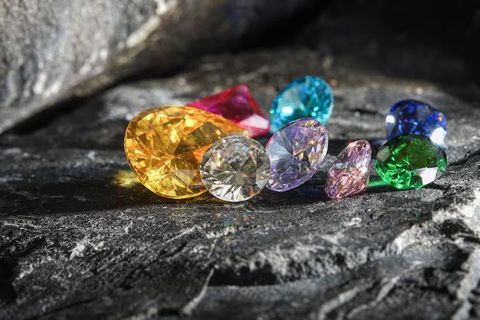
In solitaire rings, the gemstone cut plays a central role because there is only one stone. Its shape and proportions directly affect visual appeal.
Common Gemstone Cuts
- Round brilliant for maximum sparkle
- Princess cut for geometric precision
- Oval cut for elongated appearance
- Cushion cut for softer edges
- Emerald cut for clarity emphasis
Visual Impact by Cut Style
| Cut Type | Brilliance Emphasis | Shape Appearance |
|---|---|---|
| Round | Very High | Symmetrical |
| Princess | High | Angular |
| Oval | High | Elongated |
| Cushion | Moderate | Rounded |
| Emerald | Lower | Rectangular |
The choice of cut determines how light interacts with the gemstone.
Band Materials and Structural Design
The band material influences both durability and comfort. Classic solitaire rings use metals that balance strength with aesthetic appeal.
Common Band Materials
- Yellow gold for traditional appearance
- White gold for modern tone
- Platinum for strength and density
- Rose gold for subtle color variation
Band width and shape also affect wearability. Thinner bands emphasize delicacy, while thicker bands provide additional support.
Recent Updates: Trends and Developments
Solitaire ring designs continue to evolve with improvements in craftsmanship and evaluation methods.
Key Trends
- Increased focus on gemstone grading clarity
- Refinement of prong and bezel structures
- Greater emphasis on durability
- Growth in gemstone traceability and documentation
These updates enhance both design understanding and long-term reliability.
Laws and Policies Affecting Solitaire Rings
Solitaire rings are influenced by regulations related to materials and gemstone transparency.
Key Regulatory Areas
- Hallmarking for metal purity
- Disclosure of treated or synthetic stones
- Import and export documentation
These policies ensure transparency and protect consumer trust in jewelry design.
Tools and Resources for Understanding Solitaire Rings
Various tools help individuals study and evaluate solitaire ring designs.
Helpful Resources
- Gemstone cut charts
- Ring size guides
- Metal purity reference tables
- Jewelry design books
- Hallmark identification charts
Metal Purity Reference
| Metal Type | Purity Indicator | General Use |
|---|---|---|
| Gold | 14K, 18K | Fine jewelry |
| Platinum | 950 | High-strength bands |
| Silver | 925 | Decorative jewelry |
These resources support accurate understanding of materials and design features.
FAQs: Common Questions About Solitaire Rings
What defines a solitaire ring?
A solitaire ring features a single gemstone without additional accent stones.
Why are prong settings common?
They allow more light to reach the gemstone, enhancing brilliance.
Does gemstone cut matter more in solitaire designs?
Yes, because the single stone determines the entire visual impact.
Are solitaire rings suitable for daily wear?
Yes, when designed with durable materials and secure settings.
What makes a solitaire ring classic?
Balanced proportions, minimal decoration, and timeless settings define its classic appeal.
Conclusion
Solitaire rings represent a design philosophy centered on simplicity, balance, and craftsmanship. By focusing on a single gemstone, they highlight essential elements such as cut, setting, and material quality.
Recent developments emphasize improved grading, refined structures, and better documentation standards. At the same time, regulations ensure transparency and material accuracy.
Understanding solitaire rings helps explain their enduring appeal and continued relevance in fine jewelry design.