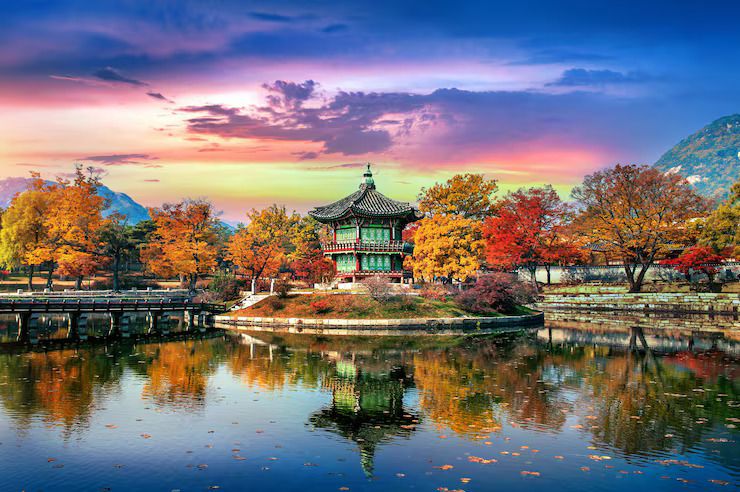
South Korea is a dynamic country in East Asia known for its advanced technology, historical landmarks, and vibrant cultural influence. A South Korea tour typically includes visits to major cities, heritage sites, natural landscapes, and cultural districts.
South Korea combines ancient traditions with modern innovation, making it a popular travel destination. Visitors explore royal palaces in Seoul, coastal attractions in Busan, and volcanic landscapes on Jeju Island.
Tourism interest has grown due to global exposure to Korean culture, including K-pop, cuisine, and technology. A well-structured travel guide helps visitors navigate both historical and modern experiences.
Popular Destinations
Key locations in South Korea include:
- Seoul
- Busan
- Jeju Island
- Gyeongbokgung Palace
- Bukchon Hanok Village
- N Seoul Tower
Importance of South Korea Tourism
Tourism plays a major role in cultural exchange and economic development.
Why It Matters Today
- Growing global interest in East Asia travel
- Influence of Korean entertainment and culture
- Demand for structured travel information
- Educational and cultural tourism programs
Practical Travel Benefits
A travel guide helps visitors understand:
- Public transportation systems
- Suitable attractions for different interests
- Seasonal weather conditions
- Entry and visa requirements
Popular Attractions Overview
Seoul Attractions
Seoul offers a mix of traditional and modern experiences:
- Gyeongbokgung Palace – Historic royal palace
- Bukchon Hanok Village – Traditional Korean houses
- N Seoul Tower – Panoramic city views
- Myeongdong – Shopping and street food district
Busan Tourism
Busan is known for coastal and cultural attractions:
- Haeundae Beach
- Jagalchi Fish Market
- Haedong Yonggungsa Temple
Jeju Island Travel
Jeju Island features natural landscapes:
- Hallasan Mountain
- Lava tube caves
- Coastal cliffs and waterfalls
DMZ Tour Korea
The Korean Demilitarized Zone offers guided tours focused on history and geopolitics.
Travel Seasons Comparison
| Season | Weather | Popular Activities | Travel Considerations |
|---|---|---|---|
| Spring (Mar–May) | Mild | Cherry blossoms | Peak tourism |
| Summer (Jun–Aug) | Warm, humid | Beaches, festivals | Rain possible |
| Autumn (Sep–Nov) | Cool | Foliage viewing | Comfortable climate |
| Winter (Dec–Feb) | Cold | Ski resorts | Snow conditions |
Spring and autumn are often preferred due to comfortable weather and scenic beauty.
Recent Updates (2025–2026)
Recent developments have improved travel experiences in South Korea.
Digital Visa Systems
Expanded online visa applications simplify entry procedures for many travelers.
Smart Tourism Technology
AI-based travel assistance and digital services have been introduced in airports and tourist hubs.
K-Culture Tourism Growth
Programs related to entertainment and cultural experiences have increased visitor engagement.
Eco-Tourism Initiatives
Sustainability efforts focus on preserving natural areas, especially on Jeju Island.
Transportation Improvements
Enhanced high-speed rail connections improve travel between major cities like Seoul and Busan.
Laws and Policies
Travel to South Korea is governed by immigration and cultural regulations.
Visa Requirements
- Some nationalities qualify for visa-free entry
- Others require advance visa applications
- Electronic travel authorization may apply
Customs Regulations
Travelers must follow rules regarding:
- Currency declaration
- Restricted items
- Drone usage guidelines
Cultural Preservation Laws
Visitors must respect rules at heritage sites, including restricted areas and photography guidelines.
Tools and Resources
Various tools help travelers plan their trip effectively.
Navigation Tools
- KakaoMap for local navigation
- Naver Map for directions and translation
Transportation Resources
- High-speed rail (KTX) schedules
- Public transit systems in major cities
Tourism Information
- Official tourism websites
- Event listings and travel guides
Language and Payment Tools
- Translation apps
- Digital transit cards
- Cashless payment systems
Practical Travel Considerations
- Public transportation is efficient and widely used
- English signage is available in major cities
- Cashless payments are common
- Weather varies significantly by season
FAQs
Is South Korea safe for tourists?
Yes, it is generally considered safe with well-developed infrastructure.
Do travelers need a visa?
Visa requirements depend on nationality and length of stay.
What is the best time to visit?
Spring and autumn are popular due to mild weather.
Can tourists visit the DMZ?
Yes, guided tours are available under security regulations.
Is public transport easy to use?
Yes, major cities have extensive and efficient transport systems.
Conclusion
A South Korea tour offers a blend of cultural heritage, natural beauty, and modern urban experiences. Cities like Seoul and Busan, along with destinations like Jeju Island, provide diverse attractions.
Recent improvements in digital services, transportation, and sustainable tourism reflect the country’s evolving travel landscape. Regulations ensure safe and responsible tourism practices.
By understanding travel logistics, seasonal conditions, and cultural guidelines, visitors can plan a well-informed and enjoyable journey. South Korea continues to attract global travelers seeking a balance of tradition and innovation.