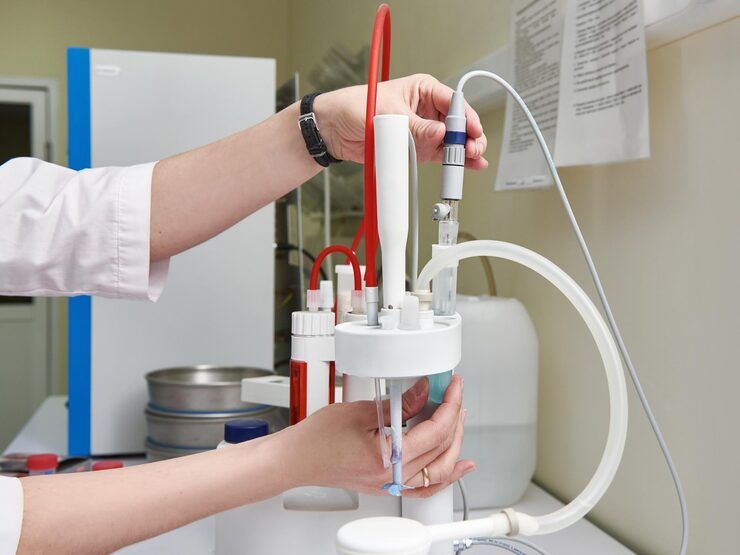
The Soxhlet extraction system is a laboratory technique used to extract compounds from solid materials using a solvent. It is commonly applied in chemistry, food science, environmental studies, and pharmaceutical research to isolate specific substances from complex samples.
This method was developed in the nineteenth century by Franz von Soxhlet, a German chemist, to improve fat extraction from food samples. Before its introduction, extraction methods were often inefficient and required repeated manual processing. The Soxhlet system provided a continuous extraction approach, allowing the solvent to cycle through the sample multiple times without constant supervision.
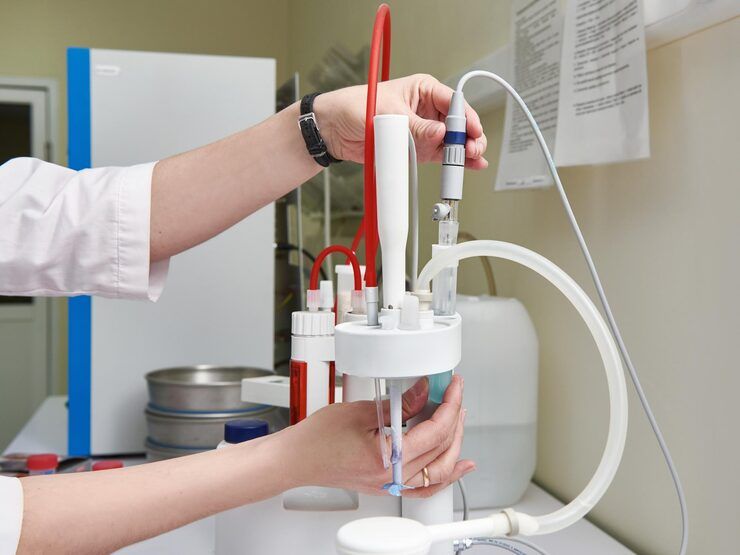
Today, the Soxhlet extraction system remains widely used in laboratories because of its reliability and ability to extract compounds thoroughly. It is especially useful when the desired compound has limited solubility in a solvent and when impurities are not soluble in that solvent.
The system typically consists of three main components: a boiling flask, an extraction chamber, and a condenser. These parts work together to enable repeated solvent circulation, which improves extraction efficiency over time.
Importance
The Soxhlet extraction system plays an important role in laboratory analysis and research. It provides a standardized way to extract compounds from solid samples, ensuring consistent and reproducible results.
One of its main advantages is the ability to perform continuous extraction without needing to replace the solvent manually. This makes it useful for analyzing samples that require extended extraction periods.
The importance of the Soxhlet extraction system can be seen in several applications:
- Food analysis: Used to determine fat content in products such as dairy, oils, and processed foods.
- Pharmaceutical research: Helps isolate active compounds from plant materials and raw substances.
- Environmental testing: Extracts pollutants and contaminants from soil and sediment samples.
- Chemical research: Supports the study of organic compounds and material composition.
- Agricultural studies: Assists in analyzing plant components and nutrient content.
Because of its structured process, the Soxhlet method is often used in laboratories where accuracy and repeatability are important.
Recent Updates
Although the basic design of the Soxhlet extraction system has remained consistent, recent developments focus on improving efficiency, safety, and environmental impact.
Reduced Solvent Usage
Newer adaptations aim to reduce the amount of solvent required during extraction. Modified systems and improved design features help optimize solvent recycling within the apparatus.
Automation and Digital Monitoring
Some laboratories now use automated Soxhlet systems equipped with digital controls. These systems allow users to set extraction time, temperature, and cycle frequency, reducing manual intervention.
Alternative Extraction Techniques
While Soxhlet extraction remains widely used, alternative methods such as microwave-assisted extraction and supercritical fluid extraction are gaining attention. These techniques may reduce extraction time and energy usage in certain applications.
Improved Safety Features
Modern laboratory setups often include safety enhancements such as temperature sensors and automatic shut-off mechanisms. These features help reduce risks associated with prolonged heating and solvent evaporation.
Focus on Green Chemistry
There is increasing interest in environmentally responsible laboratory practices. Researchers are exploring solvents and methods that minimize environmental impact while maintaining extraction efficiency.
These trends show how traditional laboratory techniques continue to evolve alongside modern scientific practices.
Laws or Policies
The use of Soxhlet extraction systems is influenced by laboratory safety regulations and chemical handling guidelines. These frameworks ensure that experiments are conducted safely and responsibly.
Laboratory Safety Standards
Laboratories must follow general safety protocols when using extraction systems. These include proper ventilation, use of protective equipment, and safe handling of heated equipment.
Chemical Handling Regulations
Solvents used in Soxhlet extraction may be flammable or hazardous. Regulations often require proper storage, labeling, and disposal of chemicals to reduce risks to personnel and the environment.
Environmental Guidelines
Waste management rules govern how used solvents and extracted materials are disposed of. Laboratories are expected to follow procedures that prevent contamination of air, water, and soil.
Institutional Policies
Universities, research institutions, and industrial laboratories typically have internal guidelines for equipment usage and safety compliance. These policies help maintain consistent laboratory practices.
Adherence to these regulations ensures safe operation of Soxhlet extraction systems and responsible management of chemical substances.
Tools and Resources
Several tools and resources support the use and understanding of the Soxhlet extraction system in laboratory settings. These resources help improve accuracy, efficiency, and safety during extraction processes.
Common tools and resources include:
- Heating mantles: Provide controlled heat to the boiling flask.
- Condensers: Facilitate cooling and condensation of solvent vapors.
- Extraction thimbles: Hold the solid sample while allowing solvent flow.
- Temperature controllers: Help maintain stable heating conditions.
- Laboratory manuals and protocols: Provide standardized procedures for extraction processes.
Soxhlet Extraction Process Steps
The Soxhlet extraction process follows a repeated cycle that ensures thorough extraction of compounds. The table below outlines the typical stages.
| Step | Description | Purpose |
|---|---|---|
| Sample Preparation | Solid sample is dried and placed in a thimble | Ensures proper solvent contact |
| Heating | Solvent in the flask is heated to evaporation | Produces solvent vapor |
| Condensation | Vapor rises and cools in the condenser | Converts vapor back to liquid |
| Extraction Cycle | Solvent fills the chamber and extracts compounds | Dissolves target substances |
| Siphoning | Extracted solution returns to the flask | Repeats extraction cycle |
| Completion | Process continues until extraction is sufficient | Finalizes compound separation |
This cyclic process allows the solvent to repeatedly interact with the sample, improving extraction efficiency over time.
FAQs
What is a Soxhlet extraction system used for?
A Soxhlet extraction system is used to extract compounds from solid materials using a solvent. It is commonly applied in laboratory analysis, including food testing and chemical research.
How does the Soxhlet extraction system work?
The system works by heating a solvent until it evaporates, then condensing it back into liquid form. The solvent repeatedly passes through the sample, extracting desired compounds during each cycle.
What are the advantages of Soxhlet extraction?
Soxhlet extraction allows continuous extraction without frequent solvent replacement. It provides consistent results and is suitable for compounds with limited solubility.
What solvents are used in Soxhlet extraction systems?
Common solvents include hexane, ethanol, and petroleum ether. The choice depends on the type of compound being extracted and its solubility.
Where is the Soxhlet extraction system commonly used?
It is widely used in laboratories for food analysis, pharmaceutical research, environmental testing, and chemical studies.
Conclusion
The Soxhlet extraction system is a well-established laboratory technique used to extract compounds from solid materials through repeated solvent cycles. Its structured design allows efficient and consistent extraction across various scientific fields.
Despite its traditional design, ongoing developments in automation, safety, and environmental practices continue to influence its use. At the same time, laboratory regulations and safety guidelines ensure responsible operation of the system.
Understanding the working principle, process, and applications of the Soxhlet extraction system provides valuable insight into its role in modern laboratory research and analysis.