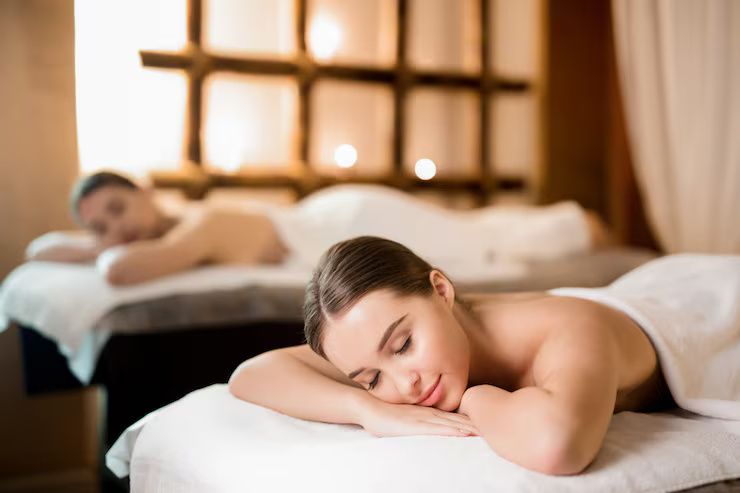
A spa is a wellness environment designed to support relaxation, physical comfort, and mental well-being through therapeutic practices. The concept of spa culture has historical roots in ancient civilizations where natural mineral springs and bathing rituals were associated with health and relaxation.
The word “spa” is often linked to the historic town of Spa, known for mineral spring bathing traditions in Europe. Over time, the concept expanded to include modern wellness therapy practices such as massage therapy, hydrotherapy spa treatments, and aromatherapy sessions.
Today, spas exist in wellness retreats, urban wellness centers, resorts, and health clubs. Their primary focus is on relaxation, stress reduction, and overall wellness support rather than medical treatment.
Core Focus Areas
Modern spa environments typically emphasize:
- Relaxation therapy
- Stress reduction techniques
- Hydrotherapy and water-based treatments
- Aromatherapy practices
- Physical wellness and recovery
Importance of Spa Wellness
Spa wellness practices have become increasingly relevant due to growing awareness of stress management and mental health. Many individuals include relaxation therapies as part of their regular wellness routines.
Stress Reduction and Mental Wellness
Daily routines, long working hours, and constant digital exposure contribute to stress. Spa therapies such as massage and aromatherapy help promote relaxation through muscle relief and calming sensory experiences.
Physical Comfort and Recovery
Hydrotherapy and massage techniques may support muscle relaxation and recovery after physical activity. These practices are often used to ease tension and improve comfort.
Growth of Wellness Tourism
Wellness tourism has expanded globally, with many travelers including spa visits in their itineraries. Wellness retreats are increasingly seen as part of health-focused travel experiences.
Holistic Health Awareness
Spa environments promote a holistic view of well-being that includes:
- Physical comfort
- Mental relaxation
- Environmental calmness
- Mindfulness practices
Common Spa Treatments and Practices
Massage Therapy
Massage therapy involves the manipulation of muscles and soft tissues to promote relaxation. Common techniques include:
- Swedish massage
- Deep tissue massage
- Hot stone therapy
- Reflexology
These methods focus on improving circulation and reducing muscle tension.
Hydrotherapy
Hydrotherapy uses water at different temperatures to support relaxation. Examples include mineral baths, steam rooms, and whirlpool tubs.
Aromatherapy
Aromatherapy uses essential oils derived from plants to create calming sensory experiences. Oils may be diffused or applied during massage treatments.
Body Treatments
Body treatments focus on skincare and relaxation. Common options include:
- Body scrubs
- Mud or mineral wraps
- Skin hydration therapies
Spa Types Comparison
Different types of spas offer varied experiences depending on their focus and setting.
| Spa Type | Description |
|---|---|
| Day Spa | Focuses on short relaxation sessions |
| Resort Spa | Located within hotels or resorts |
| Wellness Retreat | Combines relaxation with wellness programs |
| Medical Spa | Supervised treatments with medical professionals |
| Mineral Spring Spa | Uses naturally occurring mineral water |
Recent Updates (2025–2026)
Recent developments have influenced spa wellness practices and the broader wellness industry.
Sustainable Spa Design (2025)
Many facilities now use eco-friendly materials, energy-efficient systems, and natural products. This reflects growing environmental awareness in wellness spaces.
Digital Wellness Integration (Late 2025)
Technology is increasingly integrated into spa environments. Tools such as relaxation monitoring devices and guided meditation systems are becoming more common.
Growth of Wellness Tourism (2026)
Global tourism trends show continued growth in wellness travel. Spa retreats are now a key part of stress management and lifestyle-focused tourism.
Natural and Plant-Based Products
There is a rising preference for botanical oils, mineral-based ingredients, and organic skincare products. This aligns with broader interest in sustainable wellness practices.
Laws and Policies
Spa operations are governed by health regulations and consumer protection policies that vary by region.
Health and Sanitation Standards
Local authorities may regulate:
- Cleanliness of treatment rooms
- Water quality in hydrotherapy facilities
- Sanitation of equipment
Professional Certification
Massage therapists and spa professionals often require certification or licensing depending on regional laws.
Workplace Safety Guidelines
Organizations such as the World Health Organization provide general health and hygiene guidelines that influence spa operations.
Tourism Regulations
In countries where spa services are part of tourism, ministries may define operational standards. In India, wellness tourism is supported by national tourism initiatives.
Tools and Resources
Various tools and platforms support spa wellness education and relaxation practices.
Meditation and Relaxation Apps
Popular apps provide guided sessions for mindfulness and relaxation:
- Headspace
- Calm
Wellness Tracking Tools
Smart devices help monitor:
- Sleep patterns
- Stress levels
- Mindfulness activities
Spa Safety Guidelines
Educational resources offer guidance on:
- Hydrotherapy safety
- Proper massage techniques
- Safe use of essential oils
Travel Planning Platforms
Online platforms help users explore spa destinations and wellness retreats globally.
Spa Treatment Benefits Overview
| Wellness Practice | Primary Focus |
|---|---|
| Massage Therapy | Muscle relaxation |
| Hydrotherapy | Water-based calm |
| Aromatherapy | Sensory relaxation |
| Meditation | Mental clarity |
| Body Scrubs | Skin renewal |
FAQs
What is the main purpose of a spa?
A spa provides an environment for relaxation and wellness through treatments such as massage therapy and hydrotherapy.
Is spa therapy medical treatment?
Most spa treatments focus on relaxation rather than medical care. Some medical spas may operate under clinical supervision.
What is hydrotherapy?
Hydrotherapy involves using water, such as baths and steam environments, to support relaxation and muscle comfort.
Are aromatherapy treatments safe?
Aromatherapy typically uses plant-based oils, but individuals with sensitivities should review ingredients before use.
What is wellness tourism?
Wellness tourism includes travel experiences focused on health, relaxation, and spa activities.
Conclusion
Spa wellness practices have evolved from ancient mineral bathing traditions into a global industry centered on relaxation and holistic health. Modern spas combine massage therapy, hydrotherapy, and aromatherapy to support both physical and mental balance.
Recent trends highlight sustainability, plant-based products, and the growth of wellness tourism. Regulations and safety standards continue to play an important role in maintaining consumer trust.
Understanding spa fundamentals helps individuals see how relaxation practices contribute to broader wellness routines. As awareness of mental health and lifestyle balance grows, spa environments remain an important part of modern wellness culture.