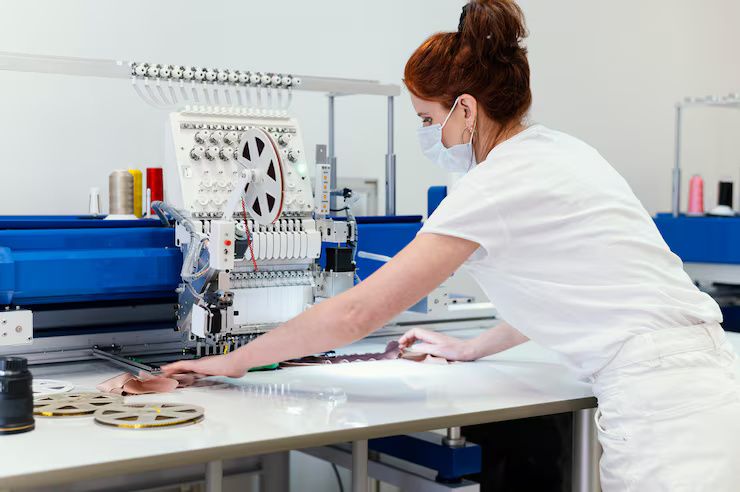
Spinning machines are essential equipment in the textile industry used to convert raw fibers such as cotton, wool, or synthetic materials into yarn. This yarn is then used for weaving, knitting, or other fabric production processes. The efficiency, quality, and consistency of yarn production largely depend on the type and technology of spinning machines used.
In recent years, textile manufacturing has undergone significant transformation due to automation, digital monitoring, and increased demand for high-quality fabrics. Advanced spinning machines are designed to improve productivity, reduce waste, and enhance yarn characteristics such as strength and uniformity. As global textile demand continues to grow especially in emerging markets like India manufacturers are investing in modern spinning technologies to remain competitive.
This guide provides a detailed overview of different types of spinning machines and their applications in textile production. Understanding these machines helps manufacturers, engineers, and industry professionals optimize production processes and improve product quality.
Who It Affects and What Problems It Solves
Spinning machines impact a wide range of stakeholders within the textile value chain. Textile manufacturers rely on them to produce yarn efficiently and maintain consistent quality. Workers operate and monitor these machines, while engineers and production managers optimize processes to improve output.
Export-oriented textile businesses depend on advanced spinning machines to meet international quality standards. Small and medium enterprises (SMEs) must balance cost and performance when selecting spinning equipment.
Problems It Solves
- Inconsistent Yarn Quality: Ensures uniform fiber alignment and yarn strength
- Low Production Efficiency: High-speed machines increase output
- Labor Dependency: Automation reduces manual intervention
- Material Waste: Optimized processes minimize fiber loss
- Production Downtime: Advanced machines support predictive maintenance
- Scalability Issues: Enables large-scale textile production
Spinning machines play a critical role in improving textile manufacturing efficiency and product quality.
Recent Updates and Industry Trends
The spinning machinery industry has experienced several developments over the past year:
- Automation and Smart Spinning Systems: Integration of sensors and real-time monitoring
- Energy-Efficient Machines: Reduced power consumption in spinning operations
- Compact Spinning Technology: Improved yarn quality and reduced hairiness
- Sustainability Initiatives: Use of recycled fibers and eco-friendly processes
- Digitalization in Textile Production: Data-driven optimization of spinning processes
- Growth in Technical Textiles: Increased demand for specialized yarns
India’s textile sector continues to modernize with investments in advanced spinning technologies and infrastructure.
Comparison Table: Types of Spinning Machines
| Type of Spinning Machine | Key Features | Common Applications |
|---|---|---|
| Ring Spinning Machine | High-quality yarn, versatile | Apparel textiles, general fabrics |
| Open-End (Rotor) Spinning | High speed, lower cost | Denim, towels, industrial fabrics |
| Compact Spinning Machine | Reduced yarn hairiness, improved strength | Premium textiles |
| Air-Jet Spinning Machine | High speed, smooth yarn | Synthetic fabrics |
| Mule Spinning Machine | Traditional method, high control | Specialty yarns |
Laws, Policies, and Government Regulations
Spinning machines and textile production are influenced by industry standards and regulations.
Key Regulations
- Textile Industry Standards: Ensure yarn quality and consistency
- Labor and Safety Laws: Govern safe operation of machinery
- Environmental Regulations: Control emissions and waste in textile production
- Government Textile Schemes (India): Support modernization and technology adoption
Practical Guidance
- Large Manufacturers: Should invest in advanced machines for global competitiveness
- SMEs: Can adopt cost-effective and scalable spinning solutions
- Sustainability Compliance: Use energy-efficient and eco-friendly technologies
- Workforce Training: Essential for operating modern spinning systems
Compliance ensures quality, safety, and sustainable production.
Tools and Resources
Several tools and resources support spinning machine operations:
Digital Tools
- Production monitoring software
- Yarn quality analysis systems
Maintenance Tools
- Predictive maintenance systems
- Machine diagnostics tools
Quality Control Tools
- Fiber testing equipment
- Yarn strength and uniformity testing systems
Industry Resources
- Textile standards and guidelines
- Manufacturer technical documentation
Training Resources
- Textile engineering courses
- Operator training programs
These resources help improve efficiency, quality, and operational reliability.
Frequently Asked Questions (FAQ)
What are spinning machines?
Spinning machines are equipment used to convert fibers into yarn in textile production.
Which spinning machine produces the best quality yarn?
Ring spinning machines are known for producing high-quality yarn.
What is the difference between ring and rotor spinning?
Ring spinning produces finer yarn, while rotor spinning is faster and more cost-effective.
Are modern spinning machines automated?
Yes, many modern machines include automation and digital monitoring systems.
What industries use spinning machines?
Industries such as apparel, home textiles, and technical textiles use spinning machines.
Conclusion
Spinning machines are a fundamental part of textile production, enabling efficient conversion of raw fibers into high-quality yarn. Different types of machines offer varying benefits in terms of speed, quality, and cost, allowing manufacturers to choose solutions based on their production needs.
Recent trends such as automation, energy efficiency, and sustainability are shaping the future of spinning technology. Data-driven insights suggest that manufacturers investing in advanced spinning machines achieve higher productivity, better yarn quality, and improved competitiveness.
For textile producers, selecting the right spinning machine depends on application requirements, budget, and production scale. While traditional methods remain relevant for niche applications, modern spinning systems are essential for large-scale and high-quality textile manufacturing.