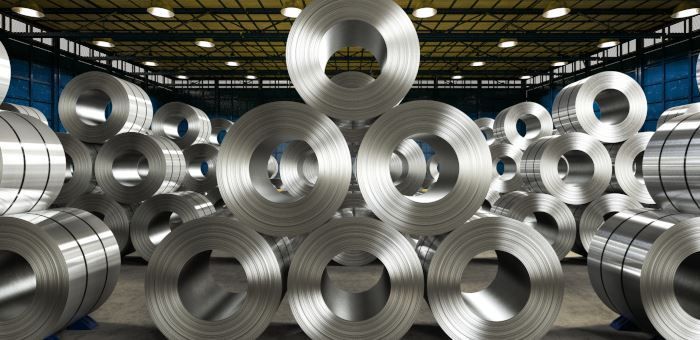
Steel is one of the most widely used materials in the modern world. From buildings and infrastructure to automobiles and appliances, steel supports the development and maintenance of industrialized and developing societies alike. Steel demand refers to the total quantity of steel products required across various industries and sectors.
Global steel demand is not static it shifts according to economic cycles, technological progress, population growth, and policy changes. For beginners trying to understand how and why steel demand fluctuates, this guide breaks down the key concepts, recent trends, and useful resources.
Why Steel Demand Matters Today
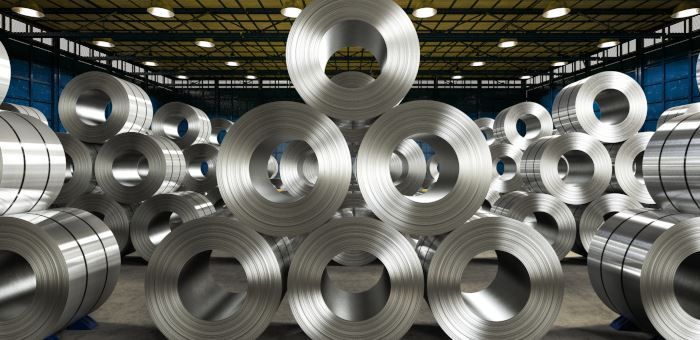
Steel demand matters because it reflects broader industrial health, economic activity, and infrastructure development. It affects many groups:
-
Construction industry: Needs steel for buildings, roads, bridges, and pipelines
-
Automotive and manufacturing sectors: Use steel in car bodies, tools, equipment
-
Energy sector: Relies on steel for pipelines, transmission towers, and wind turbines
-
Governments and policymakers: Monitor steel demand as an indicator of economic growth
-
Investors and suppliers: Use steel demand data to make supply chain and market decisions
High steel demand typically signals industrial growth, job creation, and urban development. Conversely, declining demand may point to economic slowdowns or shifts to alternative materials.
Global Trends and Recent Developments in Steel Demand
Steel demand is shaped by regional developments, macroeconomic trends, and technological transitions. Recent years have seen both fluctuations and stabilization due to factors like post-pandemic recovery, energy transitions, and geopolitical events.
Highlights from Recent Data:
| Year | Global Steel Demand | Notes |
|---|---|---|
| 2023 | ~1.8 billion tons | Slower growth due to China’s real estate slump |
| 2024 | ~1.85 billion tons | Recovery in India and ASEAN economies boosted demand |
| 2025 (Projected) | ~1.9 billion tons | Driven by green infrastructure and emerging economies |
-
India’s steel consumption is growing rapidly, supported by infrastructure programs like the Gati Shakti master plan.
-
Green steel initiatives in Europe and North America are promoting cleaner production methods, though they remain limited in output.
-
China remains the largest consumer, but its steel demand has plateaued due to a slowing real estate sector.
-
Decarbonization in steelmaking is becoming a policy priority, with major firms investing in hydrogen-based production.
-
Trade restrictions and tariffs have caused supply-demand imbalances in some regions.
Policies and Regulations Shaping Steel Demand
Governments play a crucial role in shaping steel demand through infrastructure investment, trade policy, and environmental regulations.
Major Policy Influences:
-
India: National Steel Policy 2017 aims for 300 million tonnes of production by 2030. The Production-Linked Incentive (PLI) Scheme encourages domestic manufacturing.
-
United States: Infrastructure Investment and Jobs Act (2021) fuels steel demand for bridges, highways, and transit.
-
European Union: Carbon Border Adjustment Mechanism (CBAM) impacts steel imports, encouraging low-emission production.
-
China: Dual Control Policy caps steel output to reduce carbon emissions and stabilize supply.
These policies support strategic planning and help maintain balance between demand growth and environmental responsibility.
Tools and Resources to Track and Analyze Steel Demand
Whether you’re a student, industry analyst, or policy researcher, the following resources offer valuable data and insights:
Useful Tools and Platforms:
-
World Steel Association (worldsteel.org)
Offers global production reports, demand forecasts, and sustainability data. -
OECD Steel Committee
Tracks government policies and global trade flows in steel. -
SteelBenchmarker (steelbenchmarker.com)
Provides pricing data for various steel products globally. -
Trading Economics (tradingeconomics.com)
Shares real-time charts and economic indicators related to steel and commodities. -
UN Comtrade Database
Useful for analyzing import/export patterns of steel across countries.
Frequently Asked Questions (FAQs)
1. What causes steel demand to rise or fall?
Steel demand rises with construction booms, infrastructure spending, and economic growth. It falls during recessions, housing market slowdowns, or when alternative materials become popular.
2. Who are the top consumers of steel globally?
China is the largest consumer, followed by India, the United States, and Japan. These countries have large infrastructure and manufacturing needs.
3. What is "green steel," and how does it affect demand?
Green steel refers to steel produced with lower carbon emissions, often using hydrogen or renewable energy. It reflects a shift in demand toward more sustainable products but is still in its early stages.
4. How is steel demand related to construction and manufacturing?
Construction uses steel in structures, while manufacturing uses it for tools, vehicles, and machinery. Together, these sectors account for over 70% of global steel consumption.
5. Will steel demand keep rising in the future?
Yes, especially in emerging economies. However, the growth rate may moderate due to increased recycling, efficiency improvements, and environmental regulations.
Final Thoughts
Understanding steel demand offers a window into global industrial health, trade dynamics, and environmental goals. While traditional sectors like construction and manufacturing continue to drive demand, newer trends like sustainable steelmaking and digital monitoring are reshaping the landscape.
Whether you’re analyzing markets, planning infrastructure, or learning about global economics, keeping track of steel demand provides vital context for decision-making.
For continued updates, refer to sources like the World Steel Association or regional government data portals. As the steel sector evolves with technology and environmental goals, demand patterns will likely become even more region-specific and innovation-driven.