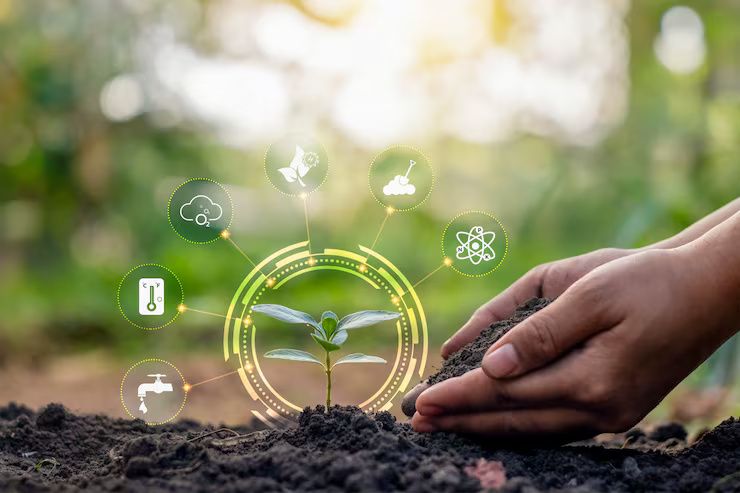
Sustainable agriculture refers to farming systems designed to meet current food and fiber needs while maintaining environmental balance, economic stability, and social responsibility for future generations. It exists as a response to challenges created by intensive agricultural practices, such as soil degradation, water scarcity, biodiversity loss, and climate variability.
Over time, agricultural systems have shifted toward higher yields through mechanization, chemical inputs, and monocropping. While these methods increased food production, they also raised concerns about long-term soil health, ecosystem resilience, and resource depletion. Sustainable agriculture emerged to address these concerns by promoting practices that work with natural systems rather than against them.
Within sustainable agriculture, three widely discussed approaches are organic agriculture, regenerative agriculture, and agroecology. Each approach emphasizes environmental stewardship, but they differ in methods, scale, and philosophical foundations. Together, they form a framework for understanding how agriculture can remain productive while protecting natural resources.
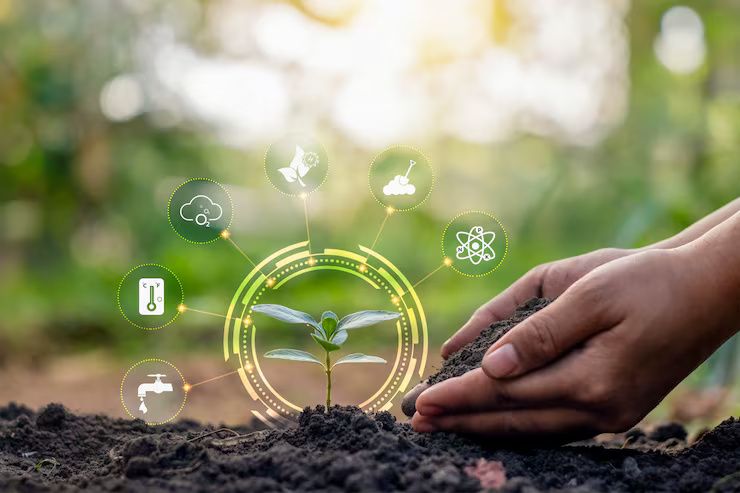
Importance: Why Sustainable Agriculture Matters Today
Sustainable agriculture has become increasingly important due to global population growth, climate change, and rising pressure on natural resources. Food systems now face the challenge of producing enough nutritious food while minimizing environmental impact.
This topic matters because it affects:
-
Farmers managing land, water, and soil resources
-
Consumers concerned about food quality and environmental impact
-
Policymakers addressing food security and climate resilience
-
Ecosystems that depend on balanced land-use practices
Sustainable agriculture helps solve several modern problems. It supports soil fertility through natural nutrient cycles, reduces dependency on synthetic inputs, and encourages biodiversity. Practices such as crop rotation, cover cropping, and integrated pest management contribute to resilient farming systems.
By focusing on long-term productivity rather than short-term output alone, sustainable agriculture aims to create stable food systems that can adapt to environmental and economic changes.
Recent Updates: Trends and Developments in the Past Year
During 2024 and 2025, sustainable agriculture has gained greater visibility in research, policy discussions, and farming communities. In early 2024, international agricultural reports highlighted regenerative practices as a key strategy for improving soil carbon and water retention in climate-sensitive regions.
Throughout 2024, agroecology gained attention as an approach that integrates traditional knowledge with ecological science. Academic studies published during this period emphasized the role of diversified cropping systems and local knowledge in building climate resilience.
In mid-2025, organic agriculture discussions focused on transparency, traceability, and certification improvements. Digital record-keeping and monitoring tools were increasingly referenced as ways to support compliance and data-driven decision-making.
Another recent development has been the growing emphasis on measuring sustainability outcomes. Indicators related to soil health, biodiversity, and water efficiency have become central topics in agricultural research and reporting frameworks during the past year.
Laws and Policies: How Regulations Influence Sustainable Agriculture
Sustainable agriculture is influenced by national and international policies focused on food security, environmental protection, and rural development. These policies help shape farming practices, research priorities, and education programs.
At the global level, organizations such as the Food and Agriculture Organization promote sustainable agricultural practices through guidelines, research, and international cooperation. These frameworks encourage countries to adopt environmentally responsible farming strategies.
In India, sustainable agriculture initiatives are supported through programs under the Ministry of Agriculture and Farmers Welfare. These initiatives focus on soil health management, natural farming practices, and efficient water use.
Environmental regulations related to land use, water conservation, and biodiversity protection also influence sustainable agriculture. Policies promoting reduced chemical input use and improved resource efficiency indirectly support organic, regenerative, and agroecological farming approaches.
Tools and Resources: Educational and Practical References
A range of tools and resources help individuals understand and apply sustainable agriculture concepts. These resources are commonly used by farmers, students, researchers, and policymakers.
Helpful tools and references include:
-
Soil health assessment frameworks used for monitoring long-term land productivity
-
Crop planning templates that support rotation and diversification strategies
-
Climate-smart agriculture guides focused on adaptive farming practices
-
Educational platforms offering courses on organic and agroecological systems
-
Research publications analyzing regenerative agriculture outcomes
The table below summarizes key characteristics of the three major sustainable agriculture approaches:
| Approach | Core Focus | Key Characteristics |
|---|---|---|
| Organic Agriculture | Input management | Natural inputs, certification standards |
| Regenerative | Soil and ecosystem health | Carbon sequestration, soil restoration |
| Agroecology | Ecological system design | Biodiversity, local knowledge integration |
These tools and references support informed decision-making and learning across different agricultural contexts.
Frequently Asked Questions About Sustainable Agriculture
What is the main goal of sustainable agriculture?
The main goal is to produce food in a way that maintains environmental health, economic viability, and social equity over the long term.
How is organic agriculture different from regenerative agriculture?
Organic agriculture focuses on avoiding synthetic inputs and following certification standards, while regenerative agriculture emphasizes improving soil health and ecosystem functions.
Is agroecology a science or a farming practice?
Agroecology is both a scientific discipline and a set of farming practices that apply ecological principles to agricultural systems.
Can sustainable agriculture support large populations?
Research suggests that diversified and resource-efficient farming systems can contribute to food security when supported by appropriate policies and knowledge sharing.
Why is soil health central to sustainable agriculture?
Healthy soil supports nutrient cycling, water retention, and plant growth, making farming systems more resilient to environmental stress.
Conclusion: Understanding Sustainable Agriculture as a Long-Term Approach
Sustainable agriculture represents a shift toward farming systems that prioritize balance between productivity and environmental stewardship. Through organic agriculture, regenerative practices, and agroecology, farmers and communities explore ways to protect soil, water, and biodiversity while meeting food needs.
Understanding these approaches helps readers see how agriculture can evolve to address modern challenges. As research, policy, and education continue to develop, sustainable agriculture remains a central concept in building resilient and responsible food systems for the future.