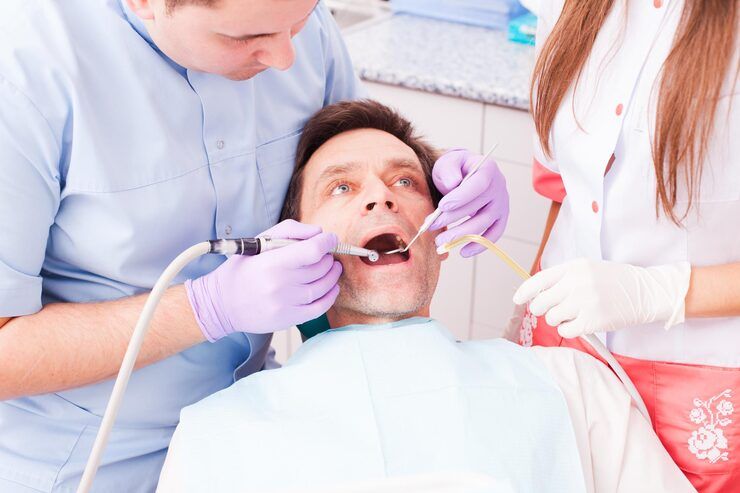
Teeth cleaning techniques are methods used to remove food particles, dental plaque, and other deposits from the teeth and gumline. Good oral hygiene helps maintain healthy teeth and gums, supports fresh breath, and reduces the risk of tooth decay and gum disease.
Dental plaque is a soft film of bacteria that forms continuously on tooth surfaces. When plaque remains for extended periods, it can contribute to cavities, gum inflammation, and other oral health problems. Plaque that hardens into tartar, also called calculus, cannot be removed completely through ordinary brushing and flossing.
Effective oral hygiene combines daily cleaning at home with regular dental examinations and professional cleaning when appropriate. The most suitable routine depends on a person's age, dental condition, gum health, and individual risk factors.
Understanding Different Teeth Cleaning Techniques
Several techniques work together to maintain oral cleanliness. Brushing removes plaque from accessible tooth surfaces, flossing cleans between teeth, and cleaning the tongue helps reduce bacteria and debris.
Common methods include:
Manual toothbrush cleaning
Electric toothbrush cleaning
Dental flossing
Interdental brush cleaning
Tongue cleaning
Professional scaling and polishing
Cleaning around orthodontic appliances
Specialized cleaning for dental implants
No single method reaches every part of the mouth equally well. Combining appropriate techniques helps clean areas that may otherwise be missed.
Proper Toothbrushing Methods
The American Dental Association recommends brushing twice daily for two minutes with fluoride toothpaste. A soft-bristled toothbrush is generally recommended because it helps clean effectively while reducing the risk of damaging tooth surfaces and gums through excessive pressure.
A practical brushing routine includes the following steps:
Position the toothbrush at approximately a 45-degree angle toward the gumline.
Use gentle, short strokes rather than aggressive horizontal scrubbing.
Clean the outer surfaces of the teeth.
Brush the inner surfaces and chewing surfaces.
Pay attention to the back teeth and areas near the gumline.
Brush the tongue gently if appropriate.
Spit out the toothpaste after brushing rather than immediately rinsing extensively with water.
Brushing too hard does not necessarily remove more plaque. Excessive pressure can contribute to gum irritation and tooth abrasion, especially when combined with an abrasive toothpaste.
Manual and Electric Toothbrushes
Both manual and electric toothbrushes can clean teeth effectively when used correctly. Electric toothbrushes may be particularly helpful for people who have difficulty maintaining consistent brushing movements.
| Feature | Manual Toothbrush | Electric Toothbrush |
|---|---|---|
| Power source | Hand movement | Battery or rechargeable power |
| Brushing technique | Controlled by the user | Brush head movement assists cleaning |
| Pressure control | Depends on brushing habits | Some models include pressure sensors |
| Timer | Usually separate | Often built in |
| Accessibility | Depends on grip and dexterity | May help people with limited hand movement |
| Effectiveness | Effective with proper technique | Effective with proper technique |
The most appropriate toothbrush is one that a person can use comfortably and consistently across all tooth surfaces.
Importance of Flossing and Interdental Cleaning
A toothbrush cannot reliably clean every narrow space between teeth. Dental floss and interdental brushes help remove plaque and food debris from these areas.
Flossing involves gently guiding the floss between two teeth and curving it around each tooth surface. The floss should move carefully beneath the gumline without snapping forcefully into the gums.
Interdental brushes can be useful when the spaces between teeth are wide enough to accommodate them. The brush should fit comfortably without being forced into a tight gap.
People with braces, dental bridges, implants, or certain gum conditions may need specialized cleaning tools recommended by a dental professional.
Why Effective Teeth Cleaning Matters
Consistent oral hygiene helps control plaque accumulation and reduces the risk of several common dental problems.
Preventing Tooth Decay
Bacteria in plaque use sugars from food and drinks to produce acids. These acids can gradually weaken tooth enamel and contribute to cavities.
Brushing with fluoride toothpaste helps strengthen enamel and supports the natural process of remineralization.
Maintaining Healthy Gums
Plaque accumulating along the gumline can cause gingivitis, an early form of gum disease characterized by redness, swelling, and bleeding.
If gum disease progresses, it can damage the tissues and bone supporting the teeth. Daily cleaning and appropriate dental care help reduce these risks.
Supporting General Well-Being
Oral health affects everyday activities such as eating, speaking, and sleeping comfortably. Dental pain and untreated oral conditions can also affect concentration, nutrition, and quality of life.
Good oral hygiene is therefore an important part of preventive healthcare rather than simply a cosmetic routine.
Recent Developments in Teeth Cleaning
Dental care continues to evolve through improvements in toothbrush technology, preventive dentistry, and public education.
Advances in Electric Toothbrushes
During 2025 and 2026, oral hygiene technology continued to emphasize pressure sensors, brushing timers, oscillating or sonic brush movements, and app-based feedback.
These features can help users identify missed areas and maintain more consistent brushing habits. However, technology does not replace correct technique or regular dental assessment.
Growing Attention to Gum Health
Preventive dentistry increasingly emphasizes cleaning between teeth and recognizing early signs of gum inflammation.
Dental professionals may recommend interdental brushes, floss, or other specialized tools depending on the spaces between teeth and the condition of the gums.
Fluoride and Preventive Care
Fluoride toothpaste remains a central element of routine cavity prevention. Public health guidance continues to emphasize regular brushing with fluoride toothpaste, limiting frequent exposure to sugary foods and drinks, and seeking dental advice when oral symptoms persist.
Recommendations can differ for young children, people with special dental needs, and those at elevated risk of tooth decay.
Dental Regulations and Public Health Policies
Dental hygiene recommendations and professional cleaning practices are influenced by national health guidance, professional standards, and regulations governing dental practitioners.
Oral Health Guidance in the United States
The American Dental Association publishes evidence-based guidance on brushing, flossing, fluoride toothpaste, and preventive oral care. Its recommendations support brushing twice daily for two minutes and cleaning between teeth daily.
The US Centers for Disease Control and Prevention also provides public health information on cavities, gum disease, fluoride, and preventive dental care.
Dental Practice Regulations
Professional dental cleaning procedures are governed by applicable licensing requirements and clinical standards. In the United States, state dental boards regulate dental professionals within their jurisdictions.
In other countries, professional registration, infection prevention, dental practice standards, and patient protections are governed by national or regional authorities.
Oral Health in India
In India, oral health education and preventive dental care are supported through public health initiatives and dental institutions. The National Oral Health Programme aims to strengthen oral healthcare delivery and promote awareness of oral diseases.
Individuals should follow the guidance of appropriately qualified dental professionals, particularly when experiencing persistent bleeding gums, tooth pain, swelling, or sensitivity.
Tools and Resources for Better Oral Hygiene
The right tools can make a daily cleaning routine easier to follow.
Essential Oral Hygiene Tools
Soft-bristled toothbrush: Helps clean teeth while limiting unnecessary pressure.
Fluoride toothpaste: Supports enamel protection and cavity prevention.
Dental floss: Cleans between closely spaced teeth.
Interdental brushes: Clean suitable spaces between teeth.
Tongue scraper: Helps remove debris from the tongue's surface.
Electric toothbrush timer: Encourages consistent brushing duration.
Water flosser: Uses a stream of water to remove debris and help clean around certain dental appliances.
A water flosser can be useful for some people, but its suitability depends on individual oral health needs. It should not automatically be considered a replacement for every other interdental cleaning method.
Building a Daily Cleaning Schedule
| Time | Recommended Activity | Main Purpose |
|---|---|---|
| Morning | Brush with fluoride toothpaste | Remove plaque and support enamel protection |
| During the day | Drink water and limit frequent sugary snacks | Support oral health |
| Evening | Brush for two minutes | Remove accumulated plaque |
| Daily | Clean between teeth | Reach areas missed by brushing |
| As recommended | Attend dental examinations | Assess oral health and treatment needs |
The routine should be adapted for children, orthodontic appliances, dental implants, and other specific oral health conditions.
Frequently Asked Questions
How often should teeth be cleaned at home?
Most people should brush twice daily for two minutes with fluoride toothpaste and clean between their teeth once daily. Individual recommendations may vary depending on age and dental conditions.
Is an electric toothbrush better than a manual toothbrush?
Both can be effective. An electric toothbrush may help improve consistency and brushing technique for some users, particularly when it includes a timer or pressure sensor.
Can brushing remove tartar?
No. Brushing and flossing help remove plaque, but hardened tartar generally requires professional removal using appropriate dental instruments.
How often is professional dental cleaning needed?
The appropriate interval depends on gum health, plaque accumulation, tartar formation, medical history, and individual risk factors. A dental professional can recommend a suitable schedule.
What should someone do if their gums bleed during brushing?
Bleeding can be associated with gum inflammation, brushing trauma, or other oral health conditions. Gentle cleaning with a soft-bristled toothbrush is advisable, and persistent or recurring bleeding should be assessed by a dental professional.
Conclusion
Effective teeth cleaning combines correct brushing, daily interdental cleaning, fluoride toothpaste, and appropriate professional dental care. These practices help control plaque, reduce the risk of tooth decay, and support healthy gums.
Modern toothbrushes and oral hygiene tools can make cleaning more convenient, but consistent technique remains essential. Professional advice is particularly important for people with persistent symptoms, orthodontic appliances, dental implants, or an increased risk of gum disease.
A simple, consistent oral hygiene routine, supported by evidence-based guidance and regular dental assessment, can contribute to healthier teeth and gums over time.