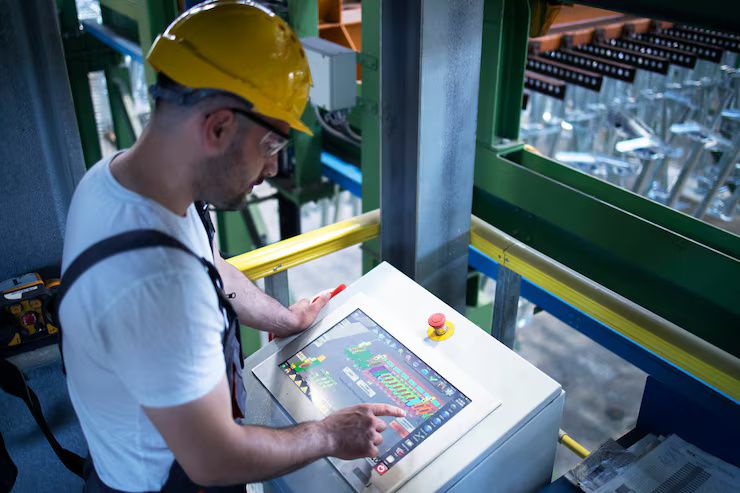
Extrusion machines are industrial tools used to shape materials by forcing them through a die. This process transforms raw material—commonly metal, plastic, or food—into continuous profiles with a consistent cross-section. Examples include pipes, window frames, wire insulation, and pasta.
The concept of extrusion dates back to the 18th century, but modern machines have become highly specialized and automated. There are various types of extrusion processes, including hot, cold, and warm extrusion, as well as direct and indirect extrusion. Each is suited to different materials and applications.
Extrusion machines are central to many industries: manufacturing, construction, automotive, aerospace, packaging, and even the food industry. Their flexibility and efficiency make them a preferred method for mass-producing complex shapes with minimal waste.
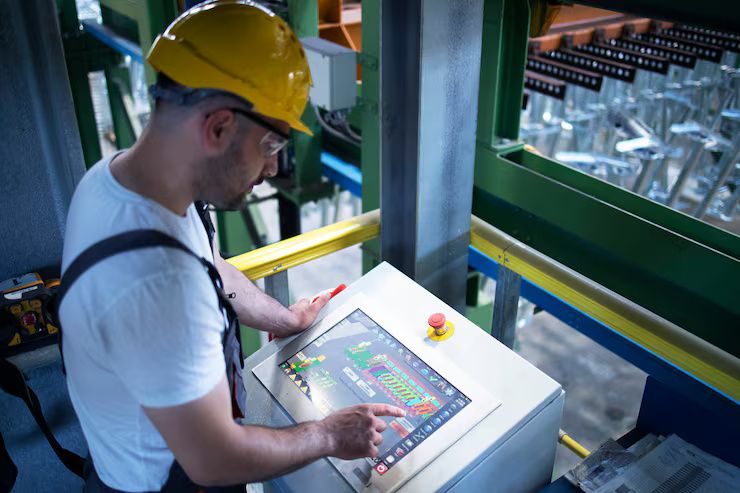
Why extrusion machines are important today
In today’s fast-paced industrial environment, extrusion plays a vital role in addressing several key challenges:
-
Efficiency: Extrusion allows for high-volume production with less material waste.
-
Sustainability: Many extrusion machines support the use of recycled materials.
-
Precision: Extrusion ensures uniformity in products, important for technical and aesthetic requirements.
-
Cost-effectiveness: Compared to machining or molding, extrusion often requires less labor and post-processing.
Who relies on extrusion machines?
-
Manufacturers: For producing parts like tubes, rods, and sheets.
-
Food processors: To create snacks, pasta, and pet food.
-
Medical and electronics sectors: For components such as catheter tubing and cable insulation.
-
Construction firms: To produce cladding, rails, and window profiles.
Problems solved by extrusion:
-
Reduces production time
-
Cuts costs by minimizing waste
-
Supports complex designs without needing extensive tooling
-
Enables use of diverse raw materials, including eco-friendly alternatives
Recent updates in extrusion machine technology (2024–2025)
The extrusion industry has seen significant advancements in the past year due to growing demands for sustainability, automation, and quality control.
| Trend | Description |
|---|---|
| Smart monitoring systems | Machines now feature IoT integration for real-time monitoring of temperature, pressure, and output speed. |
| Energy-efficient motors | New-generation motors consume less power, reducing environmental impact and operational costs. |
| AI-driven process optimization | AI is being used to analyze production data and recommend adjustments to improve output consistency. |
| Recycled material compatibility | Many modern extrusion machines are now designed to handle a broader range of recycled materials. |
| Modular designs | Equipment is increasingly being built with modular parts, allowing easier maintenance and upgrades. |
In early 2025, companies like KraussMaffei and Milacron launched extrusion machines with built-in predictive maintenance alerts and advanced PLC interfaces. Additionally, several manufacturers introduced bio-based polymer compatibility into their systems to support green initiatives.
Laws and policies affecting extrusion machine use
Extrusion machines and the materials they process are subject to various industry standards and regulations, depending on the region and sector. These ensure safety, quality, and environmental compliance.
| Regulation | Region | Purpose |
|---|---|---|
| REACH & RoHS | Europe | Limits hazardous substances in machinery and materials. |
| OSHA Standards | USA | Requires workplace safety measures around industrial machines. |
| CE Marking | EU | Indicates conformity with health, safety, and environmental standards. |
| ISO 9001 / 14001 | Global | Sets standards for quality management and environmental responsibility. |
| FDA Compliance | USA | For food and medical extrusion machines, ensuring hygiene and safety. |
Governments in countries like Germany, Japan, and Canada also offer funding or tax incentives for industries upgrading to energy-efficient or eco-friendly machinery.
Tools and resources for managing and learning about extrusion
There are several tools and resources available to support professionals and businesses working with extrusion machines.
Simulation and Design Software:
-
ANSYS Polyflow – Used for simulating extrusion processes and die design.
-
SolidWorks Plastics – Helps design molds and flow simulations.
-
COMSOL Multiphysics – Offers modeling for extrusion heat and fluid dynamics.
Monitoring and Control Systems:
-
PLC Controllers (e.g., Siemens S7-1500)
-
SCADA software – Supervisory Control and Data Acquisition tools for real-time oversight.
Websites and Learning Platforms:
-
Matmatch – Database of materials compatible with extrusion.
-
AZoM.com – News and articles about materials and machinery.
-
YouTube Channels – Many industrial channels offer visual explanations and machine demos.
-
SME.org – The Society of Manufacturing Engineers shares standards and training.
Calculators and Templates:
-
Extrusion pressure calculators
-
Thermal load estimators
-
Maintenance checklists (often provided by equipment manufacturers)
These tools help optimize machine settings, prevent downtime, and improve product quality.
Frequently Asked Questions
1. What materials can be processed using extrusion machines?
Extrusion machines can process a wide range of materials including metals (aluminum, copper), plastics (PVC, polyethylene), rubber, and food items like dough and cereals. The type of machine and temperature range depend on the material used.
2. How does a single-screw extruder differ from a twin-screw extruder?
A single-screw extruder is typically used for simple processes with uniform materials, like basic plastic pipes. A twin-screw extruder offers better mixing and is suited for more complex or multi-component materials, such as food or specialty polymers.
3. What is the role of the die in the extrusion process?
The die determines the final shape of the extruded product. It is attached to the end of the extruder and can be custom-designed for profiles like tubes, sheets, or intricate shapes.
4. Are extrusion machines safe to operate?
Yes, when proper safety protocols are followed. Machines must comply with occupational safety regulations, and operators should be trained in handling high temperatures and pressures. Modern machines also come with automatic shut-off and emergency stop features.
5. How do I maintain an extrusion machine?
Regular maintenance includes:
-
Cleaning the screw and barrel
-
Checking for wear or corrosion
-
Lubricating moving parts
-
Monitoring temperature and pressure sensors
-
Replacing filters and inspecting electrical connections
Following a manufacturer-provided maintenance checklist ensures consistent performance and longer machine lifespan.
Visual Summary: Types of Extrusion Processes
| Process Type | Description | Common Applications |
|---|---|---|
| Hot Extrusion | Material is heated above recrystallization temperature | Aluminum window frames, automotive parts |
| Cold Extrusion | Performed at room temperature | Gear blanks, fasteners |
| Plastic Extrusion | Used for thermoplastics | Pipes, wire insulation, packaging |
| Food Extrusion | Shapes food through heat and pressure | Cereal, pasta, snacks |
| Direct vs. Indirect | Based on material and die movement direction | Varies by efficiency and stress control |
Final thoughts
Extrusion machines are essential to modern manufacturing, offering precision, flexibility, and scalability across multiple industries. As technologies evolve, these machines are becoming smarter, greener, and more adaptable to changing market and environmental demands.
Understanding how extrusion machines work, what standards to follow, and which tools to use can help businesses improve efficiency, meet compliance requirements, and stay ahead in a competitive industry. Whether you're a manufacturer, engineer, or curious learner, having a clear grasp of this technology is increasingly valuable in today’s industrial landscape.