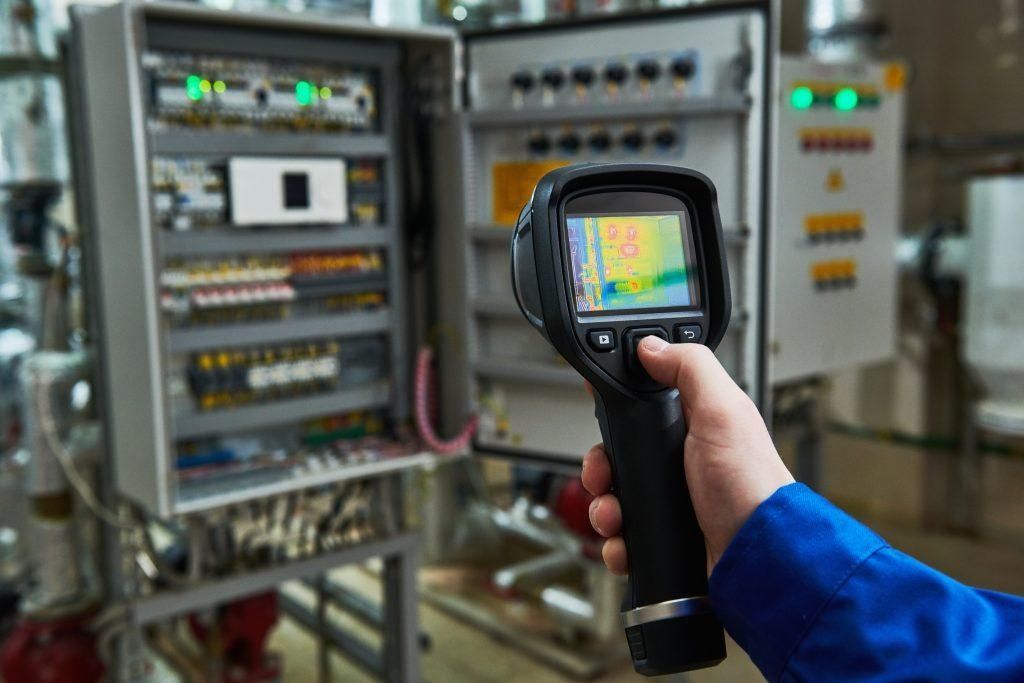
Thermal imaging for electrical panels refers to the use of infrared technology to detect temperature variations across electrical components. This method allows technicians and safety teams to identify abnormal heat patterns that are not visible to the naked eye. Electrical panels, which distribute power to circuits and equipment, naturally generate heat during operation. However, uneven or excessive heat can indicate underlying issues.
The practice exists because many electrical faults develop gradually and remain hidden until they cause failures or safety incidents. Loose connections, overloaded circuits, insulation breakdown, and component wear often produce heat signatures before any visible damage appears. Thermal imaging translates these heat patterns into visual images, making it possible to identify potential problems early.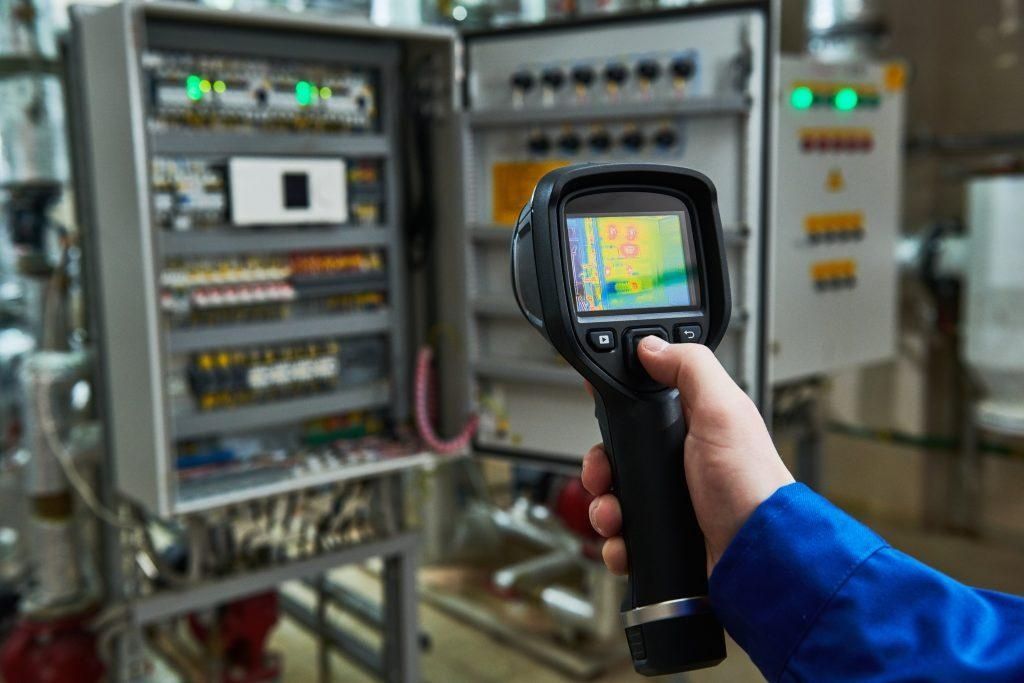
As electrical systems have become more complex and critical to daily operations, thermal imaging has emerged as a practical, non-invasive method for routine electrical inspections and preventive safety checks.
Importance: Why Thermal Imaging Matters for Electrical Safety
Thermal imaging plays an important role in maintaining electrical safety and system reliability. It affects facility managers, maintenance teams, safety officers, engineers, and organizations responsible for operating electrical infrastructure.
Key reasons thermal imaging is important include:
-
Early fault detection: Identifying hot spots helps detect issues before they escalate into failures.
-
Improved safety: Monitoring heat patterns reduces the risk of electrical fires and equipment damage.
-
Operational reliability: Stable electrical panels support uninterrupted power distribution.
-
Maintenance planning: Heat data supports informed decisions about inspections and corrective actions.
-
Risk awareness: Visual thermal data makes electrical risks easier to understand and communicate.
In industrial, commercial, and institutional environments, thermal imaging for electrical panels supports a proactive approach to electrical safety rather than reactive response after failures occur.
Recent Updates: Developments in Electrical Thermal Imaging Practices
Recent developments in thermal imaging focus on usability, accuracy, and integration with broader safety and monitoring practices. These changes aim to make thermal inspections more accessible and informative.
Key trends observed in recent periods include:
-
Improved image resolution: Higher-resolution thermal sensors provide clearer identification of small temperature differences.
-
Enhanced temperature measurement accuracy: Better calibration methods improve confidence in readings.
-
Integrated reporting features: Thermal images are increasingly linked with digital reporting and documentation tools.
-
Portable inspection devices: Compact equipment supports inspections in confined electrical spaces.
-
Data consistency standards: Greater emphasis on consistent inspection procedures improves comparability of results.
These developments help thermal imaging remain a reliable technique for identifying electrical panel risks in a wide range of environments.
Laws or Policies: Regulatory Influence on Electrical Thermal Inspections
Thermal imaging for electrical panels is influenced by safety regulations, electrical standards, and organizational compliance requirements. While regulations vary by country and sector, several common policy areas shape how inspections are conducted.
Typical regulatory considerations include:
-
Electrical safety standards: Guidelines that emphasize regular inspection and risk reduction in electrical systems.
-
Workplace safety regulations: Rules designed to protect personnel from electrical hazards and fire risks.
-
Fire prevention codes: Standards that encourage monitoring of overheating components to reduce fire incidents.
-
Maintenance documentation requirements: Policies that require evidence of inspection and preventive measures.
These laws and policies do not always mandate thermal imaging directly, but they support its use as a recognized method for maintaining electrical safety and compliance.
Tools and Resources: Supporting Thermal Imaging for Electrical Panels
Various tools and reference resources support effective thermal imaging inspections. These resources help ensure inspections are consistent, interpretable, and aligned with safety objectives.
Commonly used tools and resources include:
-
Thermal imaging devices: Equipment designed to capture infrared heat patterns on electrical components.
-
Inspection checklists: Structured guides that define inspection points and observation criteria.
-
Temperature reference charts: Materials that help interpret normal versus abnormal heat ranges.
-
Reporting templates: Standard formats for documenting findings and observations.
-
Electrical safety guidelines: Reference documents outlining best practices for inspection and risk assessment.
Together, these tools support reliable application of thermal imaging for electrical panels across different settings.
How Thermal Imaging Identifies Electrical Panel Issues
Thermal imaging works by detecting infrared radiation emitted by objects based on their temperature. In electrical panels, this allows inspectors to compare temperatures across similar components under load.
| Common Heat Pattern | Possible Indication | Practical Insight |
|---|---|---|
| Localized hot spot | Loose connection | Increased resistance at contact point |
| Even overheating | Circuit overload | Load imbalance or excess demand |
| One phase hotter | Phase imbalance | Unequal current distribution |
| Gradual temperature rise | Component aging | Wear affecting performance |
These patterns help inspectors interpret thermal images accurately and prioritize attention where needed.
FAQs
What is thermal imaging for electrical panels used for?
It is used to detect abnormal heat patterns in electrical components, helping identify potential faults before failures occur.
Is thermal imaging a contact-based inspection method?
No. Thermal imaging is non-contact, allowing inspections without direct interaction with energized components.
Can thermal imaging detect all electrical problems?
It identifies heat-related issues but does not replace other electrical testing methods. It works best as part of a broader inspection approach.
Who typically uses thermal imaging for electrical panels?
Maintenance teams, safety professionals, engineers, and facility managers commonly use thermal imaging for inspections.
Why are heat patterns important in electrical safety?
Heat patterns often indicate resistance, overloads, or deterioration that can lead to equipment damage or safety hazards.
Conclusion: Role of Thermal Imaging in Electrical Panel Safety
Thermal imaging for electrical panels provides a practical way to visualize hidden electrical risks through temperature analysis. By identifying abnormal heat patterns early, it supports safer operations, improved reliability, and informed maintenance decisions. As inspection tools and practices continue to evolve, thermal imaging remains a valuable component of electrical safety strategies. Understanding its basics, applications, and supporting resources helps organizations apply this method effectively within their electrical systems.