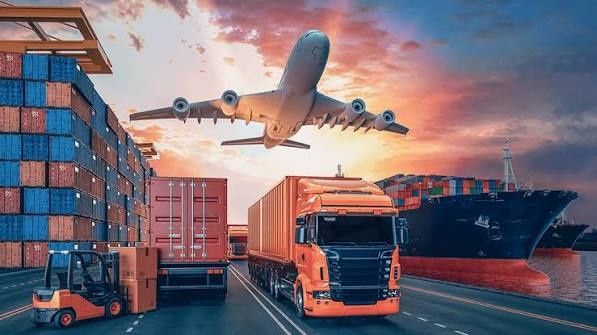
Transportation is an essential part of modern life, connecting people, communities, businesses, and countries. It includes the movement of passengers and goods by road, rail, air, water, and other systems.
Understanding transportation basics can help beginners learn how modern travel and logistics networks function.
Modern transportation combines physical infrastructure, vehicles, digital technologies, regulations, and planning methods. From daily commuting to international freight movement, these systems support economic activity and make it possible to move people and products across different distances.
Context
Transportation refers to the organized movement of people and goods from one location to another. Its main purpose is to provide connections between homes, workplaces, cities, industrial areas, ports, airports, and other destinations.
Historically, transportation developed from simple walking routes, animal-powered vehicles, and watercraft into complex networks involving highways, railways, aircraft, ships, pipelines, and automated systems.
Today, transportation can generally be divided into several major categories:
| Transportation Type | Common Examples | Main Use |
|---|---|---|
| Road | Cars, buses, trucks | Local and regional movement |
| Rail | Passenger trains, freight trains | Large-volume land movement |
| Air | Aircraft | Fast long-distance travel |
| Water | Ships, ferries, boats | International and regional movement |
| Pipeline | Oil and gas pipelines | Continuous material movement |
| Multimodal | Road + rail + sea | Combined logistics operations |
Transportation and logistics are closely connected but are not identical. Transportation focuses mainly on movement, while logistics includes planning, coordination, storage, routing, inventory management, and related activities.
Modern transportation networks also depend on infrastructure such as roads, bridges, tunnels, railway stations, airports, ports, traffic signals, charging facilities, and communication systems.
Importance
Transportation affects individuals, businesses, governments, and communities. Reliable transportation networks help people reach education, workplaces, healthcare facilities, commercial areas, and social destinations.
For logistics, transportation determines how materials and finished products move through supply chains. Manufacturers may depend on several transportation modes to move raw materials into production facilities and distribute completed products to different regions.
Transportation also has an important relationship with economic development. Efficient connections between production areas, population centers, ports, and markets can support regional economic activity.
For individuals, transportation choices may depend on:
- Distance and travel time
- Availability of public or private transport
- Road and traffic conditions
- Accessibility requirements
- Environmental considerations
- Safety and regulatory requirements
Transportation also affects the environment. Road vehicles, aircraft, ships, and other modes can produce greenhouse-gas emissions and other forms of pollution. This has encouraged research and investment in electric vehicles, alternative fuels, efficient engines, public transportation, and other lower-emission technologies.
Urban transportation is another important area. Growing populations can create congestion, parking challenges, and increased demand for public transit. Cities therefore use transportation planning to coordinate roads, transit systems, pedestrian routes, cycling infrastructure, and traffic management.
Recent Updates
Transportation technology continues to change as digital systems, automation, electrification, and data analysis become more widely integrated.
Electric vehicles are an important development in road transportation. Battery-powered cars, buses, trucks, and other vehicles are being incorporated into transportation networks in many countries. Charging infrastructure is developing alongside this transition.
Digital navigation has also changed everyday travel. Global positioning systems, mobile applications, digital maps, and real-time traffic information help travelers understand routes and changing road conditions.
In logistics, digital tracking systems can provide information about vehicle locations, shipment movement, and transportation schedules. Data analysis can help organizations identify patterns and improve route planning.
Several developments are receiving continued attention:
- Electric and hybrid transportation
- Automated driving technologies
- Intelligent traffic management
- Digital freight documentation
- Real-time transportation tracking
- Smart public transit systems
- Alternative aviation and marine fuels
- Urban mobility planning
Artificial intelligence and machine learning are also being explored for traffic prediction, route planning, fleet analysis, demand forecasting, and infrastructure monitoring. Their practical use varies according to technical capability, regulations, infrastructure, and safety requirements.
Laws or Policies
Transportation is governed by laws and policies that vary by country, state, province, and local authority. These rules can address vehicle safety, driver licensing, road use, emissions, passenger protection, freight movement, and infrastructure.
Road transportation commonly involves requirements related to:
- Driver licensing
- Vehicle registration
- Traffic rules
- Safety equipment
- Vehicle inspections
- Insurance requirements
- Weight and dimension limits
- Emission standards
Air transportation is subject to national and international aviation rules covering aircraft operations, passenger safety, airport procedures, airspace, and security.
Maritime transportation is influenced by international conventions and national maritime regulations. These can address vessel safety, pollution prevention, crew requirements, and navigation.
Rail transportation is similarly regulated through national authorities and technical standards. Regulations can cover railway infrastructure, signaling, rolling stock, crossings, and operational safety.
Transportation policies also increasingly address environmental goals. Governments in different regions have introduced measures involving vehicle emissions, fuel efficiency, electric mobility, public transportation, and infrastructure development.
Travelers should consult the relevant government or transportation authority for current rules because regulations can change and may differ between jurisdictions.
Tools and Resources
Beginners can use several types of resources to understand transportation systems and plan journeys.
Digital maps can help with route planning, distance calculations, traffic information, and public transit connections. Government transportation websites can provide information about road conditions, regulations, licensing requirements, and transportation programs.
Useful resources may include:
- National transportation departments
- Local road and traffic authorities
- Railway information portals
- Aviation authorities
- Maritime authorities
- Public transit websites
- Digital mapping platforms
- Transportation research organizations
- Academic transportation databases
For logistics planning, spreadsheets and transportation management tools can be used to record routes, distances, vehicle information, schedules, fuel usage, and shipment data.
A simple transportation planning table can include:
| Planning Factor | Example Information |
|---|---|
| Origin | Starting location |
| Destination | Final location |
| Transportation Mode | Road, rail, air, or water |
| Distance | Total route length |
| Travel Time | Estimated journey duration |
| Regulations | Applicable transportation rules |
| Schedule | Planned departure and arrival |
These tools can help beginners organize transportation information without requiring advanced technical knowledge.
FAQs
What are the main types of transportation?
The main categories are road, rail, air, water, pipeline, and multimodal transportation. Each has different capabilities, infrastructure requirements, and applications.
What is the difference between transportation and logistics?
Transportation mainly concerns moving people or goods. Logistics is broader and includes movement planning, routing, storage coordination, inventory management, documentation, and supply-chain activities.
Why is transportation important to the economy?
Transportation connects people, production facilities, communities, ports, and markets. These connections support the movement of workers, raw materials, equipment, and finished products.
How is technology changing transportation?
Digital maps, real-time tracking, artificial intelligence, automation, electric vehicles, and intelligent traffic systems are changing how transportation networks are planned and operated.
Where can beginners learn about transportation regulations?
Government transportation departments, aviation authorities, maritime authorities, railway regulators, and local transportation agencies are useful sources for current regulatory information.
Conclusion
Transportation is a broad field that includes the movement of people and goods through road, rail, air, water, pipeline, and combined systems. Understanding transportation basics provides a foundation for learning about travel planning, logistics, infrastructure, technology, safety, and environmental considerations.
Modern transportation is increasingly connected with digital technology and data. Electric mobility, intelligent traffic systems, automation, and digital logistics are contributing to changes across different transportation modes.
For beginners, learning the basic categories and understanding how transportation networks interact can make more advanced topics easier to understand. Reliable information from transportation authorities and research organizations can also help readers keep up with changing rules and developments.
Transportation will continue to evolve as communities, industries, and governments respond to changing mobility needs. Studying its basic principles provides useful knowledge for understanding how people and goods move in the modern world.