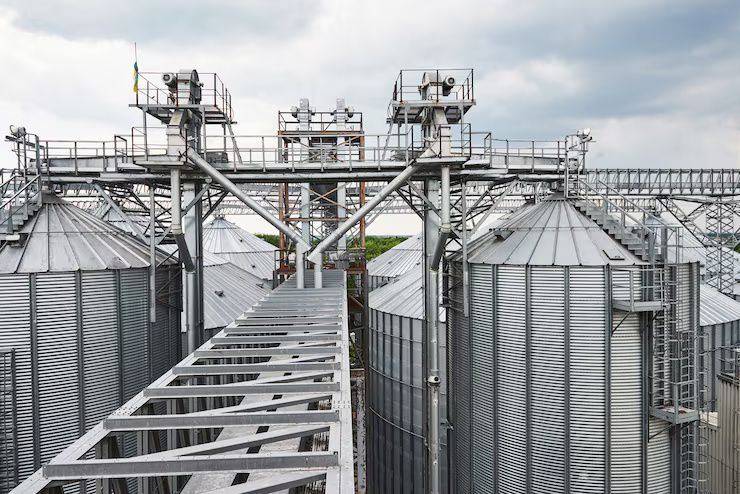
Turnkey plant manufacturing refers to the complete design, engineering, procurement, construction, installation, testing, and commissioning of an industrial plant delivered ready for operation. The term “turnkey” means the client can simply “turn the key” to begin production, as the contractor provides a fully functional facility.
Turnkey projects are widely used in industries such as cement, power generation, oil & gas, chemical processing, pharmaceuticals, food processing, steel manufacturing, water treatment, and renewable energy. As industrial expansion grows globally, turnkey plant manufacturing has become a preferred solution for companies seeking streamlined project execution and reduced operational risk.
Context: What Turnkey Plant Manufacturing Is and Why It Exists
In traditional industrial project models, companies would hire multiple contractors for engineering, procurement, civil work, machinery installation, and commissioning. This often led to delays, coordination challenges, cost overruns, and technical inconsistencies.
Turnkey plant manufacturing exists to:
-
Provide a single point of responsibility
-
Reduce project complexity
-
Ensure seamless integration of systems
-
Minimize delays and budget overruns
-
Deliver ready-to-operate industrial facilities
By combining engineering expertise, procurement management, and construction execution under one contract, turnkey manufacturing simplifies large-scale industrial development.
Importance: Why Turnkey Plant Manufacturing Matters Today
Turnkey plant solutions are increasingly important in modern industrial development.
Key Reasons Turnkey EPC Solutions Are Important
1. Project Time Efficiency
Reduces delays through centralized coordination.
2. Cost Control
Improves budgeting accuracy.
3. Risk Reduction
Single contractor assumes responsibility.
4. Technical Integration
Ensures system compatibility.
5. Faster Market Entry
Enables quicker production startup.
This topic is relevant to industrial investors, manufacturing companies, EPC contractors, project managers, infrastructure developers, and government agencies.
Recent Updates: Turnkey Manufacturing Trends (2024–2025)
Turnkey industrial projects are evolving with digital and sustainable technologies.
Digital Twin Technology
Virtual plant modeling before construction.
Sustainable Plant Design
Energy-efficient systems and emission controls.
Modular Construction Methods
Faster off-site fabrication and installation.
Automation and Smart Factory Integration
Industry 4.0 compatibility.
Green Energy Integration
Solar and hybrid power incorporation.
Advanced Project Management Software
Real-time progress tracking and cost control.
Laws & Policies Affecting Turnkey Plant Projects
Turnkey plant manufacturing must comply with various regulatory frameworks.
Key regulatory considerations include:
-
Industrial construction permits
-
Environmental impact assessments
-
Occupational health and safety regulations
-
Emission and pollution control standards
-
Electrical and mechanical compliance certifications
-
Local zoning and land-use regulations
Compliance ensures smooth project approval and safe plant operation.
Turnkey Plant Manufacturing Process
Turnkey projects follow a structured and phased execution approach.
-
Feasibility study and project planning
-
Detailed engineering and plant design
-
Procurement of machinery and materials
-
Civil construction and structural work
-
Equipment installation and integration
-
Electrical and instrumentation setup
-
Testing and commissioning
-
Performance validation
-
Handover to client
-
Post-installation support and maintenance
This systematic process ensures operational readiness.
EPC Solutions in Turnkey Plant Manufacturing
EPC stands for Engineering, Procurement, and Construction.
Engineering
Plant design, layout planning, and technical specifications.
Procurement
Sourcing equipment, raw materials, and systems.
Construction
Building infrastructure and installing machinery.
EPC solutions provide:
-
Centralized project management
-
Integrated supply chain coordination
-
Technical accountability
-
Simplified communication
Core Components of a Turnkey Industrial Plant
A turnkey plant typically includes:
Process Equipment
Machinery specific to industry (reactors, kilns, turbines).
Utility Systems
Power supply, water systems, compressed air.
Control Systems
PLC, SCADA, and automation infrastructure.
Structural and Civil Works
Buildings, foundations, and support structures.
Electrical and Instrumentation Systems
Wiring, sensors, and control panels.
Safety Systems
Fire protection, ventilation, and monitoring systems.
Turnkey Plant Applications by Industry
| Industry | Typical Plant Type | Application |
|---|---|---|
| Cement | Cement manufacturing plant | Construction materials |
| Power | Thermal/solar power plant | Energy generation |
| Oil & Gas | Refinery or processing plant | Fuel production |
| Chemical | Chemical processing plant | Industrial chemicals |
| Food Processing | Food manufacturing plant | Packaged food production |
| Water Treatment | Treatment plant | Municipal infrastructure |
Industrial Applications of Turnkey Plant Manufacturing
Turnkey plant manufacturing supports multiple industrial sectors.
Energy and Power Generation
Thermal, hydro, solar, and wind projects.
Cement and Construction Materials
Large-scale cement production facilities.
Oil, Gas & Petrochemical
Refineries and gas processing units.
Pharmaceutical and Healthcare
Drug manufacturing plants.
Steel and Metallurgy
Metal processing and rolling mills.
Food and Beverage Industry
Automated processing facilities.
Water and Waste Management
Treatment and recycling plants.
Benefits of Turnkey Plant Manufacturing
Single Point of Responsibility
Simplifies communication and accountability.
Reduced Project Risk
Minimizes coordination errors.
Faster Commissioning
Ready-to-operate facility upon delivery.
Cost Predictability
Clear budgeting structure.
Integrated Engineering Solutions
Optimized plant performance.
Challenges & Considerations
-
High capital investment
-
Complex regulatory approvals
-
Long project timelines
-
Dependence on contractor expertise
-
Supply chain disruptions
Careful planning and experienced EPC partners reduce these risks.
How to Choose the Right Turnkey EPC Contractor
Evaluate Industry Experience
Sector-specific expertise.
Review Past Projects
Successful plant deliveries.
Check Technical Capabilities
Engineering and automation skills.
Assess Financial Stability
Capacity for large-scale projects.
Examine Compliance Records
Regulatory and safety adherence.
Ensure After-Sales Support
Maintenance and technical assistance.
Maintenance & Operational Best Practices
-
Preventive maintenance planning
-
Continuous performance monitoring
-
Staff training programs
-
Automation system updates
-
Regular safety audits
-
Utility optimization strategies
These practices ensure long-term plant efficiency.
Frequently Asked Questions
1. What is a turnkey plant project?
A complete industrial facility delivered ready for operation.
2. What does EPC stand for?
Engineering, Procurement, and Construction.
3. Are turnkey projects cost-effective?
They improve cost control through centralized management.
4. Which industries use turnkey plants?
Energy, cement, oil & gas, chemicals, food processing, and more.
5. How long does a turnkey plant project take?
Typically 12–36 months depending on size and complexity.
Conclusion
Turnkey plant manufacturing provides a streamlined and efficient solution for large-scale industrial development. By integrating engineering, procurement, and construction under a single contract, turnkey EPC solutions reduce complexity, control costs, and accelerate project timelines.
Understanding the process, EPC framework, components, applications, regulatory considerations, and contractor selection criteria enables organizations to execute industrial projects successfully. As industries continue to expand and modernize, turnkey plant manufacturing will remain a strategic approach for delivering fully operational and sustainable industrial facilities.