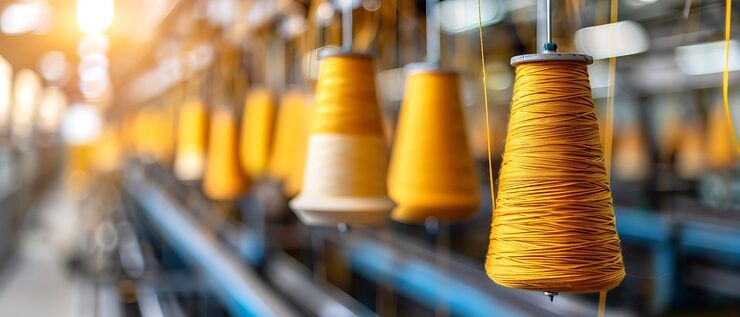
A circular knitting machine is a type of textile equipment used to produce knitted fabrics in a continuous tubular form. Unlike flat knitting machines, these machines operate with needles arranged in a circular configuration, allowing fabric to be created seamlessly. This design makes them highly efficient for producing large volumes of textiles such as t-shirts, hosiery, sportswear, and technical fabrics.
The concept of circular knitting emerged as a solution to the growing demand for faster and more consistent fabric production during industrial expansion. As textile manufacturing scaled globally, manufacturers required machines that could deliver uniform quality while minimizing manual intervention. This led to the development of the industrial circular knitting machine, which is now widely used across textile hubs.
Over time, advancements in automation and electronics introduced new categories such as the automatic circular knitting machine and the electronic circular knitting machine. These innovations have transformed traditional knitting processes into highly controlled and programmable systems. Today, modern machines integrate digital controls, sensors, and software, enabling precise pattern creation and improved operational efficiency.
Importance – Why Circular Knitting Machines Matter Today
Circular knitting machines play a critical role in modern textile manufacturing, particularly in regions with strong garment industries. They are essential for producing high-demand fabrics quickly and consistently, which is important for both domestic consumption and export markets.
The relevance of these machines extends across multiple sectors, including fashion, sportswear, medical textiles, and industrial applications. A high speed circular knitting machine can produce fabric at significantly faster rates compared to traditional methods, making it suitable for large-scale production environments.
Key reasons why these machines are important today include:
- Efficiency and Productivity: Continuous knitting reduces downtime and increases output per machine.
- Consistency in Fabric Quality: Automated systems ensure uniform stitch formation and tension control.
- Versatility: Machines can produce a wide range of fabrics, from simple jersey to complex jacquard patterns.
- Reduced Labor Dependency: Automation minimizes manual intervention, improving operational reliability.
The introduction of the computerized circular knitting machine has further enhanced these benefits. With programmable controls, manufacturers can quickly switch between designs and fabric types without extensive mechanical adjustments. This flexibility is especially valuable in a market driven by fast-changing fashion trends.
Additionally, these machines help address challenges such as production scalability, quality control, and resource optimization. By improving efficiency and reducing waste, they contribute to more sustainable textile manufacturing practices.
Recent Updates – Trends and Developments in the Past Year
In the past year, circular knitting technology has seen notable advancements driven by digital transformation and sustainability goals. As of 2025, manufacturers are increasingly adopting smart manufacturing solutions to improve efficiency and traceability.
One of the major trends is the integration of Industry 4.0 technologies into electronic circular knitting machines. These machines now feature real-time monitoring systems that track performance metrics such as speed, yarn consumption, and defect rates. Data analytics tools are being used to optimize machine settings and reduce downtime.
Another important development is the rise of energy-efficient designs in high speed circular knitting machines. New models are engineered to consume less power while maintaining high output levels. This shift aligns with global efforts to reduce carbon emissions in industrial operations.
Key recent updates include:
- Smart Sensors and IoT Integration: Machines equipped with sensors can detect faults and alert operators instantly.
- Advanced Software Interfaces: User-friendly dashboards allow operators to control and monitor machines digitally.
- Sustainable Material Compatibility: Machines are being adapted to work with recycled and eco-friendly yarns.
- Improved Automation: The latest automatic circular knitting machine models require minimal manual setup.
In 2024 and early 2025, several textile exhibitions and industry reports highlighted the growing demand for fully digital knitting solutions. The transition toward computerized circular knitting machines is expected to continue as manufacturers prioritize efficiency and customization.
Laws or Policies – Regulatory and Government Influence
Circular knitting machines are subject to various regulations and policies, particularly in countries with significant textile industries. These rules are designed to ensure safety, environmental compliance, and quality standards.
In India, the textile sector is influenced by government initiatives aimed at boosting manufacturing and exports. Programs such as the Production Linked Incentive (PLI) scheme encourage the adoption of advanced machinery, including industrial circular knitting machines, to enhance competitiveness.
Regulatory considerations include:
- Safety Standards: Machines must comply with industrial safety guidelines to protect operators.
- Environmental Regulations: Manufacturers are required to manage waste, emissions, and energy usage responsibly.
- Quality Certifications: Compliance with standards ensures that fabrics meet domestic and international requirements.
- Import and Export Policies: Regulations affect the availability and distribution of advanced machinery.
These policies influence how manufacturers select and operate knitting machines. For example, energy-efficient high speed circular knitting machines may be preferred to meet sustainability targets. Similarly, digital systems in computerized circular knitting machines can help maintain compliance through better monitoring and reporting.
Tools and Resources – Practical Support for Understanding and Use
There are several tools and resources available to help individuals and businesses understand and work with circular knitting machines. These resources support learning, planning, and operational efficiency.
Commonly used tools include:
- Machine Simulation Software: Helps visualize knitting patterns and test designs before production.
- Production Calculators: Estimate output, yarn consumption, and machine efficiency.
- Maintenance Checklists: Ensure regular servicing and reduce the risk of machine failure.
- Training Modules: Provide guidance on operating automatic circular knitting machines and digital interfaces.
Below is a simple data table showing typical features across different types of circular knitting machines:
| Machine Type | Key Feature | Typical Use Case | Automation Level |
|---|---|---|---|
| Circular Knitting Machine | Continuous tubular knitting | Basic fabric production | Low |
| Industrial Circular Knitting Machine | High durability and output | Large-scale manufacturing | Medium |
| Automatic Circular Knitting Machine | Minimal manual intervention | Efficient production processes | High |
| High Speed Circular Knitting Machine | Increased production speed | Mass production environments | High |
| Electronic Circular Knitting Machine | Digital control systems | Precision fabric design | Very High |
| Computerized Circular Knitting Machine | Programmable patterns and settings | Advanced textile applications | Very High |
These tools and structured comparisons help users better understand machine capabilities and make informed decisions about their application in different contexts.
FAQs – Common Questions About Circular Knitting Machines
What is the difference between circular and flat knitting machines?
Circular knitting machines produce fabric in a continuous tubular form using needles arranged in a circle, while flat knitting machines create flat pieces of fabric. Circular machines are generally faster and more suitable for large-scale production.
How does an automatic circular knitting machine improve efficiency?
An automatic circular knitting machine reduces manual intervention by automating processes such as yarn feeding, tension control, and pattern adjustments. This leads to consistent output and lower operational errors.
What industries use high speed circular knitting machines?
A high speed circular knitting machine is commonly used in industries such as apparel manufacturing, sportswear production, and technical textiles. These machines are ideal for environments where high output is required.
Are computerized circular knitting machines difficult to operate?
A computerized circular knitting machine is designed with user-friendly interfaces and programmable controls. While initial training may be required, these machines simplify complex knitting processes once operators are familiar with the system.
What factors affect the performance of an electronic circular knitting machine?
Performance depends on factors such as machine speed, yarn quality, maintenance practices, and software settings. Proper calibration and regular servicing are essential for optimal operation.
Conclusion
Circular knitting machines have evolved from simple mechanical systems to advanced digital platforms that support modern textile production. The transition from basic models to electronic circular knitting machines and computerized circular knitting machines reflects the industry’s shift toward automation and precision.
These machines are essential for meeting the demands of large-scale manufacturing while maintaining quality and efficiency. With ongoing innovations such as smart sensors and energy-efficient designs, the future of circular knitting technology continues to move toward greater sustainability and digital integration.
Understanding the different types, features, and applications of circular knitting machines provides valuable insight into their role in today’s industrial landscape. As technology advances, these machines will remain a cornerstone of textile manufacturing, supporting both innovation and productivity.