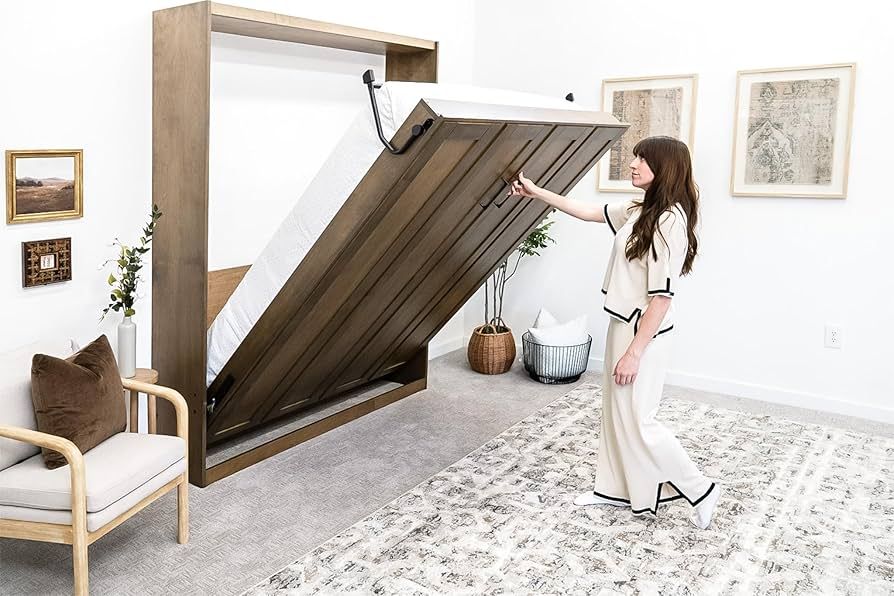
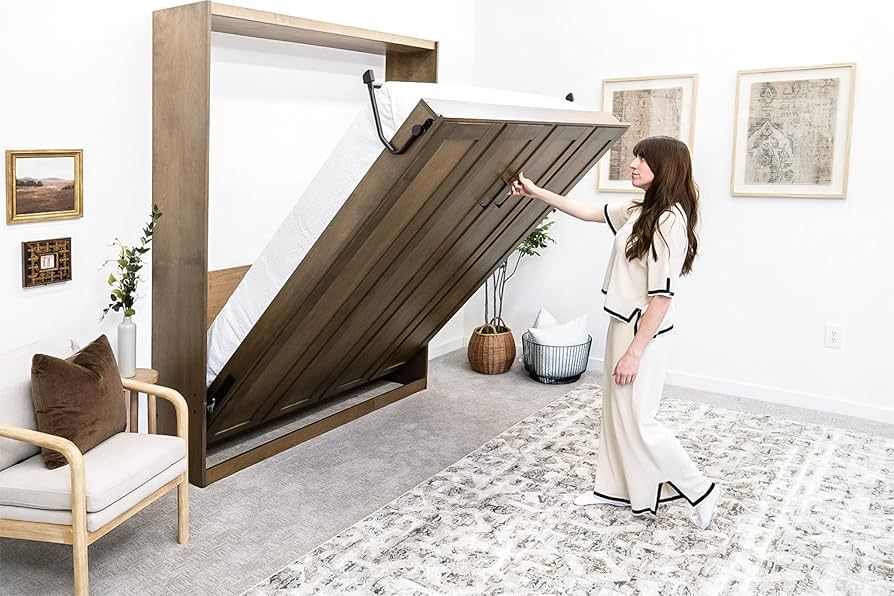
Convertible beds are multifunctional furniture pieces designed to save space and offer versatility. These beds can transform from one form to another such as a sofa into a bed, a bunk bed into two singles, or even a wall-mounted bed that folds into the wall when not in use. They exist to help people make better use of limited space in homes, apartments, or guest rooms.
The idea of convertible beds emerged as urban living spaces became more compact, especially in cities where every square foot counts. Over time, innovations have made these beds more practical, stylish, and suitable for a wide range of users, from students to families to professionals.
Why Convertible Beds Matter Today
With urbanization on the rise and home sizes shrinking globally, convertible furniture has become more important than ever. People are looking for functional solutions that support modern lifestyles.
Who Benefits:
-
City dwellers: Especially those in apartments or studio flats with limited square footage.
-
Families: Offering extra sleeping space for guests or growing children.
-
Students: Ideal for dorms or rented accommodation.
-
Remote workers: Allowing a room to serve as both office and bedroom.
What Problems They Solve:
-
Space constraints in small living areas
-
Need for multipurpose rooms (e.g., office by day, bedroom by night)
-
Occasional guest accommodations
-
Budget restrictions when buying multiple furniture items
Recent Updates and Trends (2024–2025)
Convertible beds have evolved considerably over the past few years. Manufacturers now offer more designs tailored to modern aesthetics and enhanced usability. Here are some notable trends and updates from the last year:
| Trend | Details |
|---|---|
| Smart Integration | Some new models offer smart lifting mechanisms and app-based controls. |
| Eco-friendly Materials | Increasing use of sustainable wood and recycled materials in bed frames. |
| Compact Mechanisms | Slimmer folding systems that allow for easier transition and better safety. |
| Modular Designs | Beds that convert into multiple forms, like sofa+desk+bed combinations. |
| Remote-Control Features | Introduced in 2024, available in higher-end convertible models. |
Laws, Safety Standards, and Regulations
While there are no universal laws specific to convertible beds, several countries and regions impose general furniture safety regulations that manufacturers must follow. Below are some key considerations based on location:
United States:
-
CPSC Compliance: Beds must follow Consumer Product Safety Commission standards, especially if intended for children.
-
ASTM Standards: Convertible bunk beds must meet structural stability criteria under ASTM International guidelines.
European Union:
-
EN 747: Safety standard for bunk beds and high beds, including convertible types.
-
CE Marking: Ensures materials and mechanisms meet EU health, safety, and environmental protection standards.
India:
-
BIS (Bureau of Indian Standards) has voluntary certification guidelines but is moving towards stricter standards for child safety and fire resistance in urban housing solutions.
Tip: Always look for safety certifications and locking mechanisms when selecting a convertible bed, especially if it's for children or elderly users.
Tools, Apps, and Resources
To help users make better decisions when choosing or installing a convertible bed, several tools and services are available:
Online Tools and Apps:
-
Room Planner by Planner 5D: A free design app for visualizing convertible furniture in your space.
-
MagicPlan (iOS/Android): Helps you map room dimensions to check fit and layout.
-
Wayfair Room Ideas Tool: Offers visuals for how beds fit with other furniture in a room.
Helpful Websites:
-
Consumer Reports: For bed durability and safety rankings.
-
The Sleep Foundation: Offers advice on mattresses suitable for convertible beds.
-
Houzz: For design inspiration and user reviews.
Services:
-
Professional Installers: Some retailers partner with local installation services to assemble convertible beds safely.
-
Furniture Recycling Programs: Eco-conscious disposal for older or replaced furniture.
Frequently Asked Questions (FAQs)
1. What types of convertible beds are available?
Convertible beds come in several forms:
-
Sofa Beds (Pull-out): A sofa that unfolds into a full-size or queen bed.
-
Futons: Simple fold-down sofas often used in guest rooms.
-
Murphy Beds (Wall Beds): Fold up vertically into a wall or cabinet.
-
Daybeds: Function as seating during the day and a bed at night.
-
Loft Beds with Convertible Desk or Couch: Common in children’s and teen rooms.
2. Are convertible beds comfortable for daily use?
Yes, but comfort depends on the mattress and mechanism quality. Look for:
-
High-density foam or memory foam mattresses
-
Smooth folding frames
-
Reinforced joints and sturdy bases
Some models are better suited for occasional use, while others are designed for everyday sleep.
3. Do convertible beds require special mattresses?
Not always. Many use standard-size mattresses (twin, full, or queen), but certain types like futons or Murphy beds may require thinner or custom-fit mattresses for smooth folding and storage.
4. How do I maintain a convertible bed?
-
Lubricate moving parts annually or as needed.
-
Check joints and fasteners for loosening.
-
Clean upholstery with manufacturer-approved cleaners.
-
Rotate mattresses every few months to maintain shape.
5. Is a convertible bed safe for children?
Yes, if it meets safety standards and includes:
-
Guardrails (for loft/bunk types)
-
Secure locking mechanisms
-
Rounded edges
-
Low-to-ground designs for younger children
Always supervise young children using loft or foldable designs.
Conclusion
Convertible beds are an effective and smart solution for modern living challenges, offering space efficiency without sacrificing comfort or utility. From urban apartments to multipurpose guest rooms, these beds provide practical ways to make the most of any space.
As designs become more advanced and environmentally conscious, they continue to grow in popularity across age groups and living situations. Whether you're furnishing a small flat or looking for guest accommodations without adding clutter, understanding the types, features, and safety aspects of convertible beds is essential for making the right choice.
By staying informed and using available tools, you can confidently choose a convertible bed that suits your space, lifestyle, and budget without compromising on safety or functionality.