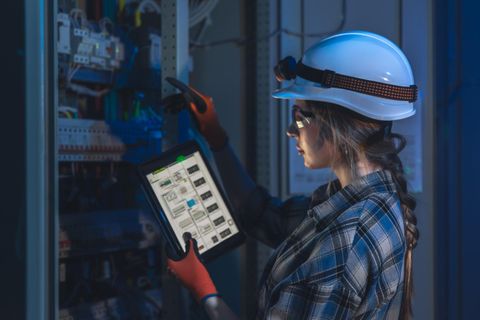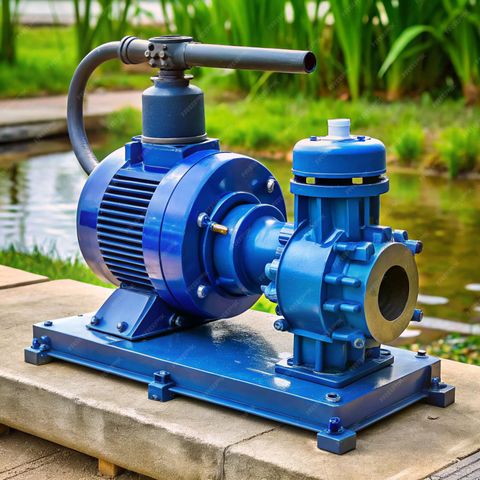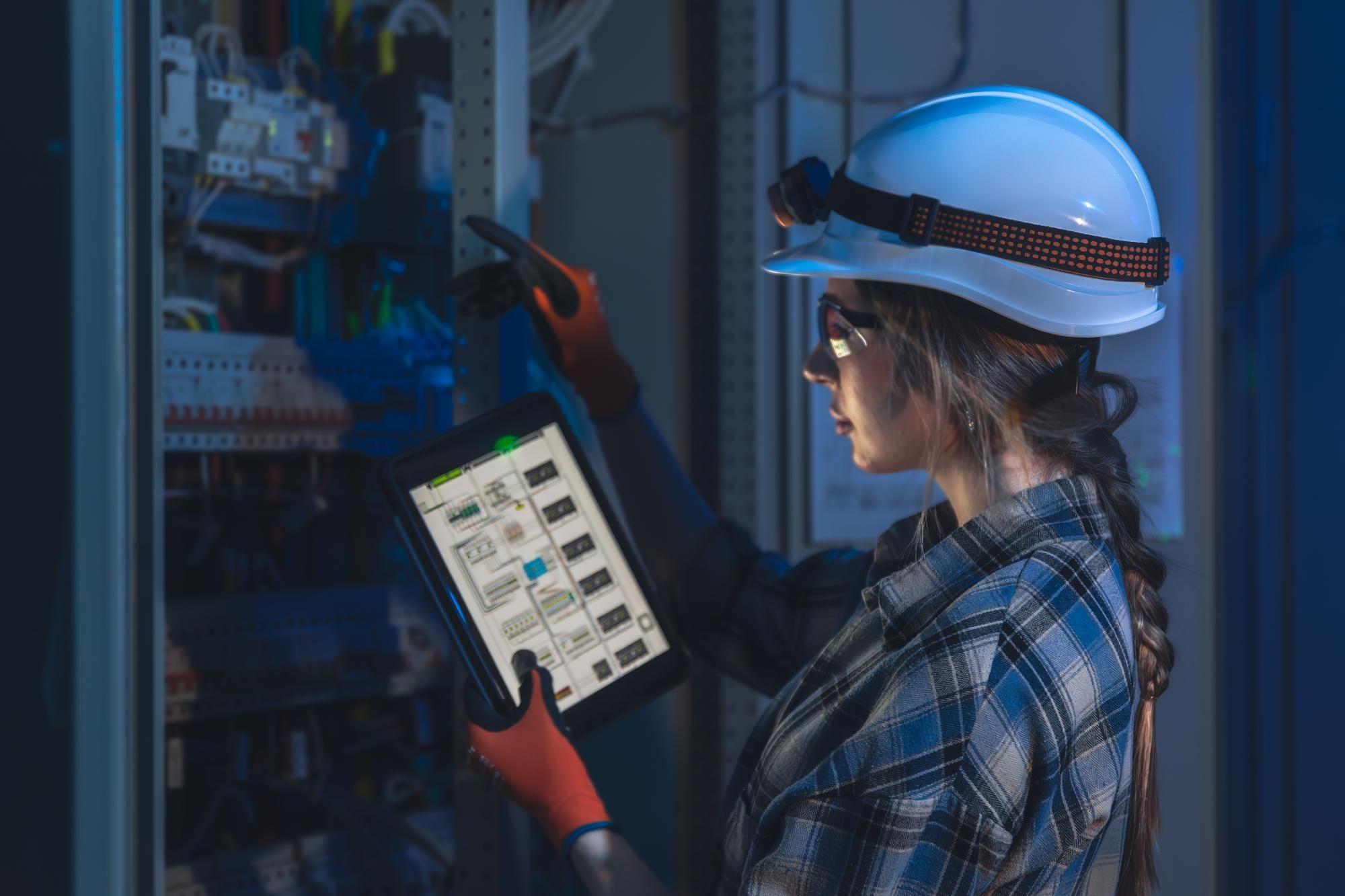
Industrial automation refers to the use of machines, control systems, and technologies to operate industrial processes with minimal human intervention. It has evolved from simple mechanical systems used during early manufacturing to complex digital networks that manage entire production facilities. At the center of these operations are industrial control systems and automation control systems, which ensure that machines and processes function safely and efficiently.
nitor emissions and waste. Industrial automation systems are commonly used to track and control these parameters, helping facilities remain within permitted limits.
International standards also influence industrial automation. For example:
- IEC 61131 relates to programmable logic controllers (PLCs), which are widely used in automation control systems
- ISO 9001 focuses on quality management systems, often supported by automated processes
- ISO 14001 addresses environmental management, where automation helps monitor compliance
These rules and standards guide the development and operation of industrial automation systems, ensuring that they function safely and consistently.
Tools and Resources
A range of tools and platforms support the design, implementation, and monitoring of industrial automation systems. These resources are used by engineers, technicians, and operators to manage complex processes.
Design and Simulation Tools
Automation panel design often begins with software that allows engineers to create electrical schematics and layouts. Common tools include:
- CAD software, which helps design panel layouts and wiring diagrams
- Simulation platforms, which allow testing of automation control systems before physical installation
- PLC programming environments, used to develop and test control logic
Monitoring and Control Platforms
Industrial control systems rely on software interfaces that display system status and allow user interaction. These include:
- SCADA (Supervisory Control and Data Acquisition) systems, which provide real-time monitoring
- HMI (Human-Machine Interface) panels, which allow operators to control machines
- Data logging tools, which record system performance for analysis
Communication Protocols
Modern industrial automation systems depend on communication between devices. Common protocols include:
- Modbus, used for simple device communication
- Ethernet/IP, used in networked industrial environments
- Profibus, used in process automation
Example Comparison Table
| Component Type | Function | Common Use Case |
|---|---|---|
| PLC (Programmable Logic Controller) | Executes control logic | Machine control in factories |
| HMI (Human-Machine Interface) | Displays system data and controls | Operator interaction |
| SCADA System | Monitors and supervises processes | Large-scale industrial operations |
| Sensors | Collect data (temperature, pressure) | Process monitoring |
| Actuators | Perform actions (move, open, close) | Mechanical operations |
These tools and components work together to create effective automation control systems that can manage complex industrial tasks.
FAQs
What are industrial automation systems?
Industrial automation systems are integrated setups that use machines, sensors, and control software to manage industrial processes. They reduce manual intervention and improve consistency in operations.
How do industrial control systems work?
Industrial control systems collect data from sensors, process it using controllers like PLCs, and send commands to actuators. This cycle allows machines to respond automatically to changing conditions.
What is automation panel design?
Automation panel design involves creating the physical enclosure that houses electrical components such as controllers, relays, and wiring. It ensures that all parts are organized, protected, and connected properly.
Why are automation control systems important in manufacturing?
Automation control systems help maintain product consistency, improve operational efficiency, and enhance safety. They also allow processes to run continuously with minimal human involvement.
Are industrial automation systems secure?
Security depends on how systems are designed and maintained. Modern industrial automation systems include measures such as network protection, access control, and monitoring to reduce risks related to unauthorized access.
Conclusion
Industrial automation and industrial control systems form the backbone of many modern industries. They enable efficient, consistent, and safe operation of complex processes through the integration of hardware and software. Advances in connectivity, data analysis, and modular design continue to shape how automation control systems are developed and used. Regulations and standards guide their implementation, ensuring reliability and safety. Overall, industrial automation systems remain an essential part of infrastructure that supports everyday life.