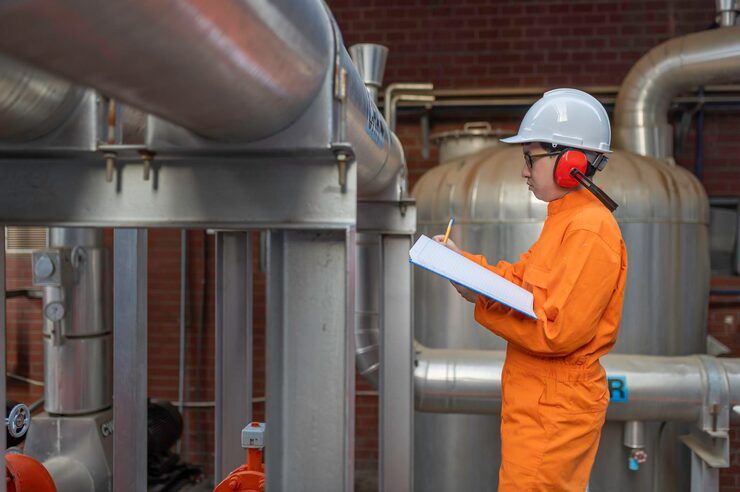
Industrial boilers are essential systems used to generate steam or hot water for various industrial processes, including power generation, manufacturing, chemical processing, and food production. These systems convert energy—typically from fuels such as coal, natural gas, oil, or biomass—into heat, which is then transferred to water to produce steam under controlled pressure and temperature conditions.
In recent years, industrial boilers have gained increased attention due to global energy efficiency goals, stricter environmental regulations, and the transition toward cleaner energy systems. Industries are actively exploring advanced boiler technologies that reduce emissions, improve fuel efficiency, and integrate with digital monitoring systems.
The comparison of different boiler processes and methods matters today because industries must balance operational efficiency, environmental compliance, and cost-effectiveness. Trends such as automation, waste heat recovery, and hybrid energy systems are reshaping how boilers operate. As industries move toward sustainability, understanding boiler types, processes, and operational methods becomes critical for engineers, plant managers, and decision-makers.
Who It Affects and What Problems It Solves
Industrial boilers impact a wide range of sectors, including manufacturing, textiles, food processing, pharmaceuticals, chemicals, and power plants. Any industry that requires controlled heating, sterilization, or energy transfer relies on boilers as a core component of operations.
For plant operators and engineers, boilers are central to maintaining production continuity. Inefficient boiler systems can lead to increased fuel consumption, higher operational costs, and production downtime. Environmental managers are also affected, as boiler emissions contribute to air pollution and must comply with regulatory standards.
From an economic perspective, businesses must manage rising fuel costs while maintaining output efficiency. Governments and regulatory bodies are concerned with emissions control, energy conservation, and safety compliance.
Problems Industrial Boilers Solve
- Provide consistent and reliable heat or steam for industrial processes
- Enable large-scale energy conversion for manufacturing and power generation
- Support sterilization, drying, and chemical reactions
- Improve process efficiency through controlled temperature and pressure
- Facilitate energy recovery and reuse in integrated systems
Without industrial boilers, many industries would struggle to maintain efficiency, safety, and productivity.
Recent Updates and Trends
Over the past year, several important developments have influenced industrial boiler systems:
Shift Toward Low-Emission Technologies
Industries are adopting cleaner fuels such as natural gas, hydrogen blends, and biomass to reduce carbon emissions. This aligns with global decarbonization goals.
Digital Monitoring and Automation
Smart sensors and IoT-based systems are increasingly used to monitor boiler performance in real time. Predictive maintenance reduces downtime and improves safety.
Energy Efficiency Improvements
Advanced heat exchangers and condensing boilers are improving thermal efficiency, reducing fuel consumption significantly compared to traditional systems.
Waste Heat Recovery Systems
Many industries are integrating waste heat recovery units to reuse excess heat, improving overall plant efficiency.
Stricter Environmental Regulations
Governments have introduced tighter emission standards, pushing industries to upgrade or replace outdated boiler systems.
Industrial Boiler Types and Methods Comparison
| Boiler Type | Working Method | Efficiency Level | Fuel Type | Key Applications |
|---|---|---|---|---|
| Fire-Tube Boiler | Hot gases pass through tubes in water | Moderate | Gas, Oil | Small industries, heating systems |
| Water-Tube Boiler | Water flows inside tubes, heated outside | High | Coal, Gas, Biomass | Power plants, large industries |
| Electric Boiler | Uses electricity for heating | Very High | Electricity | Clean environments, small scale |
| Biomass Boiler | Burns organic material | Moderate-High | Biomass | Renewable energy applications |
| Condensing Boiler | Recovers heat from exhaust gases | Very High | Gas | Energy-efficient operations |
Key Observations
- Water-tube boilers dominate large-scale industries due to higher efficiency and capacity.
- Electric and condensing boilers are gaining popularity for sustainability goals.
- Biomass boilers are expanding in regions focusing on renewable energy adoption.
Laws and Policies Affecting Industrial Boilers
Industrial boiler operations are heavily influenced by environmental and safety regulations. These policies vary by country but generally focus on emissions control, energy efficiency, and workplace safety.
Environmental Regulations
Governments enforce limits on emissions such as carbon dioxide (CO₂), nitrogen oxides (NOx), and sulfur dioxide (SO₂). Industries must install pollution control systems like scrubbers and filters.
Energy Efficiency Standards
Programs promoting energy conservation encourage the use of high-efficiency boilers and waste heat recovery systems. Incentives may be available for adopting cleaner technologies.
Safety Compliance
Boilers operate under high pressure, making safety standards critical. Regular inspections, certifications, and operator training are mandatory to prevent accidents.
Practical Guidance
- Use high-efficiency or condensing boilers where fuel savings are a priority
- Adopt biomass or hybrid systems where renewable energy policies are strong
- Upgrade monitoring systems to meet digital compliance requirements
- Ensure regular inspections and certifications to maintain safety standards
Tools and Resources
Several tools and resources can help industries manage and optimize boiler systems:
Monitoring and Optimization Tools
- Energy management software for tracking fuel consumption
- IoT-based sensors for real-time performance monitoring
- Predictive maintenance platforms to reduce downtime
Calculators and Software
- Boiler efficiency calculators
- Steam load estimation tools
- Fuel cost comparison models
Industry Standards and Guidelines
- Boiler operation manuals and safety checklists
- Environmental compliance documentation
- Technical standards from engineering organizations
Training and Learning Resources
- Online courses in thermal engineering
- Certification programs for boiler operators
- Technical publications and industry reports
Frequently Asked Questions (FAQs)
What is the main purpose of an industrial boiler?
An industrial boiler generates steam or hot water for use in manufacturing processes, power generation, and heating applications.
Which boiler type is most efficient?
Condensing and water-tube boilers are generally the most efficient due to advanced heat recovery and design features.
How do industrial boilers impact the environment?
They emit gases such as CO₂ and NOx, but modern systems reduce emissions through cleaner fuels and improved efficiency.
What fuels are commonly used in industrial boilers?
Common fuels include natural gas, coal, oil, electricity, and biomass.
How can boiler efficiency be improved?
Efficiency can be improved through regular maintenance, upgrading to modern systems, using waste heat recovery, and optimizing fuel usage.
Conclusion
Industrial boilers remain a cornerstone of modern industry, supporting energy-intensive processes across multiple sectors. Data trends show a clear shift toward higher efficiency systems, cleaner fuels, and digital integration. Water-tube and condensing boilers currently lead in performance and sustainability, while biomass and electric systems are gaining traction in environmentally focused applications.
The most suitable boiler system depends on operational scale, fuel availability, regulatory requirements, and sustainability goals. For industries aiming to balance efficiency and environmental responsibility, investing in advanced boiler technologies and monitoring systems is a practical and forward-looking approach.