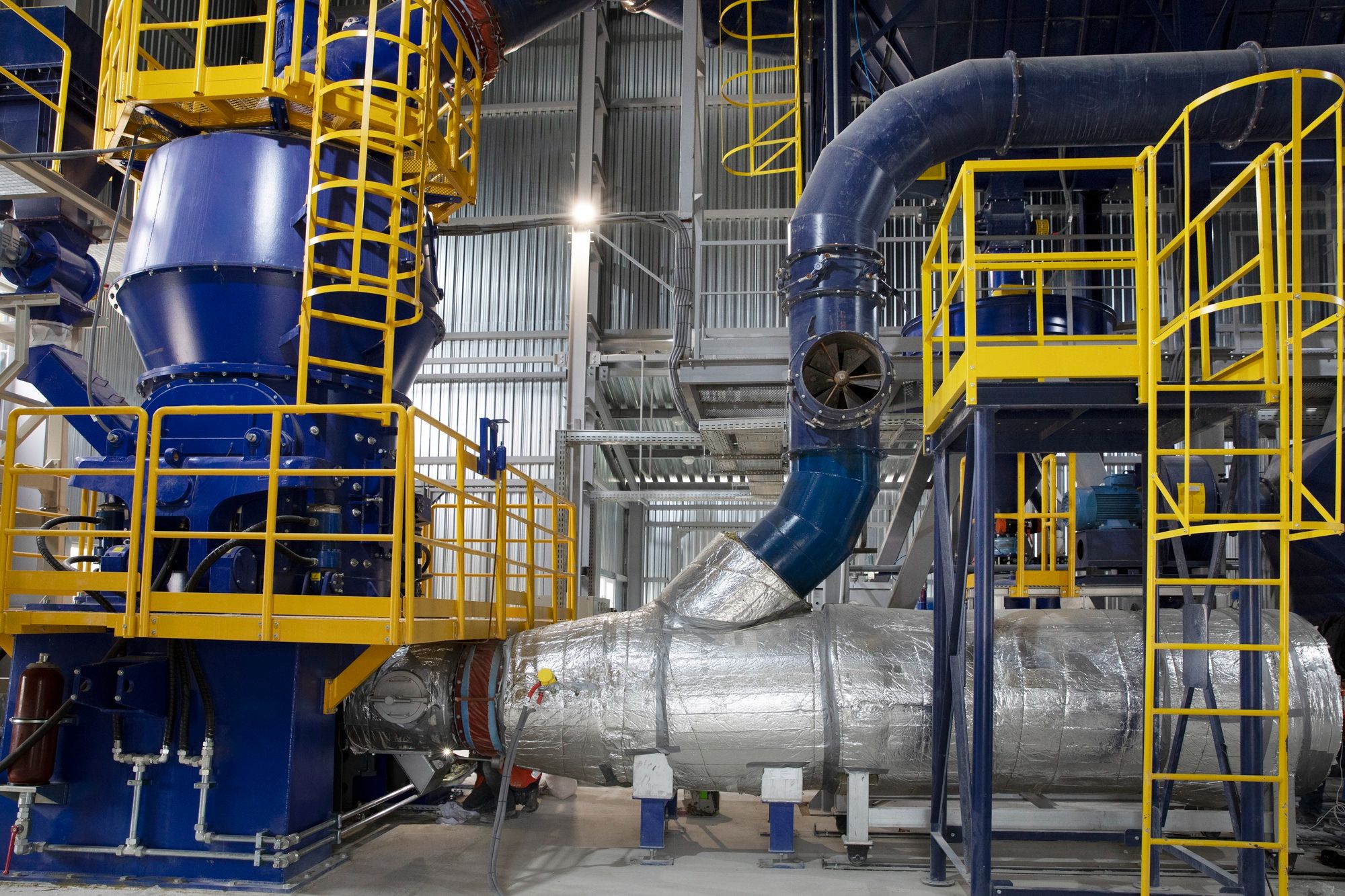
Industrial gas systems are integrated setups used to produce, store, transport, and monitor gases that support manufacturing, healthcare, energy production, and other sectors. Common gases include oxygen, nitrogen, hydrogen, carbon dioxide, and compressed air. These gases are essential in processes such as welding, chemical reactions, food preservation, and medical treatment.
The development of industrial gas systems has evolved alongside industrial growth. Early systems were simple and localized, often limited to small-scale production and manual handling. Over time, advances in engineering introduced complex industrial gas pipeline design, automated controls, and centralized industrial gas plant design. These improvements allow gases to be delivered efficiently across large facilities or even between different sites.
Today, industrial gas systems combine physical infrastructure—such as pipelines, storage tanks, and compressors—with digital technologies that monitor and control operations. The goal is to ensure that gases are delivered safely, consistently, and in the required quantities.
Importance
Industrial gas systems play a critical role in everyday life, even if they are not always visible. They support industries that produce food, medicines, construction materials, and energy. For example, oxygen is used in hospitals, while nitrogen helps preserve packaged foods. Hydrogen is increasingly used in clean energy initiatives.
These systems address several practical challenges:
- Reliable supply of gases: Industries depend on uninterrupted gas flow to maintain production.
- Safety concerns: Many gases are flammable, toxic, or stored under high pressure, making industrial gas safety systems essential.
- Efficiency needs: Proper industrial gas compression systems help maintain pressure and reduce energy use.
- Environmental considerations: Modern systems aim to minimize leaks and emissions through advanced industrial gas leak detection systems.
For the general public, the importance lies in the indirect benefits—safe medical treatments, stable energy supply, and consistent product quality. Poorly managed systems can lead to accidents, environmental harm, or supply disruptions, which can affect communities and industries alike.
Recent Updates
Between 2024 and 2026, industrial gas systems have seen several notable developments driven by digitalization, sustainability goals, and stricter safety expectations.
Integration of Digital Monitoring
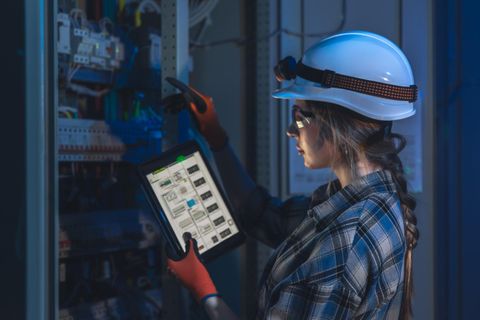
Industrial gas systems increasingly use sensors and data analytics to monitor pressure, temperature, and flow rates in real time. This allows operators to detect irregularities early and respond quickly. Digital twins—virtual models of physical systems—are also being used to simulate industrial gas pipeline design and optimize performance before implementation.
Focus on Hydrogen Infrastructure
Hydrogen has gained attention as a cleaner energy source. This has led to updates in industrial gas plant design to support hydrogen production, storage, and distribution. Specialized pipelines and materials are required due to hydrogen’s unique properties, such as its small molecular size and potential for leakage.
Advanced Leak Detection Technologies
Modern industrial gas leak detection systems now use technologies such as infrared sensors, ultrasonic detection, and wireless networks. These systems can identify even small leaks, helping reduce risks and environmental impact.
Energy Efficiency in Compression Systems
Industrial gas compression systems are being redesigned to use less energy. Variable speed drives and improved compressor designs allow systems to adjust output based on demand, reducing unnecessary energy consumption.
Modular Plant Designs
Industrial gas plant design has shifted toward modular construction. Prefabricated units can be assembled more quickly and adapted to different locations, making system deployment more flexible.
Laws or Policies
Industrial gas systems are regulated to ensure safety, environmental protection, and operational reliability. In India, several frameworks influence how these systems are designed and managed.
Safety Regulations
The Petroleum and Explosives Safety Organization (PESO) oversees the handling and storage of compressed gases. Regulations cover:
- Storage tank design and placement
- Pressure vessel standards
- Transportation of gas cylinders
These rules aim to reduce the risk of accidents such as explosions or leaks.
Environmental Guidelines
The Central Pollution Control Board (CPCB) sets standards for emissions and environmental impact. Industrial gas plants must monitor and control emissions, especially when dealing with gases that contribute to air pollution or climate change.
Occupational Safety Standards
Workplace safety is governed by frameworks such as the Factories Act and related rules. These include requirements for:
- Proper ventilation
- Emergency response systems
- Worker training in handling gases
Industrial gas safety systems are often designed to comply with these standards, ensuring safe working conditions.
International Standards
Many industrial facilities also follow global standards such as:
- ISO 45001 for occupational health and safety
- ISO 14001 for environmental management
- ASME codes for pressure vessel design
These standards help align industrial gas pipeline design and plant operations with widely accepted engineering practices.
Tools and Resources
A variety of tools and platforms support the planning, operation, and monitoring of industrial gas systems. These resources help engineers and operators manage complex processes more effectively.
Design and Simulation Software
Software tools are used to model industrial gas plant design and pipeline layouts. These platforms allow users to simulate flow rates, pressure changes, and system behavior under different conditions.
- CAD tools for layout planning
- Process simulation software for gas flow analysis
- Digital twin platforms for system optimization
Monitoring and Control Systems
Modern industrial gas systems rely on automated control systems to maintain stability.
- SCADA (Supervisory Control and Data Acquisition) systems for real-time monitoring
- PLC (Programmable Logic Controller) systems for automated control
- Sensor networks for detecting pressure, temperature, and leaks
Leak Detection Technologies
Industrial gas leak detection systems include both fixed and portable devices.
- Infrared detectors for identifying gas concentrations
- Ultrasonic sensors for detecting high-pressure leaks
- Wearable detectors for worker safety
Data Management Tools
Data collected from industrial gas systems can be analyzed to improve performance.
- Cloud-based platforms for storing and analyzing data
- Predictive maintenance tools to identify potential equipment failures
- Reporting tools for regulatory compliance
Example Comparison of System Components
| Component Type | Function | Key Consideration |
|---|---|---|
| Pipeline Systems | Transport gases | Material compatibility |
| Compression Systems | Maintain pressure levels | Energy efficiency |
| Storage Tanks | Store gases safely | Pressure and temperature |
| Leak Detection Systems | Identify gas leaks | Sensitivity and response time |
| Control Systems | Monitor and automate operations | Reliability and accuracy |
FAQs
What are industrial gas systems used for?
Industrial gas systems are used to produce, store, and distribute gases like oxygen, nitrogen, and hydrogen. These gases support industries such as healthcare, manufacturing, and energy production.
How does industrial gas pipeline design ensure safety?
Industrial gas pipeline design focuses on selecting appropriate materials, maintaining proper pressure levels, and including safety features such as valves and monitoring systems. These measures help prevent leaks and ensure stable gas flow.
What is included in industrial gas plant design?
Industrial gas plant design includes equipment for gas production, storage tanks, pipelines, compression systems, and control systems. The design also considers safety, efficiency, and environmental impact.
Why are industrial gas safety systems important?
Industrial gas safety systems help detect leaks, control pressure, and manage emergency situations. They reduce the risk of accidents involving hazardous or high-pressure gases.
How do industrial gas leak detection systems work?
Industrial gas leak detection systems use sensors to identify the presence of gases in the air. Technologies such as infrared and ultrasonic detection can quickly locate leaks, allowing timely action.
Conclusion
Industrial gas systems form a foundational part of modern infrastructure, supporting a wide range of industries and daily activities. From industrial gas pipeline design to advanced safety technologies, these systems are built to ensure reliability and protection. Recent developments highlight a shift toward digital monitoring, energy efficiency, and cleaner energy integration. Regulations and standards continue to guide safe and responsible operations. Understanding these systems helps explain how essential resources are managed and delivered in a complex industrial environment.