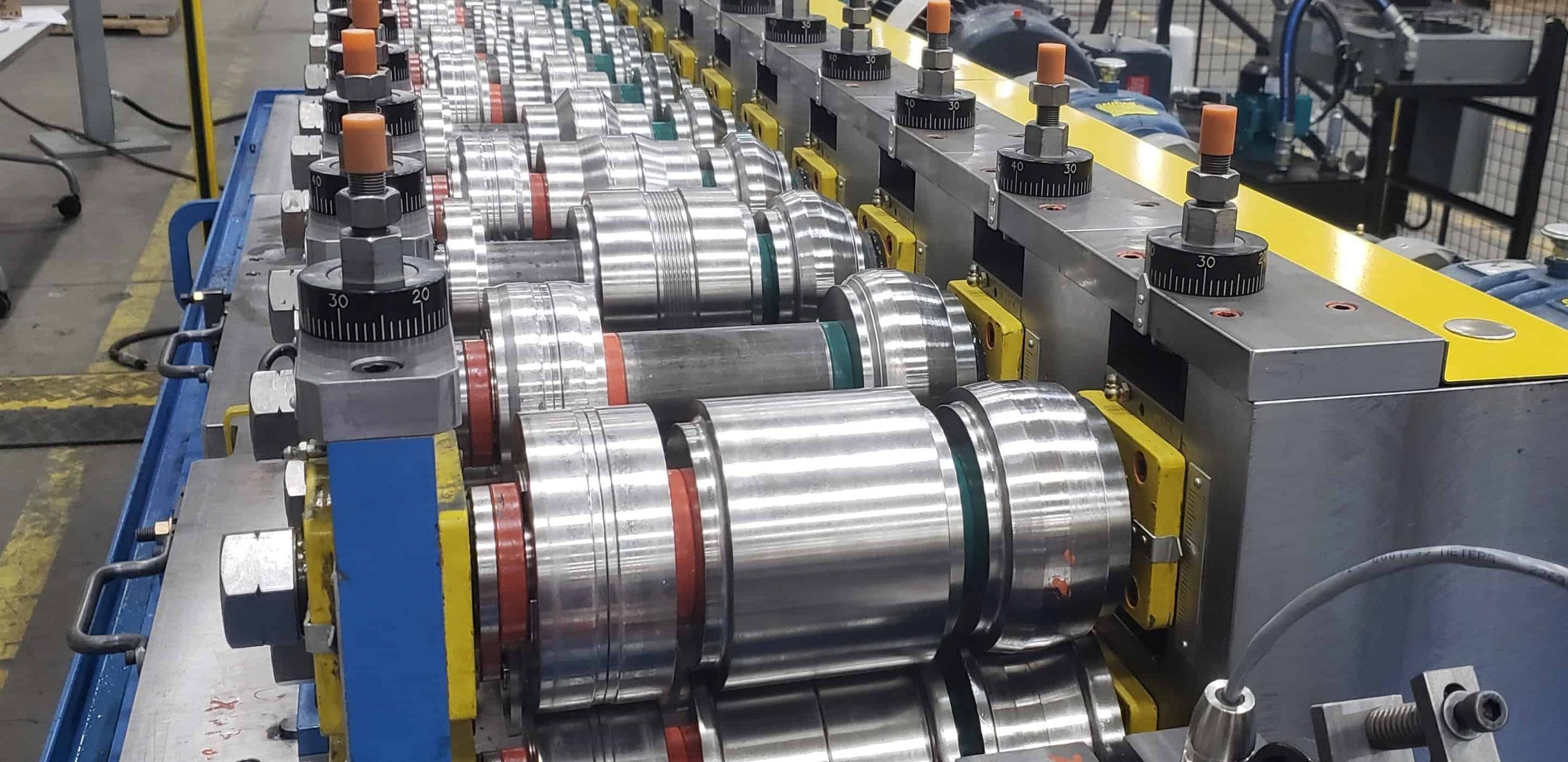
Roll forming machines are industrial systems used to shape metal sheets into specific profiles through a continuous bending process. Instead of cutting or stamping, the metal strip passes through multiple sets of rollers, each gradually forming the desired shape. This method is widely used in manufacturing industries where uniformity, efficiency, and precision are important.
The concept exists because industries require a reliable way to produce long, consistent metal components such as panels, channels, roofing sheets, and structural parts. Traditional forming techniques often involve interruptions, but roll forming operates continuously, making it suitable for large-scale production.
Roll forming is commonly associated with materials like steel, aluminum, and copper. The process is controlled by machine configurations, including roller stations, feeding systems, and cutting mechanisms. With increasing demand for automation and high-precision manufacturing, roll forming technology has evolved to include advanced control systems and digital monitoring.
Why Roll Forming Machines Matter in Modern Manufacturing
Roll forming machines play a significant role in today’s industrial ecosystem, especially in sectors such as construction, automotive manufacturing, and infrastructure development. Their importance comes from their ability to deliver consistent results at high production speeds.
Key reasons why roll forming machines are relevant today include:
-
High Production Efficiency: Continuous operation reduces downtime and increases output
-
Material Optimization: Minimizes waste compared to traditional metal forming methods
-
Precision Engineering: Produces uniform cross-sections with tight tolerances
-
Automation Integration: Compatible with CNC systems and industrial automation setups
These machines directly impact manufacturers, engineers, and supply chains by improving productivity and reducing variability. They also address challenges such as material wastage, inconsistent product quality, and slower production cycles.
The demand for lightweight yet strong materials in automotive and construction sectors has further increased reliance on roll forming processes. This makes roll forming machines essential for producing structural components with consistent strength and shape.
Recent Developments and Industry Trends
Recent advancements in roll forming technology highlight a shift toward automation, digital monitoring, and energy-efficient systems. Manufacturers are increasingly integrating smart technologies into roll forming lines.
Some notable trends include:
-
Digital Control Systems: Modern machines use programmable logic controllers (PLC) for precise adjustments
-
IoT Integration: Real-time monitoring of machine performance and production metrics
-
Energy Efficiency Improvements: Reduced power consumption through optimized motor systems
-
Flexible Roll Tooling: Quick changeover systems for multiple profile production
Another emerging trend is the adoption of predictive maintenance. Sensors installed in roll forming machines can detect wear and performance issues early, helping reduce downtime.
Additionally, there is growing interest in sustainable manufacturing practices. Industries are focusing on reducing scrap material and optimizing resource usage, which aligns well with the roll forming process.
Regulatory Framework and Industrial Compliance
Roll forming machines operate within a framework of industrial standards and safety regulations. These rules ensure worker safety, machine reliability, and environmental compliance.
Key regulatory considerations include:
-
Workplace Safety Standards: Machines must include safety guards, emergency stop systems, and operator protection mechanisms
-
Electrical Compliance: Adherence to industrial electrical safety norms for automated systems
-
Environmental Guidelines: Control of noise, emissions, and waste materials during production
-
Quality Standards: Compliance with manufacturing certifications such as ISO standards
Government policies in manufacturing-focused regions often encourage automation and efficient production methods. These policies may include incentives for adopting advanced machinery or improving production efficiency.
Industrial compliance also extends to operator training and maintenance protocols. Proper handling of roll forming machines reduces risks and ensures consistent output quality.
Tools, Resources, and Industrial Support Systems
Understanding roll forming machines becomes easier with the help of various tools and resources used in industrial settings. These tools assist in design, analysis, and process optimization.
Common tools and resources include:
-
CAD Software: Used for designing metal profiles and machine components
-
Simulation Software: Helps predict forming behavior and material deformation
-
Production Calculators: Estimate output rates, material usage, and efficiency
-
Machine Monitoring Systems: Track performance and detect operational issues
Below is a simple overview table of key components in a roll forming system:
| Component | Function Description |
|---|---|
| Decoiler | Holds and feeds metal coil into the machine |
| Roller Stations | Gradually shape the metal strip |
| Cutting System | Cuts formed profiles to required length |
| Control Panel | Manages machine operations and settings |
| Run-Out Table | Collects finished products |
These resources support engineers and operators in improving productivity and maintaining consistent quality.
A simplified process flow can be visualized as:
Metal Coil → Feeding System → Roller Stations → Cutting Unit → Finished Profile
This continuous flow highlights the efficiency of roll forming compared to batch-based manufacturing methods.
Common Questions About Roll Forming Machines
What materials can be used in roll forming machines?
Roll forming machines are typically used with metals such as steel, aluminum, copper, and alloys. The material must have sufficient ductility to be shaped without cracking.
How is roll forming different from stamping?
Roll forming is a continuous process that gradually shapes metal, while stamping involves pressing metal into shape using dies. Roll forming is better suited for long profiles with consistent cross-sections.
Are roll forming machines suitable for small-scale production?
They are generally more efficient for high-volume production. However, with flexible tooling systems, they can also be adapted for smaller production runs.
What industries use roll forming machines the most?
Common industries include construction, automotive, aerospace, and electrical equipment manufacturing.
How is quality maintained in roll forming?
Quality is controlled through precise roller design, machine calibration, and real-time monitoring systems. Consistent input material also plays a crucial role.
Conclusion
Roll forming machines represent a critical part of modern manufacturing processes. Their ability to produce consistent, high-quality metal profiles in a continuous manner makes them highly efficient and reliable. As industries continue to evolve, these machines are becoming more advanced with the integration of automation, digital monitoring, and energy-efficient technologies.
Understanding how roll forming works, its importance, and the tools involved helps provide a clear picture of its role in industrial production. With ongoing advancements and increasing demand for precision manufacturing, roll forming machines will continue to be a key component in shaping industrial output.
This topic remains relevant for engineers, manufacturers, and anyone interested in industrial processes, offering valuable insights into one of the most efficient metal forming techniques used today.