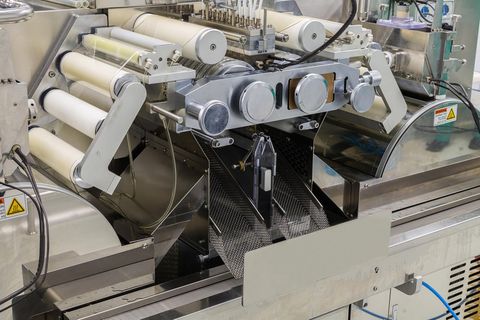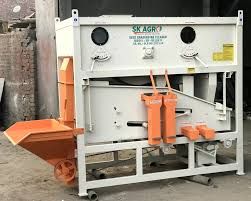
Seed grader machines play an important role in agriculture by helping separate, clean, and classify seeds before planting or storage. A seed cleaning and grading machine is designed to remove unwanted materials such as dust, broken seeds, stones, and other impurities. It also sorts seeds based on size, weight, or shape, ensuring consistency in quality.
Historically, farmers relied on manual methods like sieving and hand sorting. While these methods worked on a small scale, they were time-consuming and less precise. As agriculture expanded and demand for uniform crop quality increased, mechanical solutions such as the seed grader machine and seed processing machine became more common.
Today, seed sorting machines are used across farms, cooperatives, and processing units. They are part of a broader system known as seed processing, which includes cleaning, grading, treating, and packaging seeds. Understanding how these machines work and the different seed grader capacity and types helps clarify their role in modern agriculture.
Importance
Seed quality has a direct impact on crop yield, plant health, and overall agricultural productivity. Poor-quality seeds may lead to uneven germination, reduced growth, and increased vulnerability to pests or diseases. Seed cleaning machines help address these issues by ensuring that only healthy and properly sized seeds are selected.
Several groups benefit from seed processing technology:
- Farmers rely on uniform seeds for better crop outcomes
- Agricultural institutions use graded seeds for research and trials
- Seed producers maintain consistency for distribution and storage
One key challenge in agriculture is maintaining seed purity. Contaminants like weed seeds or damaged grains can affect entire fields. A seed sorting machine helps minimize this risk by separating unwanted materials effectively.
Another issue is efficiency. Manual sorting becomes impractical when dealing with large volumes. Machines with defined seed grader capacity and types allow faster processing while maintaining consistency.
Recent Updates
Modern seed processing technology has evolved significantly between 2024 and 2026. The focus has shifted toward automation, precision, and data-driven systems.
Automation and Smart Controls
Many seed processing machines now include automated controls. Sensors monitor seed flow, size distribution, and impurity levels. These systems adjust machine settings in real time, improving sorting accuracy without constant manual intervention.
Optical Sorting Technology
Advanced seed sorting machines use optical sensors and cameras to detect differences in color, shape, and surface texture. This allows identification of damaged or diseased seeds that may not be distinguishable through traditional mechanical grading.
Energy Efficiency
Manufacturers have been developing machines that consume less energy while maintaining performance. Improved motor designs and airflow systems contribute to reduced operational impact.
Compact and Modular Designs
Smaller, modular seed cleaning and grading machines are becoming more common. These designs allow flexibility, enabling users to scale operations based on need.
Integration with Digital Systems
Some seed processing setups now integrate with digital platforms for monitoring and reporting. This helps track seed quality metrics and processing volumes over time.
Laws or Policies
Seed processing and grading are influenced by agricultural regulations in many countries, including India. These rules aim to ensure seed quality, traceability, and fair practices.
Seed Certification Standards
Government bodies such as the Ministry of Agriculture and Farmers Welfare set standards for seed quality. Certified seeds must meet criteria related to purity, germination rate, and physical condition. Seed grader machines help achieve these standards by removing impurities and grading seeds accurately.
The Seeds Act and Related Rules
The Seeds Act, along with updated regulations, outlines requirements for labeling, testing, and distribution of seeds. Seed processing machines are often used in facilities that comply with these rules to ensure consistency.
Quality Control Measures
Processing units may be subject to inspections and testing procedures. Machines used in these units must be capable of maintaining defined quality levels, especially when seeds are intended for wider distribution.
Environmental Considerations
There is growing attention to dust control and waste management in seed processing facilities. Modern seed cleaning machine working systems often include dust collectors and filtration mechanisms to reduce environmental impact.
Tools and Resources
Understanding seed grader machines becomes easier with access to educational and technical resources. These tools provide insights into machine selection, operation, and maintenance.
Agricultural Research Institutions
Organizations such as agricultural universities and research centers publish guides on seed processing methods. These materials often explain seed grader capacity and types in detail.
Online Learning Platforms
Digital platforms provide tutorials and demonstrations of seed cleaning machine working processes. These include videos, diagrams, and step-by-step explanations.
Equipment Manuals and Technical Sheets
Manufacturers typically provide detailed manuals that describe machine components, capacity ranges, and operating principles. These documents help users understand how a seed processing machine functions.
Seed Testing Laboratories
Laboratories offer testing services to evaluate seed quality before and after processing. Reports from these labs help measure the effectiveness of a seed sorting machine.
Data Table: Common Seed Grader Capacity and Types
| Machine Type | Typical Capacity (kg/hour) | Key Function |
|---|---|---|
| Air Screen Cleaner | 500–5,000 | Removes dust and light impurities |
| Gravity Separator | 300–2,000 | Separates seeds by weight |
| Indented Cylinder Grader | 200–1,500 | Sorts seeds by length |
| Optical Sorter | 500–3,000 | Detects color and surface differences |
| Vibratory Separator | 400–2,500 | Grades seeds by size using sieves |
These capacities vary depending on machine design and operating conditions.
FAQs
What is a seed cleaning and grading machine?
A seed cleaning and grading machine is equipment used to remove impurities and sort seeds based on characteristics like size, weight, and shape. It improves seed quality and uniformity.
How does a seed cleaning machine working process function?
The seed cleaning machine working process typically involves multiple stages. Seeds pass through screens to remove large and small impurities, followed by airflow systems that separate lighter particles. Additional grading units may sort seeds further based on size or weight.
What are the main seed grader capacity and types?
Seed grader capacity and types vary widely. Common types include air screen cleaners, gravity separators, and optical sorters. Capacity depends on machine size and design, ranging from a few hundred to several thousand kilograms per hour.
What is the difference between a seed processing machine and a seed sorting machine?
A seed processing machine refers to a broader system that includes cleaning, grading, treating, and packaging. A seed sorting machine is a specific component focused on separating seeds based on defined characteristics.
Why is modern seed processing technology important?
Modern seed processing technology improves accuracy, efficiency, and consistency. It helps identify defects that may not be visible manually and supports large-scale agricultural operations.
Conclusion
Seed grader machines are essential tools in agriculture, supporting the preparation of high-quality seeds for planting and storage. By combining cleaning, sorting, and grading functions, these machines address challenges related to purity and efficiency. Advances in modern seed processing technology continue to improve precision and adaptability. Understanding seed grader capacity and types helps clarify how these machines fit into broader agricultural systems. Their role remains closely linked to maintaining consistent seed quality.