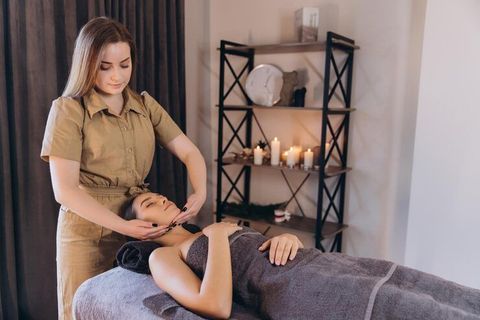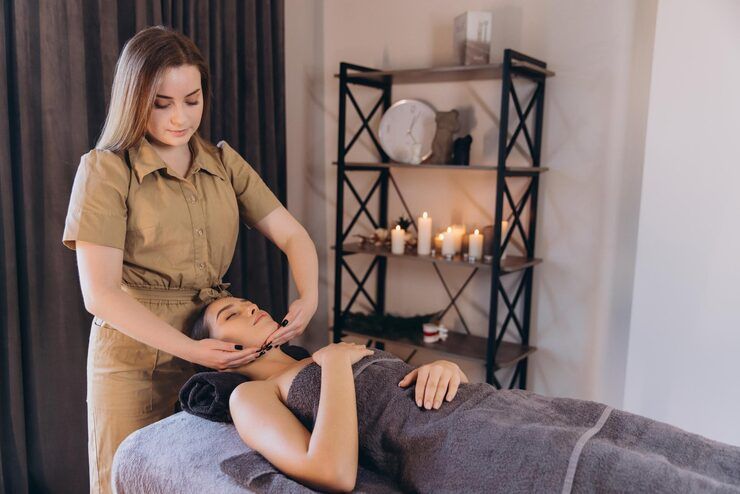
Spa massage is a therapeutic practice that involves structured techniques applied to the body to promote relaxation, improve circulation, and support overall well-being. It includes a variety of methods such as Swedish massage, deep tissue massage, aromatherapy, and hot stone therapy. Each method focuses on specific goals, ranging from stress relief to muscle recovery.
In recent years, spa massage has gained wider attention as part of preventive health and wellness routines rather than being viewed as a luxury service. Increased awareness around mental health, workplace stress, and lifestyle-related conditions has contributed to this shift. Many individuals now consider spa therapies as complementary support alongside fitness and healthcare practices.
Global wellness industry reports highlight consistent growth in spa services, driven by urbanization, sedentary lifestyles, and rising interest in self-care. The integration of technology, such as booking platforms and personalized wellness tracking, has also made spa services more accessible. As a result, understanding spa massage is important not only for relaxation but also for maintaining physical and mental balance in modern life.
Who It Affects and What Problems It Solves
Spa massage affects a wide range of individuals across different age groups and lifestyles. Working professionals often experience muscle stiffness, stress, and fatigue due to long hours and sedentary habits. Athletes and physically active individuals use massage therapies to aid recovery and reduce the risk of injury. Older adults may benefit from improved circulation and reduced joint stiffness, while younger individuals increasingly use spa treatments for stress management and relaxation.
In urban environments, where mental stress and physical inactivity are common, spa massage plays a supportive role in improving quality of life. It is also relevant for people dealing with mild anxiety, sleep disturbances, or posture-related discomfort caused by extended screen time.
Problems It Solves
- Muscle Tension and Pain: Techniques like deep tissue massage help release tight muscles and improve flexibility.
- Stress and Anxiety: Relaxation-focused massages promote the release of endorphins, which can reduce stress levels.
- Poor Circulation: Massage stimulates blood flow, aiding oxygen delivery to tissues.
- Sleep Issues: Regular sessions may support better sleep patterns by calming the nervous system.
- Posture-Related Discomfort: Helps address stiffness caused by prolonged sitting or improper ergonomics.
Recent Updates and Trends
The spa and wellness industry has seen several notable developments over the past year. One key trend is the increasing demand for personalized wellness experiences. Many spas now use client assessments to tailor massage techniques based on individual needs, such as stress levels, muscle condition, and lifestyle habits.
Another important trend is the integration of technology. Online booking systems, mobile apps, and digital consultations have simplified access to spa services. Some wellness centers also use wearable data to recommend specific therapies.
Sustainability has become a growing focus, with spas adopting eco-friendly products, organic oils, and energy-efficient practices. Consumers are increasingly aware of environmental impact, influencing their choice of wellness services.
Additionally, there is a rising interest in holistic wellness approaches that combine massage with mindfulness practices such as meditation and yoga. This reflects a broader shift toward comprehensive health management rather than isolated treatments.
Comparison of Common Spa Massage Types
| Massage Type | Primary Focus | Technique Style | Best For | Intensity Level |
|---|---|---|---|---|
| Swedish Massage | Relaxation | Long, gentle strokes | Stress relief, beginners | Low |
| Deep Tissue Massage | Muscle recovery | Slow, firm pressure | Chronic pain, stiffness | High |
| Aromatherapy | Mental relaxation | Gentle with essential oils | Anxiety, mood improvement | Low |
| Hot Stone Massage | Muscle relaxation | Heated stones + pressure | Deep relaxation, tension relief | Medium |
| Sports Massage | Performance & recovery | Targeted muscle work | Athletes, active individuals | Medium-High |
Laws or Policies Affecting Spa Massage
Spa massage services are subject to regulations that vary by country and region. These rules are designed to ensure safety, hygiene, and professional standards.
In many countries, massage therapists must obtain certification or licensing from recognized authorities. Training requirements typically include anatomy knowledge, practical skills, and ethical practices. Health and safety regulations often mandate proper sanitation, use of clean equipment, and safe handling of oils and tools.
In India, spa and wellness centers are regulated at the state level, with guidelines related to business licensing, staff qualifications, and operational standards. Some regions require spas to register with local authorities and follow specific guidelines regarding working hours and service transparency.
Practical Guidance
- Choose licensed and certified therapists for safety and quality assurance.
- Check whether the spa follows hygiene and sanitation standards.
- Review policies on data privacy when booking through digital platforms.
- Be aware of local regulations when opening or managing a spa business.
Tools and Resources
Several tools and resources can help individuals explore and manage spa massage services effectively:
- Booking Platforms: Apps and websites that allow users to compare services, read reviews, and schedule appointments.
- Wellness Apps: Track stress levels, sleep patterns, and recommend relaxation techniques.
- Educational Websites: Provide information on massage types, benefits, and precautions.
- Health Calculators: Tools for tracking physical activity, stress levels, and recovery needs.
- Templates and Guides: Useful for spa businesses to manage operations, client records, and service planning.
These resources contribute to informed decision-making and improve accessibility to wellness services.
Frequently Asked Questions (FAQ)
What is the main purpose of spa massage?
The primary purpose is to promote relaxation, reduce muscle tension, and support overall physical and mental well-being.
How often should one get a spa massage?
Frequency depends on individual needs. For general wellness, once a month is common, while specific conditions may require more frequent sessions.
Is spa massage suitable for everyone?
Most people can benefit, but individuals with certain medical conditions should consult a healthcare professional before undergoing massage therapy.
What is the difference between relaxation and therapeutic massage?
Relaxation massage focuses on stress relief, while therapeutic massage targets specific physical issues such as pain or muscle stiffness.
Are there any side effects of spa massage?
Side effects are usually mild, such as temporary soreness. Proper technique and professional care minimize risks.
Conclusion
Spa massage has evolved into an important component of modern wellness practices, supported by increasing awareness of mental health and lifestyle-related challenges. Data from global wellness studies consistently show rising demand for massage therapies, particularly in urban populations facing stress and physical inactivity.
Different types of massage serve distinct purposes, from relaxation to targeted muscle recovery, making it essential to choose the right approach based on individual needs. Regulatory frameworks ensure safety and quality, while digital tools have improved accessibility and personalization.
Overall, spa massage is not a replacement for medical treatment but a complementary practice that can enhance quality of life. For individuals seeking balance between physical health and mental well-being, incorporating spa massage into a regular routine can be a practical and effective strategy.