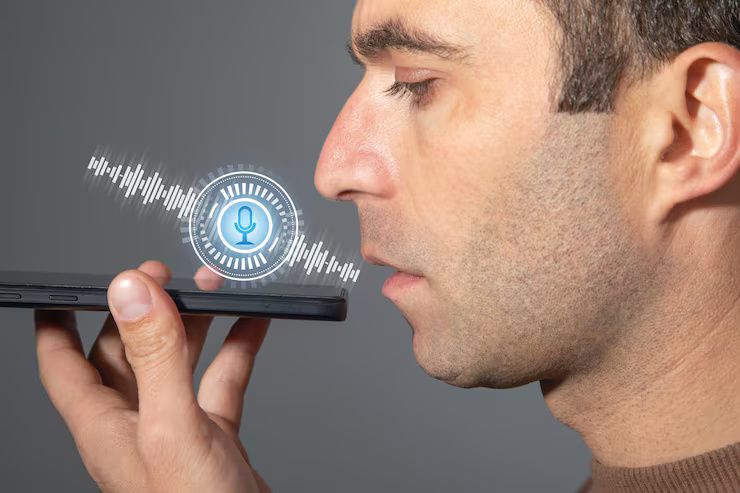
Speech emotion recognition refers to the ability of computers to identify human emotions by analyzing vocal signals. It is part of a broader field often called emotion recognition from speech, where artificial intelligence examines tone, pitch, rhythm, and other audio features to infer feelings such as happiness, anger, sadness, or neutrality.
The idea behind speech emotion detection comes from human communication itself. People often rely on voice cues—like changes in pitch or intensity—to understand how someone feels. Researchers began exploring how machines could replicate this ability several decades ago, combining knowledge from linguistics, psychology, and computer science.
A voice emotion recognition system works by processing recorded or live speech and extracting measurable features. These features are then interpreted using machine learning models trained on large datasets of labeled emotional speech. Over time, these systems have become more refined, forming what is now commonly referred to as audio emotion recognition AI.
As computing power and data availability have increased, emotion AI voice analysis has shifted from experimental research into practical applications across different industries.
Importance
Understanding emotions in speech has practical relevance in many everyday contexts. Human communication is not just about words; emotional tone often carries as much meaning as the spoken content. Speech emotion recognition helps bridge the gap between human expression and machine understanding.
Several areas are influenced by this technology:
- In customer interaction systems, emotion recognition from speech can help identify frustration or satisfaction, allowing systems to respond more appropriately.
- In healthcare, especially mental health monitoring, speech emotion detection can assist in identifying patterns related to stress, anxiety, or mood changes.
- In education, voice emotion recognition systems can help analyze student engagement during online learning sessions.
- In accessibility, emotion AI voice analysis may support individuals with communication difficulties by interpreting emotional cues.
The broader importance lies in improving human-computer interaction. As voice-based systems like virtual assistants and automated call systems become more common, understanding emotional tone can make these interactions feel more natural and responsive.
Additionally, speech emotion recognition contributes to research in psychology and behavioral science by providing structured ways to study emotional expression in speech.
Recent Updates
Between 2024 and 2026, the development of audio emotion recognition AI has followed several noticeable trends. While the core concept remains the same, improvements have been made in accuracy, adaptability, and ethical awareness.
One major trend is the use of deep learning techniques, particularly transformer-based models. These models can process longer audio sequences and capture subtle variations in tone that earlier systems often missed. As a result, speech emotion detection systems are becoming more reliable across different languages and accents.
Another development is the integration of multimodal analysis. Instead of relying only on voice, some systems now combine speech emotion recognition with facial expression analysis or text sentiment analysis. This creates a more complete understanding of emotional context.
There has also been progress in real-time processing. Earlier systems often required pre-recorded audio, but newer voice emotion recognition systems can analyze emotions during live conversations with minimal delay.
Privacy and fairness have also become central concerns. Researchers are working to reduce bias in emotion recognition from speech, ensuring that models perform consistently across diverse populations. Efforts are also being made to minimize data collection and improve anonymization techniques.
The following table outlines some key improvements in recent years:
| Feature Area | Earlier Systems | Recent Systems (2024–2026) |
|---|---|---|
| Model Type | Traditional machine learning | Deep learning and transformers |
| Language Support | Limited | Multilingual and cross-lingual |
| Processing Speed | Mostly offline | Real-time analysis |
| Data Usage | Large labeled datasets | Improved efficiency, smaller data |
| Ethical Considerations | Minimal focus | Strong emphasis on fairness |
These updates reflect a shift toward more practical and responsible use of speech emotion recognition technologies.
Laws or Policies
The use of emotion AI voice analysis is influenced by data protection and privacy regulations. Since speech data can contain sensitive personal information, governments and regulatory bodies have introduced rules to guide its collection and use.
In India, digital data handling is shaped by frameworks such as the Digital Personal Data Protection Act. While this law does not specifically target speech emotion recognition, it applies to any system that processes personal data, including voice recordings.
Key considerations include:
- Consent: Individuals must be informed about how their voice data is being used and provide permission where required.
- Data minimization: Systems should collect only the necessary amount of data needed for analysis.
- Security measures: Organizations handling speech data must implement safeguards to prevent unauthorized access.
- Transparency: Users should have access to information about how emotion recognition systems operate and how their data is processed.
Globally, similar regulations exist, such as the General Data Protection Regulation in the European Union. These frameworks emphasize accountability and user rights.
There is also ongoing discussion about whether emotion recognition technologies should have stricter regulation due to concerns about accuracy and potential misuse. Some experts argue that interpreting emotions through speech alone can be complex and context-dependent, which raises questions about reliability.
Tools and Resources
A variety of tools and platforms are available for those interested in exploring speech emotion recognition and audio emotion recognition AI. These resources range from research frameworks to practical development environments.
Some commonly used tools include:
- Open-source libraries like TensorFlow and PyTorch, which support building machine learning models for speech emotion detection.
- Speech processing toolkits such as OpenSMILE, which can extract acoustic features like pitch, energy, and spectral properties.
- Datasets like RAVDESS and CREMA-D, which provide labeled emotional speech samples for training models.
- Cloud-based AI platforms that include speech analysis capabilities, often integrated with broader voice processing features.
In addition to technical tools, there are educational resources available:
- Online courses covering emotion recognition from speech and machine learning fundamentals.
- Research papers and academic journals that explore advances in emotion AI voice analysis.
- Documentation and tutorials that guide beginners through building a voice emotion recognition system.
These tools and resources help both researchers and developers understand how speech emotion recognition works and how it can be applied in different contexts.
FAQs
What is speech emotion recognition and how does it work?
Speech emotion recognition is a technology that analyzes vocal features such as tone, pitch, and rhythm to identify emotional states. It works by extracting audio features and using machine learning models trained on labeled data to classify emotions.
How accurate is emotion recognition from speech?
The accuracy of emotion recognition from speech varies depending on factors like data quality, language, and context. While modern systems have improved, interpreting emotions remains complex, and results may not always reflect a person’s true feelings.
Where is speech emotion detection used in everyday life?
Speech emotion detection is used in areas such as customer interaction systems, healthcare monitoring, education platforms, and voice-based digital assistants. It helps systems respond more appropriately to human emotions.
What is a voice emotion recognition system?
A voice emotion recognition system is a software system that processes audio input and identifies emotional cues in speech. It typically uses machine learning models trained on datasets of emotional speech recordings.
Are there privacy concerns with audio emotion recognition AI?
Yes, audio emotion recognition AI involves analyzing voice data, which may contain personal information. Privacy concerns include data storage, consent, and potential misuse. Regulations and safeguards are used to address these issues.
Conclusion
Speech emotion recognition represents an effort to make machines more aware of human emotional expression through voice. By analyzing vocal patterns, these systems attempt to interpret feelings in a structured and measurable way. Advances in machine learning have improved their capabilities, while also raising important questions about accuracy and privacy. As the field continues to develop, it remains closely tied to both technological progress and ethical considerations. Understanding its fundamentals helps clarify how emotion AI voice analysis fits into modern digital systems.