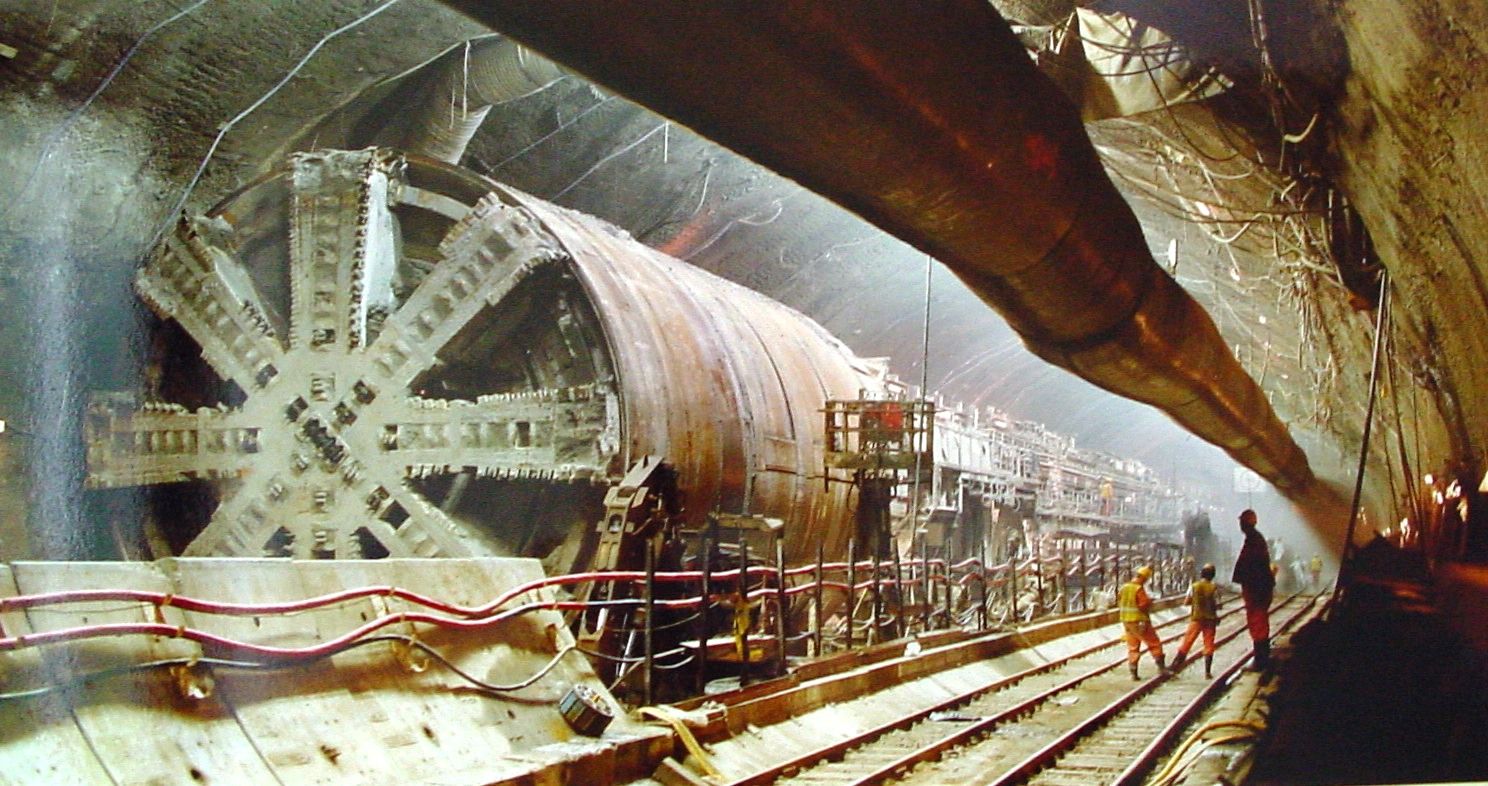
Tunnel boring machines play a central role in modern underground tunneling methods. These large, specialized machines are designed to excavate tunnels through soil, rock, or mixed ground conditions while minimizing disruption on the surface. The concept of mechanized tunneling dates back to the 19th century, but advances in tunnel construction technology have significantly improved efficiency, precision, and safety over time.
A tunnel boring machine, often abbreviated as TBM, is essentially a moving factory that excavates, supports, and lines a tunnel simultaneously. It is commonly used in projects such as metro rail systems, highway tunnels, water supply networks, and underground utilities. Understanding how tunnel boring machine works helps explain why it has become a preferred method for many large-scale infrastructure projects.
Importance
Underground construction has become increasingly important as cities grow and surface space becomes limited. Tunnel boring machines help address challenges related to urban congestion, transportation demand, and environmental concerns. By enabling construction below ground, they reduce the need for large-scale surface excavation, which can disrupt traffic, buildings, and daily life.
For everyday people, TBM-based tunneling supports infrastructure that improves mobility and access. Examples include metro systems that reduce travel time and underground pipelines that ensure consistent water and sewage management. These machines also contribute to safer construction environments compared to some traditional methods, as they provide controlled excavation conditions.
In addition, tunnel construction technology supports projects in difficult terrains such as mountains or beneath rivers. Without these machines, many modern infrastructure developments would be far more complex and time-consuming.
Recent Updates
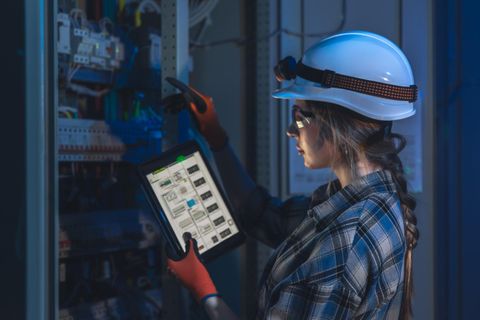
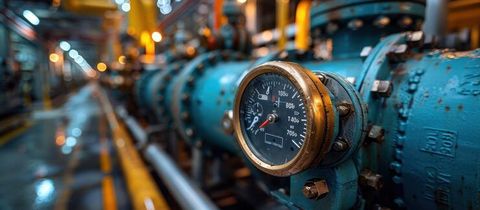
Recent developments in tunnel boring machine technology between 2024 and 2026 reflect a focus on automation, data monitoring, and sustainability. Manufacturers and engineering teams are integrating digital systems that allow operators to monitor performance in real time. Sensors embedded in TBMs track parameters such as pressure, temperature, and alignment, helping improve accuracy and reduce risks.
Another trend is the increased use of hybrid TBMs capable of adapting to different ground conditions. This flexibility is useful in projects where soil and rock layers vary along the tunnel path. Additionally, there is growing attention to energy efficiency, with some machines designed to reduce power consumption and reuse excavated materials.
Artificial intelligence is also being explored in TBM tunneling process workflows. Predictive models can analyze geological data and suggest adjustments during excavation, which can improve operational consistency.
Laws or Policies
Tunnel construction projects are guided by national and regional regulations related to safety, environmental protection, and urban planning. In India, for example, agencies such as the Ministry of Road Transport and Highways and metro rail authorities set standards for underground construction.
Key regulatory areas include:
- Environmental clearance requirements, which assess the impact of tunneling on soil, groundwater, and nearby structures
- Worker safety regulations, which ensure proper ventilation, emergency systems, and equipment handling procedures
- Land use and urban planning approvals, which determine where and how underground projects can be developed
In addition, guidelines often require detailed geological surveys before construction begins. These surveys help determine the appropriate types of tunnel boring machines and tunneling methods to use for a specific project.
Tools and Resources
Several tools and resources support engineers and planners involved in tunnel construction technology. These resources help with design, analysis, and monitoring throughout the project lifecycle.
Commonly used tools include:
- Simulation software such as Bentley Systems and PLAXIS, which model soil behavior and tunnel stability
- Geographic Information Systems (GIS), which provide mapping and spatial analysis of underground conditions
- Building Information Modeling (BIM) platforms, which integrate design and construction data into a unified system
- Monitoring systems with sensors and dashboards, which track TBM performance during excavation
These tools improve decision-making by providing detailed insights into ground conditions and machine behavior.
Types of Tunnel Boring Machines
Different types of tunnel boring machines are designed to handle specific geological conditions. Selecting the appropriate type is essential for efficient and stable tunneling.
Earth Pressure Balance (EPB) TBM
EPB machines are used in soft ground conditions such as clay and silt. They maintain pressure at the tunnel face using excavated material, which helps prevent ground collapse.
Slurry TBM
Slurry machines are suitable for water-bearing soils like sand and gravel. They use a liquid mixture to stabilize the tunnel face and transport excavated material.
Hard Rock TBM
Hard rock TBMs are designed for solid rock formations. They use rotating cutter heads equipped with disc cutters to break through rock surfaces.
Mixed Ground TBM
Mixed ground machines handle varying soil and rock conditions within the same tunnel. They combine features of different TBM types to adapt to changing environments.
Tunnel Boring Machine Components
A tunnel boring machine consists of several integrated components that work together during excavation. Understanding these tunnel boring machine components helps explain how the system operates as a whole.
Cutter Head
The cutter head is the rotating front section that breaks through soil or rock. It is fitted with cutting tools suited to the ground type.
Shield
The shield provides structural support to the tunnel as excavation progresses. It protects workers and equipment inside the machine.
Thrust System
The thrust system uses hydraulic jacks to push the TBM forward. It works against the tunnel lining segments to advance the machine.
Conveyor or Slurry System
This system removes excavated material from the tunnel. Depending on the TBM type, it may use conveyor belts or slurry pipelines.
Segment Erector
The segment erector installs precast concrete segments that form the tunnel lining. This process occurs simultaneously with excavation.
Control Cabin
Operators monitor and control the machine from the control cabin. Modern cabins include digital displays and automated systems for precision control.
TBM Tunneling Process
The TBM tunneling process involves several coordinated steps that repeat as the machine advances.
Step-by-Step Process
- Excavation: The cutter head rotates and breaks the ground at the tunnel face
- Material removal: Excavated material is transported away through conveyors or slurry systems
- Support installation: Concrete segments are placed to form the tunnel lining
- Machine advancement: Hydraulic jacks push the TBM forward
- Monitoring: Sensors and control systems track performance and alignment
This continuous cycle allows tunnels to be constructed efficiently with minimal interruption.
Example Workflow Table
| Stage | Description | Key Equipment |
|---|---|---|
| Excavation | Cutting soil or rock at the tunnel face | Cutter head |
| Material transport | Removing excavated material | Conveyor/slurry system |
| Lining installation | Placing concrete segments | Segment erector |
| Advancement | Moving the machine forward | Hydraulic thrust system |
| Monitoring | Tracking alignment and conditions | Control systems, sensors |
FAQs
What is a tunnel boring machine and how does it work?
A tunnel boring machine is a large mechanical system used to excavate tunnels underground. It works by rotating a cutter head to break through soil or rock while simultaneously installing tunnel lining segments for support.
What are the main types of tunnel boring machines?
The main types include earth pressure balance machines, slurry machines, hard rock machines, and mixed ground machines. Each type is designed for specific geological conditions.
Why are underground tunneling methods important?
Underground tunneling methods help create infrastructure such as metro systems and pipelines without major surface disruption. They are useful in dense urban areas and challenging terrains.
What are the key tunnel boring machine components?
Key components include the cutter head, shield, thrust system, material transport system, segment erector, and control cabin. Each part plays a role in excavation and tunnel construction.
How long does the TBM tunneling process take?
The duration depends on factors such as tunnel length, ground conditions, and machine type. Some projects may take months, while others extend over several years.
Conclusion
Tunnel boring machines have transformed underground construction by enabling efficient and controlled excavation. Their ability to adapt to different ground conditions makes them suitable for a wide range of infrastructure projects. Advances in automation and monitoring continue to improve their performance and reliability. Understanding their types, components, and processes provides a clearer view of how modern tunnels are built. These machines remain an essential part of contemporary tunnel construction technology.