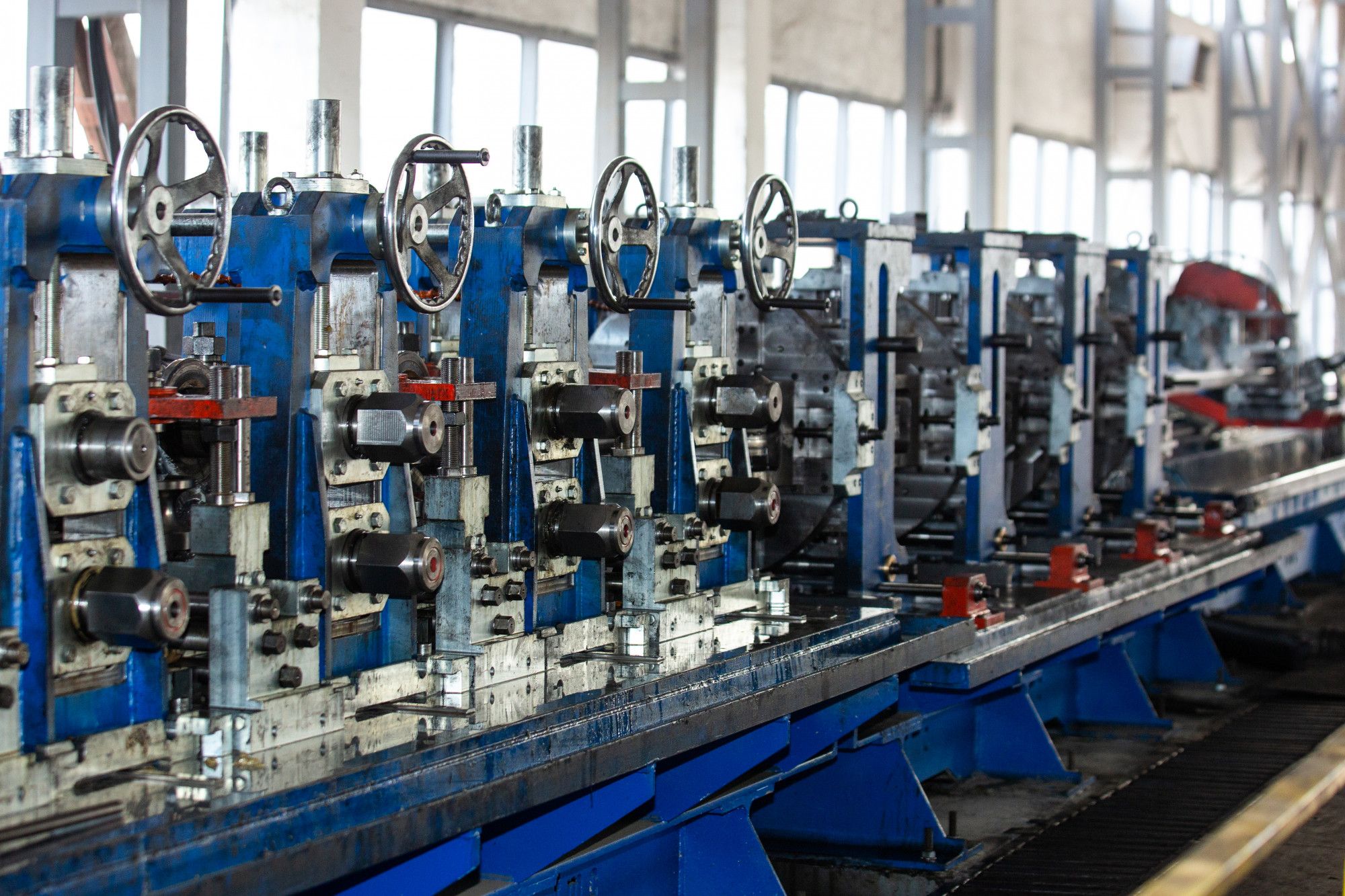
A vertical machining center is a type of computer-controlled machine used in manufacturing to shape, cut, and drill materials with high precision. It features a vertically oriented spindle, which allows tools to move along multiple axes to perform complex operations. These machines are widely used in industries such as automotive, aerospace, electronics, and metal fabrication.
The concept of vertical machining center programming evolved as manufacturing shifted from manual processes to automated systems. Early machining required skilled operators to control every movement. With the introduction of CNC (Computer Numerical Control), machines began to follow programmed instructions, improving consistency and efficiency.
VMC programming refers to the process of creating coded instructions that guide the machine’s movements, tool paths, and operations. These instructions are typically written in G-code or generated using CAM (Computer-Aided Manufacturing) software.
Over time, the development of the compact vertical machining center made it possible for smaller workshops and educational institutions to adopt CNC technology. These machines offer similar capabilities in a reduced footprint, making them suitable for limited spaces.
The rise of the precision vertical machining center reflects the growing demand for accuracy in manufacturing. Industries now require components with tight tolerances, which these machines can deliver consistently.
Importance – Why This Topic Matters Today
The relevance of vertical machining center programming has increased significantly due to advancements in manufacturing technology and the need for high-quality production. Modern industries rely on automation to maintain efficiency and reduce errors.
Key reasons why this topic matters include:
- Improved accuracy and consistency: CNC systems eliminate human variability, ensuring uniform results across multiple parts
- Increased productivity: Automated machining allows continuous operation with minimal manual intervention
- Reduced material waste: Precise programming optimizes tool paths and minimizes unnecessary cuts
- Adaptability: Machines can be reprogrammed quickly for different designs or production requirements
The integration of IoT in machining centers has further enhanced their capabilities. Sensors and connected systems allow machines to monitor performance, predict maintenance needs, and provide real-time data.
This topic affects a wide range of stakeholders:
- Manufacturers seeking efficiency and scalability
- Engineers and programmers working on CNC systems
- Educational institutions training future technicians
- Small workshops adopting compact machining solutions
The combination of VMC programming and modern technologies addresses several challenges, including production delays, quality inconsistencies, and high operational costs.
Recent Updates – Trends and Developments
In the past year, several trends have influenced the evolution of vertical machining center programming and related technologies. These developments reflect the growing emphasis on automation, connectivity, and precision.
Key updates observed between 2025 and early 2026 include:
- Increased adoption of IoT-enabled systems: Manufacturers are integrating sensors and cloud platforms to monitor machine health and performance in real time
- Advancements in AI-assisted programming: Some CAM software now uses artificial intelligence to optimize tool paths and reduce programming time
- Growth of compact machining solutions: The demand for compact vertical machining center models has increased among small-scale manufacturers and training centers
- Enhanced precision capabilities: New models of precision vertical machining center machines offer tighter tolerances and improved surface finishes
- Digital twin technology: Virtual simulations of machining processes are being used to test programs before execution, reducing errors
The following table summarizes key differences between traditional and modern machining approaches:
| Feature | Traditional Machining | Modern VMC Programming |
|---|---|---|
| Control Method | Manual or semi-automatic | Fully automated CNC control |
| Accuracy | Operator-dependent | High precision and repeatability |
| Programming | Limited or manual setup | Advanced CAM and AI-assisted coding |
| Monitoring | Visual inspection | IoT-based real-time monitoring |
| Flexibility | Low | High adaptability to design changes |
These updates demonstrate how VMC programming continues to evolve alongside digital manufacturing technologies.
Laws or Policies – Regulatory and Government Influence
The use of vertical machining centers and CNC programming is influenced by various regulations and government initiatives, particularly in countries like India where manufacturing plays a key economic role.
Relevant regulatory aspects include:
- Industrial safety standards: Machines must comply with safety guidelines to protect operators, including proper guarding and emergency controls
- Environmental regulations: Manufacturers are required to manage waste, emissions, and energy consumption responsibly
- Skill development programs: Government initiatives support training in CNC and VMC programming to enhance workforce capabilities
In India, programs such as Skill India and Make in India encourage the adoption of advanced manufacturing technologies. These initiatives promote the use of precision vertical machining center systems to improve domestic production capabilities.
Additionally, compliance with international standards such as ISO certifications is often necessary for companies involved in global supply chains. These standards ensure quality, safety, and consistency in machining processes.
Tools and Resources – Helpful Technologies and Platforms
A variety of tools and resources support the effective use of vertical machining center programming and modern machining techniques. These tools help streamline workflows, improve accuracy, and enhance productivity.
Common tools used in VMC programming include:
-
CAM software:
- Generates tool paths and converts designs into machine-readable code
- Examples include Fusion 360, Mastercam, and SolidCAM
-
Simulation software:
- Allows testing of machining programs before execution
- Helps detect errors and optimize processes
-
CNC controllers:
- Manage machine operations and execute programmed instructions
- Provide user interfaces for monitoring and adjustments
-
IoT platforms:
- Enable real-time monitoring and data analysis
- Support predictive maintenance and performance tracking
-
Post-processors:
- Convert CAM output into machine-specific code
- Ensure compatibility with different CNC systems
Additional resources include:
- Online learning platforms offering CNC and VMC programming courses
- Technical documentation and manuals from machine manufacturers
- Industry forums and communities for knowledge sharing
These tools play a critical role in modern manufacturing environments, especially where precision vertical machining center systems are used.
FAQs – Common Questions and Answers
What is a vertical machining center used for?
A vertical machining center is used for cutting, drilling, milling, and shaping materials such as metal and plastic. It is widely used in manufacturing industries for producing complex parts with high precision.
What is VMC programming?
VMC programming involves writing or generating instructions that control the movements and operations of a vertical machining center. These instructions are typically created using G-code or CAM software.
How does IoT improve machining centers?
IoT in machining centers enables real-time monitoring, data collection, and predictive maintenance. This helps improve efficiency, reduce downtime, and enhance overall machine performance.
What is the difference between compact and standard vertical machining centers?
A compact vertical machining center is smaller in size and designed for limited spaces, while standard machines offer larger work areas and higher capacity. Both provide similar functionality but differ in scale and application.
Why is precision important in machining?
Precision ensures that parts meet exact specifications and function correctly in their intended applications. A precision vertical machining center helps achieve tight tolerances and consistent quality.
Conclusion
The evolution of vertical machining center programming reflects the broader transformation of manufacturing into a more automated and data-driven process. From basic CNC systems to advanced IoT-enabled machines, the technology continues to improve efficiency, accuracy, and adaptability.
Modern VMC programming techniques allow manufacturers to produce complex components with minimal error, while innovations such as AI and digital twins enhance planning and execution. The growing use of compact vertical machining center models also makes this technology accessible to a wider range of users.
As industries continue to adopt advanced solutions, the role of the precision vertical machining center will remain central to achieving high-quality production standards. Understanding these systems and their programming methods is essential for anyone involved in modern manufacturing.