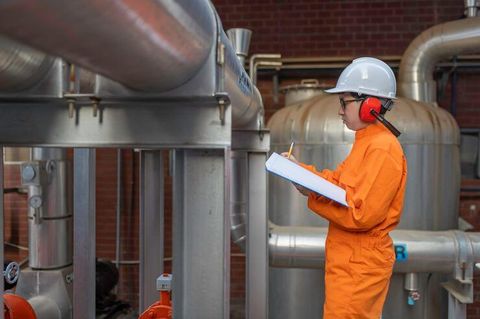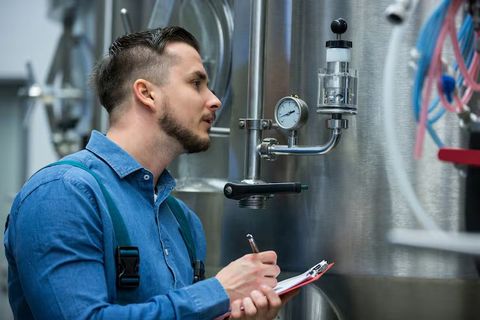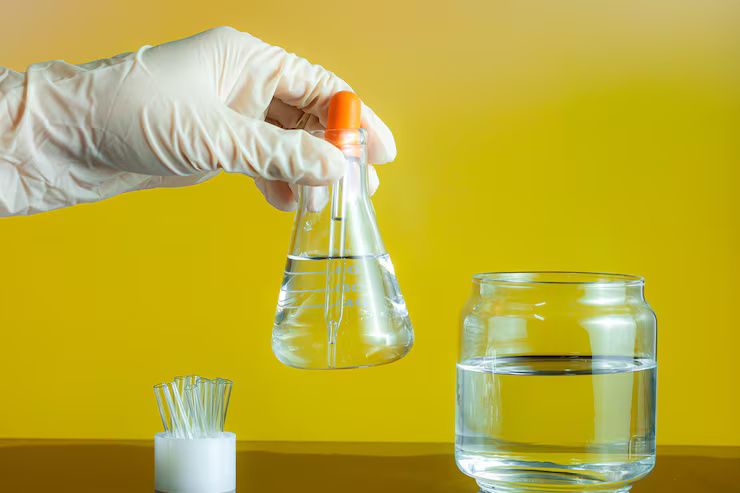
Zero Liquid Discharge (ZLD) is an advanced wastewater treatment approach designed to eliminate liquid waste from industrial processes. Instead of releasing treated water into the environment, ZLD systems recover and reuse nearly all water, leaving behind only solid waste residues. This method is widely used in industries such as power generation, textiles, chemicals, pharmaceuticals, and food processing, where water consumption and pollution risks are high.
In recent years, the importance of ZLD has grown significantly due to increasing environmental concerns, water scarcity, and stricter regulatory frameworks. Countries facing water stress, including India, have made ZLD a priority for industries operating in sensitive regions. The push toward sustainability, circular economy models, and responsible water management has accelerated the adoption of ZLD technologies.
Technological advancements, such as improved membrane filtration and energy-efficient evaporators, have also made ZLD more feasible. While it remains a capital-intensive solution, its long-term environmental and operational benefits are driving widespread interest. As industries aim to meet compliance standards and sustainability goals, ZLD is becoming a key strategy for responsible industrial growth.
Who It Affects and What Problems It Solves
Zero Liquid Discharge primarily affects industries that generate large volumes of wastewater. These include sectors such as textiles, chemicals, pharmaceuticals, mining, oil and gas, and thermal power plants. Regulatory authorities, environmental agencies, and local communities are also directly impacted, as ZLD helps reduce pollution and conserve water resources.
For industries, wastewater disposal has always been a challenge due to strict environmental standards and rising treatment costs. Traditional treatment methods often allow some level of discharge, which can still harm ecosystems and groundwater. ZLD addresses these concerns by ensuring that no liquid waste leaves the facility.
Key Problems ZLD Solves
- Water scarcity: Recycles and reuses water within industrial processes
- Environmental pollution: Eliminates discharge of harmful effluents into water bodies
- Regulatory compliance: Helps industries meet strict environmental norms
- Waste management: Converts liquid waste into manageable solid residues
- Operational sustainability: Supports long-term water conservation strategies
By solving these challenges, ZLD not only protects the environment but also enhances operational efficiency and corporate sustainability efforts.
Recent Updates and Industry Trends
The adoption of Zero Liquid Discharge has evolved rapidly over the past year, driven by both regulatory pressure and technological innovation.
One major trend is the increasing integration of advanced membrane technologies such as reverse osmosis (RO), nanofiltration (NF), and ultrafiltration (UF). These technologies improve water recovery rates while reducing energy consumption. Additionally, hybrid systems combining membranes with thermal processes are becoming more common to optimize efficiency.
Another key development is the focus on energy optimization. Traditional ZLD systems are energy-intensive due to evaporation and crystallization processes. Recent innovations include mechanical vapor recompression (MVR) and multi-effect evaporators (MEE), which significantly reduce energy usage.
Digital monitoring and automation are also transforming ZLD systems. Smart sensors and real-time data analytics help industries track water usage, detect inefficiencies, and maintain compliance more effectively.
Globally, sustainability reporting and Environmental, Social, and Governance (ESG) frameworks are encouraging industries to adopt ZLD as part of their environmental responsibility. In India, stricter pollution control norms and water conservation initiatives continue to push industries toward ZLD adoption, especially in water-stressed regions.
Zero Liquid Discharge Process Overview
| Stage | Description |
|---|---|
| Pre-treatment | Removal of suspended solids, oils, and large contaminants |
| Primary Treatment | Chemical treatment to remove dissolved impurities |
| Membrane Filtration | Use of RO/NF/UF systems to separate clean water from dissolved solids |
| Evaporation | Concentration of remaining wastewater using thermal processes |
| Crystallization | Conversion of concentrated waste into solid crystals |
| Water Recovery | Reuse of purified water within the plant |
| Solid Waste Handling | Disposal or reuse of solid residues |
This multi-stage process ensures maximum water recovery and minimal environmental impact.
Laws and Policies Impacting Zero Liquid Discharge
Environmental regulations play a crucial role in driving the adoption of ZLD systems. Governments and regulatory bodies have established strict norms to control industrial wastewater discharge.
In India, the Central Pollution Control Board (CPCB) and State Pollution Control Boards (SPCBs) enforce guidelines for wastewater management. Certain industries, especially in sectors like textiles and tannery operations, are mandated to implement ZLD systems in specific regions.
Key Regulatory Influences
- Discharge limits: Strict limits on pollutants in wastewater
- Water usage restrictions: Encouragement of recycling and reuse
- Industrial compliance requirements: Mandatory ZLD in high-risk sectors
- Environmental clearances: ZLD often required for project approvals
Practical Guidance
- Industries operating in water-scarce or environmentally sensitive areas should prioritize ZLD implementation.
- Businesses with high wastewater output benefit most from ZLD despite higher initial costs.
- Companies aiming for sustainability certifications or ESG compliance should consider ZLD as part of their environmental strategy.
Regulatory frameworks are expected to become even stricter, making ZLD a proactive investment rather than a reactive measure
Tools and Resources for Zero Liquid Discharge
Implementing and managing ZLD systems requires a combination of technical tools, monitoring systems, and expert resources.
Common Tools and Technologies
- Membrane filtration systems: Reverse osmosis, ultrafiltration, nanofiltration
- Evaporation units: Multi-effect evaporators (MEE), mechanical vapor recompression (MVR)
- Crystallizers: For solid waste recovery
- Water quality monitoring systems: Sensors for real-time analysis
- Automation software: For process control and optimization
Helpful Resources
- Environmental compliance guidelines from government agencies
- Industry research reports on wastewater treatment technologies
- Engineering consultants specializing in ZLD system design
- Online calculators for water recovery and cost estimation
- Training programs on industrial water management
Using the right combination of tools and resources can significantly improve the efficiency and cost-effectiveness of ZLD systems.
Frequently Asked Questions (FAQs)
1. What is Zero Liquid Discharge in simple terms?
Zero Liquid Discharge is a process where all wastewater from an industrial facility is treated and reused, leaving no liquid waste discharged into the environment.
2. Why is ZLD important for industries?
ZLD helps industries conserve water, comply with environmental regulations, and reduce pollution, making operations more sustainable.
3. Is Zero Liquid Discharge expensive to implement?
Yes, ZLD systems require high initial investment and energy costs. However, long-term benefits such as water savings and regulatory compliance can offset these costs.
4. Which industries commonly use ZLD?
Industries like textiles, power plants, chemicals, pharmaceuticals, and mining frequently use ZLD due to high wastewater generation.
5. Can small businesses adopt ZLD systems?
While full-scale ZLD may be costly for small businesses, modular or partial systems can be implemented depending on wastewater volume and regulatory requirements.
Conclusion
Zero Liquid Discharge represents a significant advancement in industrial wastewater management. By eliminating liquid waste discharge and maximizing water reuse, ZLD addresses critical challenges such as water scarcity, environmental pollution, and regulatory compliance.
Although the technology involves high initial costs and energy consumption, recent innovations in membrane filtration and energy-efficient evaporation are improving its feasibility. Industries adopting ZLD are better positioned to meet sustainability goals, comply with evolving regulations, and reduce long-term operational risks.
From a data-driven perspective, regions facing water stress and stricter environmental norms are seeing faster adoption of ZLD systems. As global emphasis on sustainability and resource efficiency continues to grow, ZLD is likely to become a standard practice rather than an optional solution.