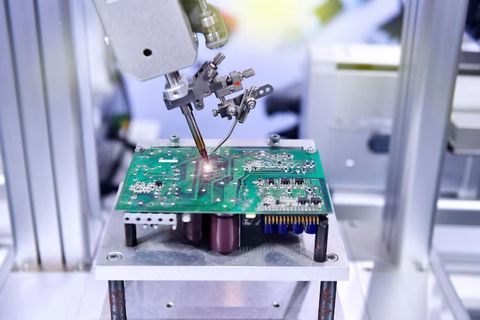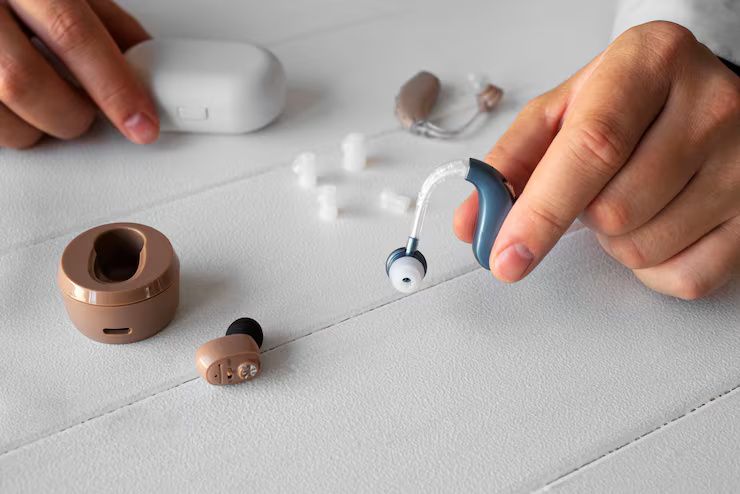
Hearing aids are electronic medical devices designed to improve hearing for individuals with hearing loss. They amplify sound, support speech clarity, reduce listening strain, and help people communicate more effectively in daily life. Hearing aids exist because hearing loss affects millions of people globally due to aging, illness, noise exposure, genetics, or environmental conditions.
In earlier decades, hearing aids were bulky and analog, offering limited clarity. Modern hearing aids are digital, compact, and adaptive, designed to analyze sound, reduce noise, and enhance speech. Many devices now include Bluetooth connectivity, allowing users to connect with smartphones and control sound settings easily.
Hearing aids are used by people of all ages, including children, adults, and older individuals. They help improve communication, reduce isolation, and enhance confidence in daily interactions. Their development reflects progress in medical research, audio engineering, and assistive technology.
Importance: Why Hearing Aids Matter Today
Who Hearing Aids Affect
Hearing aids support a wide range of individuals:
- Older adults experiencing age-related hearing changes
- Individuals recovering from ear infections or injuries
- Workers exposed to high noise environments
- Children with developmental hearing challenges
- People needing better speech clarity and communication support
Why Hearing Aids Matter Today
Hearing aids play a key role in improving quality of life:
- Enhance speech understanding in noisy environments
- Support communication with family and colleagues
- Reduce social isolation and dependence
- Improve cognitive engagement and listening comfort
- Increase awareness of environmental sounds for safety
Hearing loss can range from mild to severe and is often unnoticed in early stages. Without support, it may lead to stress, reduced participation, and communication difficulties.
Problems Hearing Aids Help Solve
Hearing aids address several daily challenges:
- Difficulty understanding speech during conversations
- Struggles in crowded or noisy environments
- Reduced awareness of surrounding sounds
- Miscommunication and emotional withdrawal
- Challenges in group discussions or public settings
Comparison: With vs Without Hearing Aids
| Without Hearing Aid | With Hearing Aid |
|---|---|
| Poor speech clarity | Improved speech recognition |
| High listening strain | Reduced communication stress |
| Social withdrawal | Greater confidence in interaction |
| Limited awareness | Better environmental awareness |
Hearing aids do not restore natural hearing but amplify sound to improve clarity and comfort. With proper use, they significantly enhance daily communication.
Recent Updates, Trends, and News in Hearing Aid Technology (2024–2025)
Digital Sound Processing
Modern hearing aids use artificial intelligence to analyze sound and adjust amplification automatically. This improves clarity and creates a more natural listening experience.
Rechargeable Batteries
Rechargeable hearing aids have become more common due to improved battery life and convenience. Charging systems replace disposable batteries, making devices easier to maintain.
Enhanced Connectivity
Smartphone apps allow users to control volume, adjust sound profiles, and stream audio. Bluetooth integration enables seamless connection with phones and media devices.
Noise Filtering and Directional Microphones
Advanced microphones focus on speech direction while reducing background noise. These features are especially helpful in crowded or outdoor environments.
Miniaturization and Comfort
Hearing aids are becoming smaller, lighter, and more comfortable. Invisible designs provide discreet usage without compromising performance.
Early Self-Screening
Digital tools now allow individuals to check hearing ability at home. These tools support early detection and awareness of hearing loss.
Long-Term Usage Insights
Modern devices can track listening patterns and environmental sound exposure. This data helps professionals provide better personalization and adjustments.
Laws, Policies, and Regulations Affecting Hearing Aids (India Focus)
Regulation as Medical Devices
Hearing aids are regulated as medical devices to ensure safety, performance, and quality standards. Manufacturers must meet technical and calibration requirements.
Assistive Technology Programs
India supports hearing health through awareness programs, screening initiatives, and assistive tools. These programs promote accessibility and communication support.
Ethical Standards for Device Quality
Regulations ensure proper labeling, durability, and performance transparency. This helps users understand device functionality and safe usage.
Accessibility Initiatives
Public systems encourage inclusive communication through captioning and hearing support solutions. This improves participation in education and community activities.
Awareness and Screening
Campaigns promote early hearing checks and safe listening practices. Early detection supports better long-term outcomes.
Tools and Resources for Hearing Aid Learning and Support
Digital and Analytical Tools
These tools help users manage and optimize their devices:
- Hearing test applications for frequency awareness
- Smartphone apps for sound customization
- Battery monitoring systems
- Directional microphone controls
- Speech enhancement software
Educational and Accessibility Tools
Learning resources support awareness and accessibility:
- Online hearing health libraries
- Community awareness platforms
- Captioning systems for video and meetings
- Amplified alert systems for home use
Screening and Documentation Tools
Tracking and assessment tools include:
- Self-screening applications
- Speech clarity analyzers
- Environmental listening trackers
- Digital records of auditory patterns
FAQs
What is a hearing aid?
A hearing aid is a small electronic device that amplifies sound and improves communication for individuals with hearing loss.
Do hearing aids restore normal hearing?
No. They enhance sound and clarity but do not fully restore natural hearing.
How long does it take to adapt to a hearing aid?
Adaptation varies. Some users adjust quickly, while others may take several weeks to become comfortable.
What types of hearing aids exist?
Common types include behind-the-ear, in-the-ear, in-canal, and invisible models. Digital devices offer advanced features.
Is early hearing screening useful?
Yes. Early screening helps detect hearing issues before they significantly affect communication and daily life.
Conclusion
Hearing aids are essential tools for improving communication and quality of life. Modern devices use advanced technologies such as AI processing, rechargeable batteries, and smartphone connectivity to enhance listening experiences.
Policies and standards ensure safety, accessibility, and responsible usage. Digital tools and educational resources further support awareness and effective device management.
As technology continues to evolve, hearing aids are becoming more efficient, comfortable, and personalized, helping individuals engage confidently in social, professional, and everyday environments.