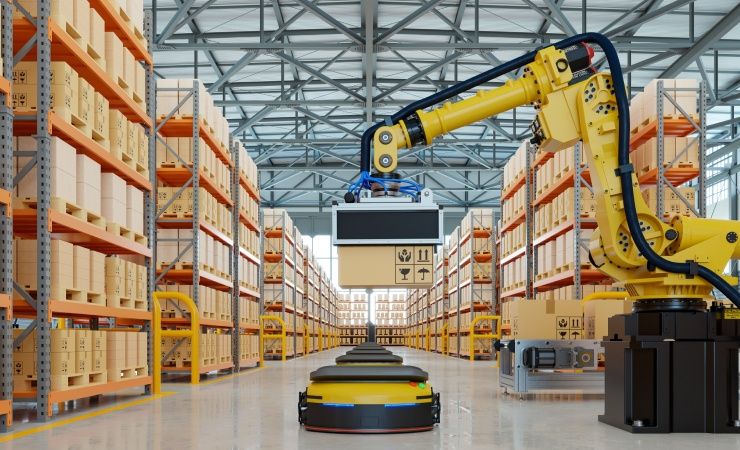
Warehouse automation robotics refers to the use of robotic systems and automated technologies to support warehouse operations such as picking, sorting, transporting, and organizing goods. These systems exist because traditional manual warehouse processes struggle to keep pace with modern supply chain demands, which require speed, accuracy, and scalability.
As e-commerce, retail distribution, and manufacturing logistics have expanded, warehouses have become more complex environments. Managing high volumes of inventory, frequent order changes, and tight delivery expectations requires more than manual labor alone. Warehouse automation robotics emerged to address these challenges by introducing machines that can perform repetitive, precision-based tasks consistently.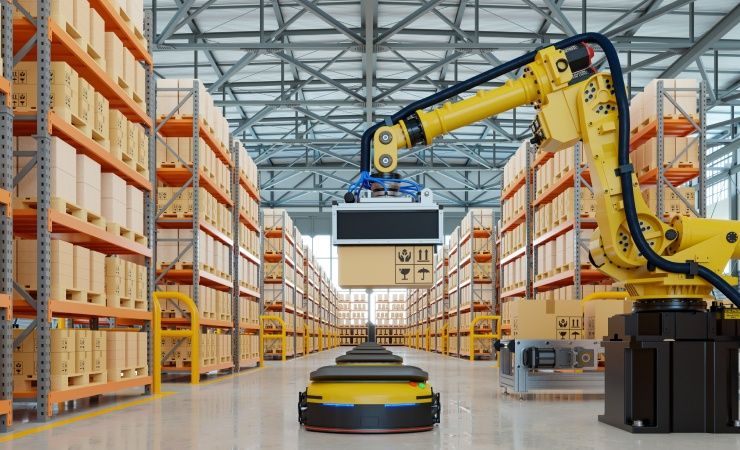
At a fundamental level, warehouse automation robotics combines mechanical systems, sensors, software control, and data analytics to streamline material movement. These systems are designed to work within structured warehouse layouts, supporting both human workers and automated workflows.
Importance: Why Warehouse Automation Robotics Matter Across Industries
Warehouse automation robotics plays a critical role in modern logistics and distribution networks. Its importance extends beyond operational efficiency and affects a wide range of stakeholders, including warehouse managers, logistics planners, supply chain analysts, and operational teams.
Key reasons this topic matters include:
-
Operational efficiency: Automated picking and sorting systems reduce processing time and improve throughput.
-
Accuracy and consistency: Robotics minimizes errors caused by manual handling, supporting reliable order fulfillment.
-
Scalability: Automated systems adapt more easily to changing inventory volumes and seasonal demand.
-
Workplace safety: Robotics can handle repetitive or physically demanding tasks, reducing strain on workers.
-
Data visibility: Robotic systems generate structured data that supports monitoring and performance analysis.
Industries such as e-commerce, retail distribution, manufacturing, pharmaceuticals, and third-party logistics increasingly rely on warehouse automation robotics to maintain consistent and predictable operations.
Recent Updates: Developments in Picking, Sorting, and Robotic Systems
Recent developments in warehouse automation robotics focus on flexibility, system integration, and intelligent coordination rather than basic mechanization. These updates reflect broader trends in industrial automation and digital supply chains.
Notable developments observed in recent periods include:
-
Adaptive picking systems: Robots are increasingly capable of handling varied item shapes, weights, and packaging.
-
Advanced sorting logic: Automated sorting systems now integrate real-time data to optimize routing and order consolidation.
-
Mobile robotic platforms: Autonomous mobile robots are more widely used to transport goods across dynamic warehouse layouts.
-
System interoperability: Robotics platforms are designed to integrate with warehouse management systems and inventory databases.
-
Sensor-driven navigation: Improved perception systems support safer movement in shared human-robot environments.
These developments aim to make warehouse automation robotics more responsive to real-world operational variability.
Laws or Policies: Regulatory Considerations for Warehouse Robotics
Warehouse automation robotics operates within regulatory and policy frameworks related to workplace safety, machinery standards, and data management. While specific requirements vary by region, several common policy areas influence robotic warehouse environments.
Typical regulatory considerations include:
-
Occupational safety standards: Rules governing safe interaction between workers and automated machinery.
-
Equipment compliance guidelines: Requirements for mechanical reliability, emergency controls, and operational safeguards.
-
Data protection regulations: Policies related to the collection and use of operational and system data.
-
Industrial automation frameworks: Government initiatives encouraging modernization and efficiency in logistics infrastructure.
Understanding these policies helps organizations deploy warehouse automation robotics in a manner that aligns with safety and compliance expectations.
Tools and Resources: Systems Supporting Warehouse Automation Robotics
A variety of tools and resources support the planning, operation, and evaluation of warehouse automation robotics. These resources help organizations understand system capabilities and manage robotic workflows effectively.
Commonly used tools and references include:
-
Warehouse management systems: Platforms that coordinate inventory data and robotic task assignments.
-
Simulation and modeling tools: Resources used to test warehouse layouts and robotic traffic flow.
-
Performance monitoring dashboards: Interfaces that track picking accuracy, system utilization, and throughput.
-
Robotics integration frameworks: Technical references that support system interoperability.
-
Process documentation libraries: Guides outlining best practices for automated warehouse operations.
These tools enable more informed decisions when designing or optimizing robotic warehouse environments.
Core Functions of Warehouse Automation Robotics
Warehouse automation robotics typically supports several core operational functions, each contributing to overall system efficiency.
| Function Area | Primary Role | Operational Impact |
|---|---|---|
| Robotic picking | Item selection and retrieval | Faster order processing |
| Automated sorting | Order and destination grouping | Reduced handling errors |
| Material transport | Movement of goods | Smoother internal flow |
| Inventory positioning | Storage optimization | Better space utilization |
| System coordination | Task scheduling | Predictable operations |
Understanding these functions clarifies how robotics supports end-to-end warehouse workflows.
FAQs
What is warehouse automation robotics used for?
Warehouse automation robotics is used to automate picking, sorting, transporting, and organizing goods within warehouse environments.
How do robotic picking systems work?
Robotic picking systems use sensors, vision technology, and control software to identify items and retrieve them from storage locations.
Are warehouse robots designed to work with humans?
Yes. Many systems are designed for collaborative environments where robots and humans share workspace safely.
What types of warehouses use automation robotics?
E-commerce fulfillment centers, retail distribution hubs, manufacturing warehouses, and logistics facilities commonly use automation robotics.
Why is sorting automation important in warehouses?
Automated sorting improves order accuracy and reduces processing delays by directing items efficiently through the warehouse.
Conclusion: The Role of Robotics in Modern Warehousing
Warehouse automation robotics has become a foundational component of modern warehouse operations by enabling consistent, scalable, and data-driven workflows. Through automated picking, intelligent sorting, and coordinated system control, these technologies help warehouses manage increasing complexity without sacrificing reliability.
As logistics networks continue to evolve, warehouse automation robotics supports operational visibility, safety, and efficiency. Understanding its basics, core functions, and supporting systems provides valuable insight into how modern warehouses are structured and managed.