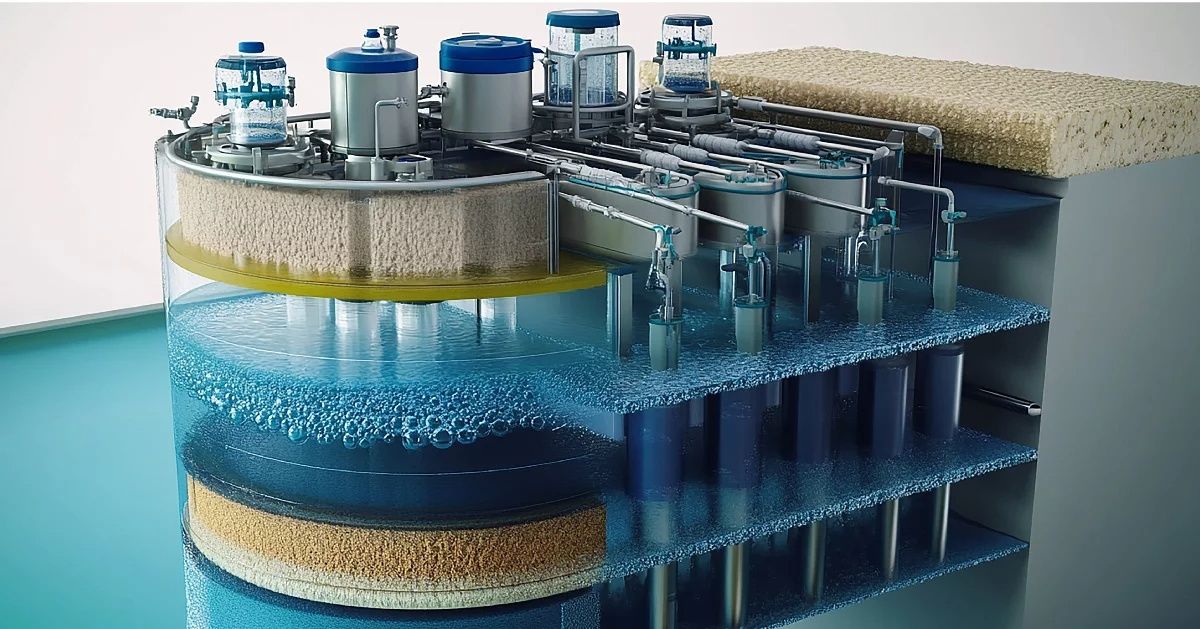
Water treatment plant equipment refers to the collection of mechanical, electrical, and filtration systems used to clean raw water and make it suitable for drinking, industrial use, or safe environmental discharge. These systems exist because natural water sources often contain suspended solids, microorganisms, chemicals, and dissolved impurities that cannot be removed through simple settling.
Modern water treatment relies on structured processes supported by specialized equipment. From intake screens to filtration units and disinfection systems, every component plays a role in improving water quality. As urban populations grow and industrial demand increases, water treatment plant equipment has become essential for maintaining public health and supporting economic activity.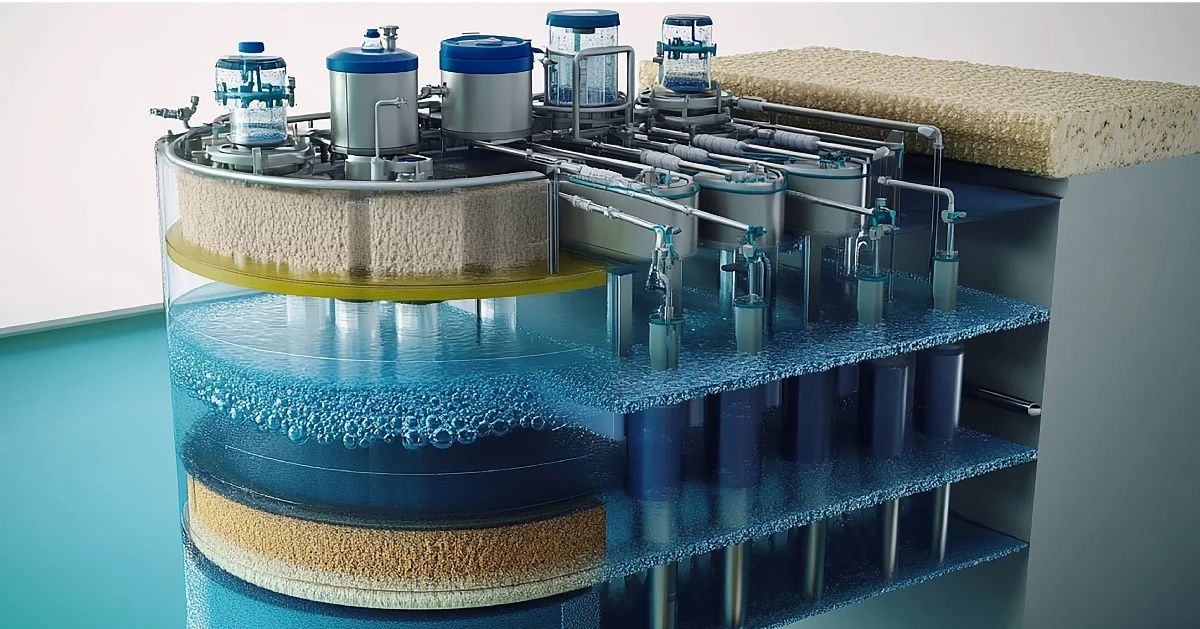
At a basic level, these systems convert untreated water into usable water by applying physical separation, chemical treatment, and biological processes in a controlled sequence.
Importance: Why Water Treatment Plant Equipment Matters Across Communities and Industries
Water treatment plant equipment affects municipalities, manufacturing facilities, agricultural operations, healthcare institutions, and residential communities. Clean water is fundamental to daily life, food production, energy generation, and industrial processes.
Key reasons this equipment is important include:
-
Public health protection: Removes pathogens and harmful substances from drinking water
-
Environmental safety: Reduces pollutants before water returns to rivers or soil
-
Industrial reliability: Supports consistent water quality for manufacturing operations
-
Resource efficiency: Helps manage limited freshwater supplies through reuse and recycling
-
Infrastructure stability: Enables large-scale distribution of treated water across regions
Industries also depend on industrial water treatment systems to prevent corrosion, scaling, and contamination in boilers, cooling towers, and production lines. Without reliable treatment equipment, water-related failures can disrupt operations and compromise safety.
Recent Updates: Developments in Water Treatment Plant Equipment and Process Design
Recent developments in water treatment plant equipment focus on efficiency, automation, and improved contaminant removal rather than basic mechanical changes.
Common trends observed in recent periods include:
-
Advanced membrane filtration: Wider use of reverse osmosis and ultrafiltration for higher purity levels
-
Automation integration: Digital monitoring systems provide real-time process visibility
-
Energy optimization: Equipment designs emphasize lower power consumption during pumping and filtration
-
Compact system layouts: Modular treatment units support space-limited installations
-
Improved sludge management: Enhanced dewatering technologies reduce residual waste volume
These changes help treatment facilities operate more reliably while meeting stricter water quality expectations.
Laws or Policies: Regulatory Factors Influencing Water Treatment Equipment Use
Water treatment plant equipment operates under national and regional regulations focused on water safety, environmental protection, and infrastructure standards.
Common policy areas affecting water treatment include:
-
Drinking water quality regulations: Define acceptable limits for contaminants
-
Environmental discharge guidelines: Control how treated water is released into natural ecosystems
-
Industrial compliance frameworks: Require treatment of process water before reuse or disposal
-
Public infrastructure programs: Support modernization of municipal treatment facilities
These policies guide equipment selection, system design, and operational practices, ensuring treated water meets established safety benchmarks.
Tools and Resources: References Used to Understand Water Treatment Systems
Several technical resources support planning and operation of water treatment plant equipment. These tools help engineers and facility managers evaluate system performance and design requirements.
Commonly used resources include:
-
Water treatment calculators for estimating flow rates and chemical dosing
-
Process simulation tools for modeling treatment stages
-
Water quality testing references for analyzing turbidity, pH, and dissolved solids
-
Equipment specification guides outlining capacities and operating ranges
-
Maintenance frameworks for routine inspection and performance tracking
These resources help align treatment systems with site-specific water conditions.
Core Equipment in Water Treatment Plants: Components and Their Working Roles
Water treatment plants rely on multiple interconnected units, each responsible for a specific function.
| Equipment Type | Primary Role | Typical Application |
|---|---|---|
| Intake screens | Remove large debris | Raw water entry |
| Coagulation tanks | Combine fine particles | Initial clarification |
| Sedimentation basins | Allow solids to settle | Pre-filtration |
| Filtration units | Remove suspended matter | Final purification |
| Disinfection systems | Neutralize microorganisms | Drinking water safety |
| Sludge handling units | Manage residual waste | Process cleanup |
Together, these systems form the operational backbone of water treatment plant equipment, ensuring consistent water quality from intake to distribution.
FAQs
What is water treatment plant equipment used for?
Water treatment plant equipment is used to remove physical, chemical, and biological impurities from raw water, making it suitable for consumption or industrial applications.
How do industrial water treatment systems differ from municipal systems?
Industrial water treatment systems focus on process-specific requirements such as cooling, boiler feed, or manufacturing use, while municipal systems prioritize drinking water safety.
What factors influence equipment selection?
Water source quality, flow volume, regulatory requirements, and intended water use all influence equipment choice.
Is filtration the final step in water treatment?
No. Filtration is typically followed by disinfection to ensure harmful microorganisms are controlled.
Why is automation important in modern treatment plants?
Automation improves monitoring accuracy, supports faster response to system changes, and enhances overall operational stability.
Conclusion: Understanding the Role of Water Treatment Plant Equipment in Modern Infrastructure
Water treatment plant equipment forms the foundation of safe and reliable water management across communities and industries. By combining screening, clarification, filtration, and disinfection processes, these systems transform raw water into usable resources. Ongoing improvements in automation, filtration, and system design continue to strengthen treatment efficiency. Understanding how this equipment works helps organizations and communities better manage water quality, protect public health, and support sustainable development.