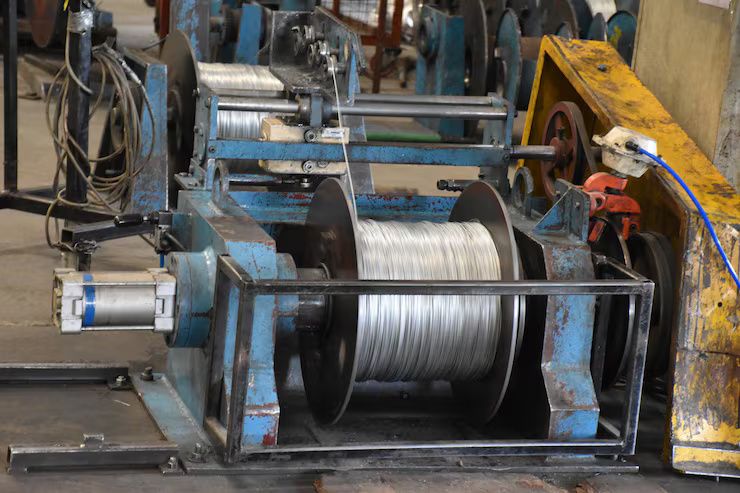
A wire stripping machine is a device used to remove insulation from electrical wires so that the conductive material inside can be accessed. This step is essential in the cable manufacturing process, where wires must be prepared for connections, assembly, or further processing.
The need for wire stripping emerged alongside the development of electrical systems. As cables became more widely used in power distribution, communication, and electronics, efficient methods for cable insulation removal became necessary. Early methods involved simple manual tools, while modern systems now include automatic wire stripping machines designed for precision and consistency.
Today, wire processing equipment is a key part of cable production methods. It ensures that wires are handled accurately without damaging the conductive core, which is critical for performance and safety.
Importance
Wire stripping plays an important role in electrical systems because it directly affects how connections are made. Improper stripping can damage wires, reduce conductivity, or create safety risks.
The importance of wire stripping machines can be understood in several ways:
- Precision in electrical wire stripping ensures proper connections in circuits
- Efficiency in cable manufacturing process reduces time and manual effort
- Consistency in output supports reliable performance across different applications
- Safety improvements reduce the risk of faults or short circuits
These factors are relevant not only in industrial environments but also in everyday applications such as home wiring, electronic devices, and automotive systems. The growing demand for reliable electrical systems has increased the use of advanced wire processing equipment.
Types of Wire Stripping Machines
Different types of wire stripping machines are designed based on usage, scale, and level of automation.
Manual Wire Stripping Tools
Manual wire stripping tools are simple devices used for small-scale tasks. They require physical effort and are commonly used in basic electrical work.
- Suitable for low-volume applications
- Easy to operate without complex setup
- Common in household and repair tasks
Semi-Automatic Machines
Semi-automatic machines combine manual input with automated functions. They are used in workshops where moderate production is required.
- Provide improved efficiency compared to manual tools
- Require some operator control
- Suitable for medium-scale cable production methods
Automatic Wire Stripping Machines
Automatic wire stripping machines are designed for high-volume operations. They use programmed settings to strip wires quickly and accurately.
- Used in large-scale cable manufacturing process
- Offer consistent results with minimal manual intervention
- Handle different wire sizes and insulation types
Specialized Wire Processing Equipment
Some machines are designed for specific applications, such as multi-core cables or delicate electronic wires.
- Used in electronics and communication industries
- Focus on precision and minimal damage
- Adapted for complex wire stripping process requirements
Wire Stripping Machine Working
Understanding wire stripping machine working helps explain how these devices perform cable insulation removal.
Basic Working Principle
The process involves removing the outer insulation layer without cutting the internal conductor. This is achieved through controlled cutting and pulling mechanisms.
Key Steps in the Process
- The wire is inserted into the machine
- The machine measures the required stripping length
- Blades cut through the insulation layer
- The insulation is removed, exposing the conductor
This sequence ensures accurate electrical wire stripping while maintaining the integrity of the wire.
Important Components
Wire stripping machines include several essential parts:
- Cutting blades designed for precise insulation removal
- Feed rollers that guide the wire through the system
- Control panel for setting parameters
- Sensors that detect wire position and length
These components work together to ensure efficiency in the wire stripping process.
Cable Manufacturing Process
Wire stripping is one step within the larger cable manufacturing process. Understanding the full process provides better context.
Raw Material Preparation
The process begins with conductive materials such as copper or aluminum, which are shaped into wires.
Insulation Application
Wires are coated with insulating materials to protect against electrical leakage and environmental factors.
Wire Stripping and Processing
At certain stages, insulation is removed using wire stripping machines to prepare wires for connections or assembly.
Assembly and Finishing
Cables are assembled, tested, and prepared for use in different applications.
Comparison of Wire Stripping Methods
| Method | Operation Style | Suitable Use Case | Precision Level |
|---|---|---|---|
| Manual Tools | Hand-operated | Small tasks | Moderate |
| Semi-Automatic Machines | Partial automation | Medium-scale production | High |
| Automatic Machines | Fully automated | Large-scale manufacturing | Very high |
| Specialized Equipment | Application-specific | Complex wire systems | Very high |
Recent Updates
Recent developments in wire processing equipment focus on automation and precision. Many modern systems now include digital controls that allow operators to set exact stripping lengths and parameters.
Another trend is the integration of smart sensors in automatic wire stripping machines. These sensors help detect errors, improve accuracy, and reduce material waste during the cable manufacturing process.
There is also increasing interest in compact and energy-efficient machines. These designs support flexible production environments and reduce space requirements.
Laws or Policies
Wire stripping and cable manufacturing are influenced by safety and quality standards in many countries.
Safety Regulations
Machines must meet safety requirements to prevent accidents during operation. Protective features and proper handling procedures are often required.
Electrical Standards
Electrical wire stripping must comply with standards related to insulation, conductivity, and performance. These standards ensure reliable connections.
Environmental Guidelines
Cable production methods may be subject to environmental rules regarding material usage and waste management.
These regulations help ensure that wire processing equipment operates safely and consistently.
Tools and Resources
Various tools and resources support the understanding and use of wire stripping machines.
Measurement Tools
Devices such as gauges and rulers help determine correct stripping lengths and wire sizes.
Digital Control Systems
Modern machines include software interfaces for setting parameters and monitoring performance.
Training Materials
Educational guides explain wire stripping process techniques and machine operation.
Maintenance Checklists
Regular inspection routines help maintain efficiency and extend the lifespan of wire processing equipment.
FAQs
What is a wire stripping machine used for?
A wire stripping machine is used for removing insulation from wires to expose the conductive core for connections or assembly.
How does the wire stripping process work?
The wire stripping process involves cutting the insulation layer and removing it without damaging the internal conductor.
What are the types of wire stripping machines?
Types of wire stripping machines include manual tools, semi-automatic machines, automatic wire stripping machines, and specialized equipment.
Where is electrical wire stripping used?
Electrical wire stripping is used in cable manufacturing process, electronics assembly, automotive systems, and household wiring.
Why is wire stripping machine working important in manufacturing?
Wire stripping machine working is important because it ensures accurate insulation removal, which supports proper connections and system reliability.
Conclusion
Wire stripping machines are essential tools within the cable manufacturing process, supporting accurate and efficient insulation removal. Different types of machines are used based on scale and application, ranging from manual tools to fully automated systems. Understanding the wire stripping process and its role in cable production methods helps explain its importance in modern electrical systems. As technology advances, wire processing equipment continues to improve in precision and efficiency.