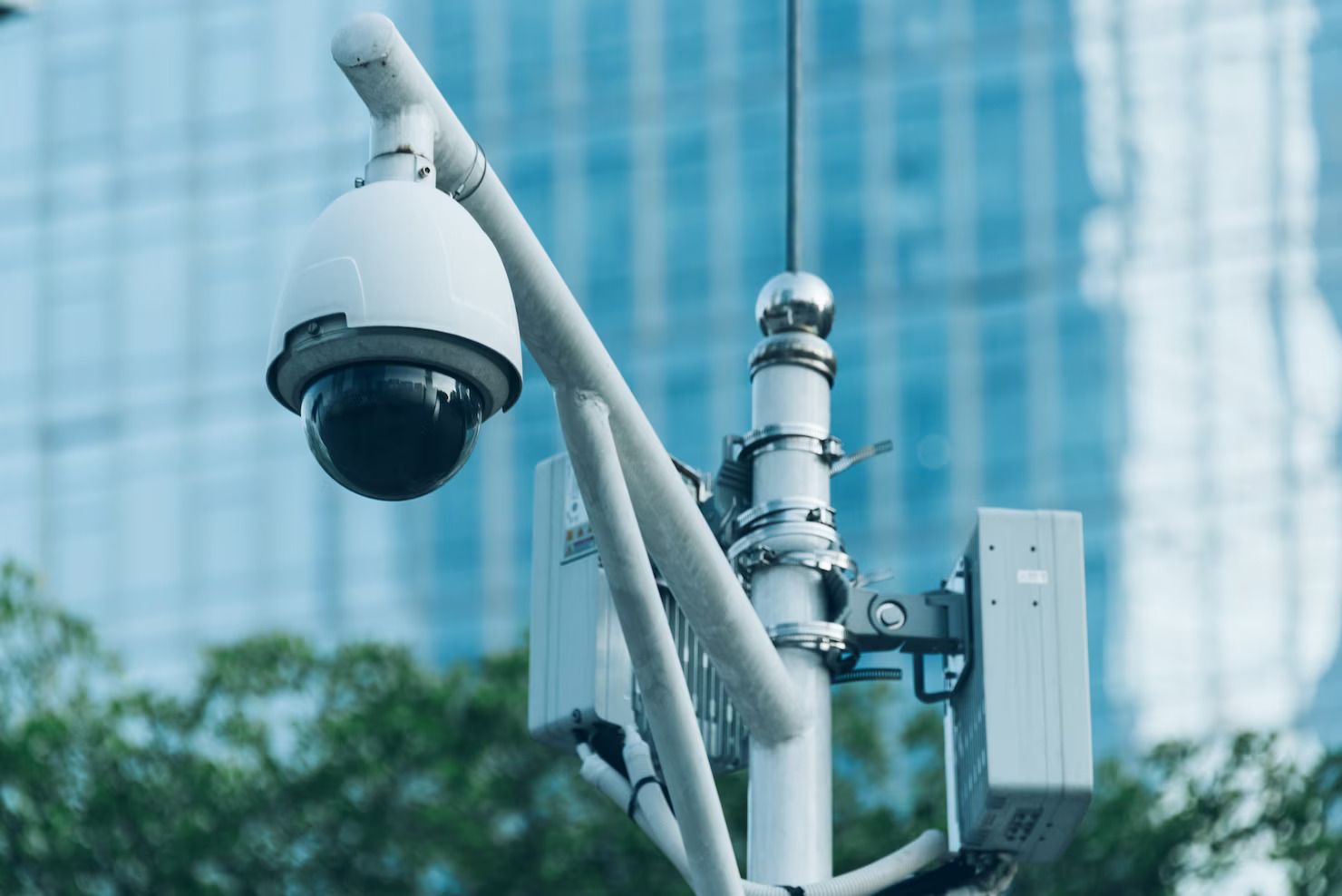
Wireless cameras are digital surveillance devices designed to capture and transmit video without requiring traditional wired connections for data transmission. These systems usually connect through Wi-Fi networks, allowing footage to be viewed remotely using computers, tablets, or smartphones.
The development of wireless camera technology emerged from the need for more flexible security monitoring. Traditional surveillance systems required complex wiring and physical storage devices. Wireless systems simplified installation and made it easier to monitor locations from anywhere with an internet connection.
Wireless cameras are commonly used in homes, offices, public areas, warehouses, and educational institutions. Their ability to stream real-time footage and store recordings digitally has transformed the way individuals and organizations monitor safety.
As internet connectivity and smart devices became widespread, wireless cameras evolved into an important component of modern security infrastructure. They often integrate with cloud platforms, mobile applications, and smart home ecosystems, enabling users to monitor activity from virtually any location.
Why Wireless Camera Technology Matters Today
In today's connected environment, safety monitoring and remote observation have become increasingly important. Wireless cameras provide a practical way to observe surroundings without requiring complex infrastructure.
Several factors have increased their relevance:
- Growth of smart homes and connected devices
- Increased awareness of digital security and monitoring
- Need for remote access to real-time video
- Expansion of cloud computing and data storage systems
Wireless cameras are particularly useful for:
- Home safety monitoring
- Office security observation
- Industrial facility surveillance
- Educational institution monitoring
- Public infrastructure observation
These systems help address common monitoring challenges such as limited physical presence, large property areas, and the need for continuous observation.
Below is a simplified comparison of traditional wired systems and wireless camera systems.
| Feature | Wired Cameras | Wireless Cameras |
|---|---|---|
| Installation Complexity | Higher | Lower |
| Remote Access | Limited | Widely available |
| Flexibility | Fixed locations | Flexible placement |
| Connectivity | Physical cables | Wi-Fi or network connection |
| Scalability | More complex | Easier to expand |
Wireless camera systems provide flexibility and adaptability, making them suitable for a wide range of environments.
Recent Developments in Wireless Camera Technology
Wireless surveillance technology has experienced significant advancements in recent years. Improvements in artificial intelligence, connectivity standards, and data processing have enhanced how these systems operate.
Key developments during 2024–2025 include:
AI-Based Motion Detection
Modern wireless cameras increasingly use artificial intelligence to distinguish between people, animals, and moving objects. This helps reduce unnecessary alerts and improves monitoring accuracy.
Edge Computing Integration
Edge computing allows cameras to process data locally before sending it to cloud platforms. This approach improves speed and reduces network bandwidth usage.
Enhanced Video Resolution
Many newer systems now support high-resolution formats such as 4K video monitoring, improving image clarity and detail in surveillance footage.
Improved Encryption Standards
Security improvements have strengthened data protection for video streams and stored recordings, reducing risks related to unauthorized access.
Integration With Smart Ecosystems
Wireless cameras now commonly integrate with smart home platforms and automation systems, allowing users to manage multiple devices through centralized dashboards.
The growth of Internet-of-Things (IoT) devices has also contributed to expanding wireless camera capabilities.
A simplified trend overview is shown below.
| Year | Major Technology Focus |
|---|---|
| 2022 | Cloud video monitoring expansion |
| 2023 | Smart home integration |
| 2024 | AI motion detection improvements |
| 2025 | Edge computing and stronger encryption |
These developments highlight the rapid evolution of wireless surveillance technology.
Regulations and Privacy Policies Affecting Wireless Cameras
Wireless camera usage is influenced by privacy laws, digital security regulations, and government guidelines that vary by country. These policies aim to balance surveillance benefits with personal privacy protection.
In India, several legal frameworks are relevant to surveillance technologies.
Information Technology Act (2000)
This law addresses digital data protection and cyber security practices related to internet-connected systems.
Digital Personal Data Protection Act (2023)
Introduced to strengthen privacy protections, this law outlines how organizations must manage and safeguard personal data, including video recordings that may identify individuals.
Public Surveillance Guidelines
Government authorities and institutions deploying cameras in public areas must follow specific transparency and security guidelines to ensure responsible monitoring.
Common regulatory considerations include:
- Informing individuals about surveillance in monitored spaces
- Protecting stored video data
- Preventing unauthorized access to camera systems
- Ensuring cybersecurity measures for connected devices
These regulations are designed to maintain responsible use of surveillance technologies while protecting individual privacy.
Useful Tools and Resources for Understanding Wireless Cameras
Several digital tools and resources help individuals understand, manage, and monitor wireless camera systems more effectively.
Common categories of helpful resources include:
Network Monitoring Applications
- Applications that analyze Wi-Fi strength and network performance
- Tools that help determine camera placement for stable connectivity
Video Storage Platforms
- Cloud platforms that securely store recorded footage
- Systems that allow easy retrieval of archived recordings
Security Configuration Tools
- Password management applications
- Network security monitoring software
Technical Learning Platforms
- Online knowledge bases explaining camera installation and operation
- Technology documentation libraries that provide detailed guides
Mobile Monitoring Applications
Popular mobile applications used to monitor smart devices include:
- Google Home
- Amazon Alexa
- Apple Home
These applications allow users to monitor connected devices, including cameras, through centralized dashboards.
Common Wireless Camera Features
Modern wireless cameras often include multiple features designed to improve monitoring efficiency.
Key features include:
- High-definition video recording
- Night vision technology
- Motion detection alerts
- Two-way audio communication
- Mobile device notifications
Below is a simple overview of typical camera components.
| Component | Function |
|---|---|
| Lens | Captures visual footage |
| Sensor | Converts light into digital signals |
| Wi-Fi Module | Transmits data through networks |
| Storage System | Saves video recordings |
| Software Interface | Allows monitoring and control |
Understanding these components helps explain how wireless camera systems operate.
Frequently Asked Questions
What is a wireless camera?
A wireless camera is a surveillance device that transmits video signals through wireless networks instead of physical cables. These cameras connect to Wi-Fi networks and allow users to monitor footage remotely.
How do wireless cameras store recordings?
Wireless cameras typically store recordings through cloud platforms, network video recorders, or local storage cards. The storage method depends on the system configuration.
Are wireless cameras secure?
Most modern wireless cameras include encryption, authentication controls, and secure network connections. Maintaining strong passwords and secure networks helps protect camera systems.
Do wireless cameras require internet access?
Wireless cameras usually rely on internet connectivity for remote viewing and cloud storage. However, some systems can record locally even without an active internet connection.
Where are wireless cameras commonly used?
Wireless cameras are used in homes, offices, retail stores, warehouses, educational institutions, and public infrastructure environments.
Conclusion
Wireless cameras have become an important part of modern monitoring technology. Their ability to transmit video through wireless networks allows flexible placement, remote access, and simplified installation compared with traditional wired systems.
Advancements in artificial intelligence, cloud computing, and edge processing continue to improve their capabilities. These innovations allow more efficient monitoring while supporting smarter security systems.
At the same time, regulatory frameworks and privacy laws play a crucial role in ensuring responsible usage. Understanding the technological features, legal considerations, and available tools helps individuals and organizations make informed decisions when adopting wireless surveillance systems.
As digital infrastructure continues to expand, wireless cameras will likely remain a significant component of connected environments, supporting safety monitoring and technological innovation across many sectors.