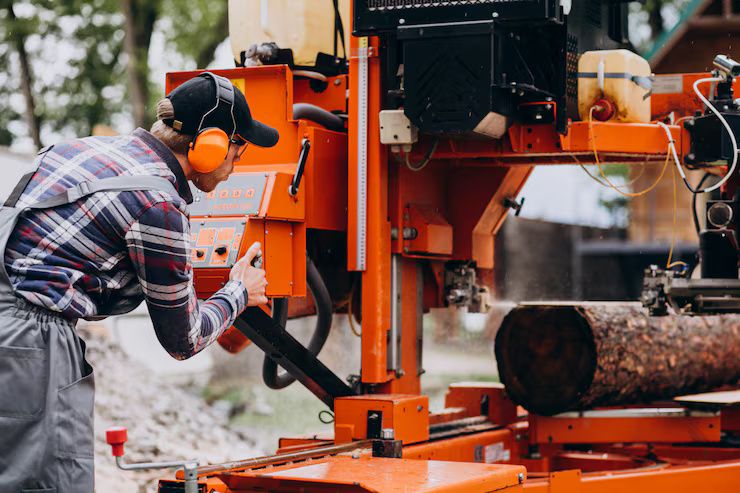
Woodworking machinery refers to mechanical and automated equipment used to cut, shape, join, and finish wood and wood-based materials. These machines exist to support efficient, accurate, and repeatable processing of wood for products such as furniture, construction components, flooring, cabinetry, and decorative items.
Historically, woodworking relied on hand tools and manual skills passed down through generations. As demand for wood products increased and production volumes grew, machinery was introduced to improve consistency and reduce physical effort. Early machines focused on basic sawing and planing, while modern woodworking machinery integrates precision engineering, automation, and digital control systems.
Today, woodworking machinery plays a central role in both small workshops and large industrial facilities. It supports standardized production, complex designs, and scalable manufacturing while helping maintain material quality and dimensional accuracy across different stages of wood processing.
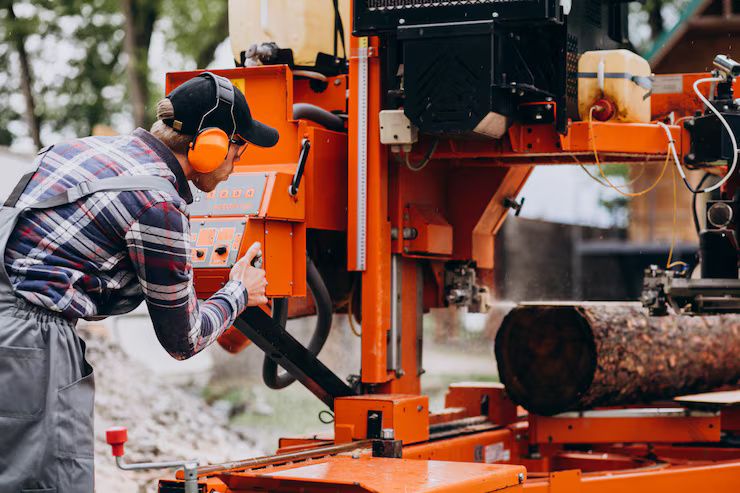
Importance: Why Woodworking Machinery Matters Today
Woodworking machinery is essential to modern furniture and wood industries because it directly influences productivity, quality, and workplace safety. As consumer expectations and design complexity increase, machinery enables manufacturers to meet technical and aesthetic requirements efficiently.
Woodworking machinery matters today because it:
-
Supports consistent quality and precise dimensions
-
Enables efficient processing of large volumes of wood
-
Reduces physical strain and manual handling risks
-
Allows complex designs through controlled operations
This topic affects furniture manufacturers, carpentry professionals, interior designers, and supply chain stakeholders involved in wood-based products. It also impacts workers who rely on machinery to perform tasks safely and accurately.
By addressing challenges such as material waste, inconsistent finishes, and labor-intensive processes, woodworking machinery helps solve operational inefficiencies and supports sustainable use of wood resources.
Recent Updates: Developments and Trends from the Past Year
During 2024 and 2025, woodworking machinery has continued to evolve alongside broader industrial automation trends. One notable development in early 2024 was the increasing adoption of CNC-based woodworking equipment. These systems allow digital designs to be translated into precise cutting and shaping operations, improving repeatability and reducing manual adjustments.
In mid-2024, discussions within the wood industry emphasized dust control and workplace safety. Updated machinery designs focused on improved extraction systems and enclosed cutting areas to support healthier working environments.
By late 2024 and into 2025, energy efficiency and material optimization became more prominent themes. Woodworking machinery manufacturers and industry researchers highlighted approaches to reduce waste through better cutting patterns and real-time monitoring of material usage.
Another emerging trend has been the integration of digital monitoring tools. Machines equipped with sensors and software now provide data on performance, maintenance needs, and process consistency, supporting informed operational decisions.
Laws and Policies: Regulatory and Safety Considerations
Woodworking machinery is influenced by occupational safety regulations and industrial standards designed to protect workers and ensure responsible equipment use. These regulations focus on machine guarding, dust control, noise exposure, and operator safety.
In the United States, guidance from the Occupational Safety and Health Administration outlines safety expectations for woodworking equipment, including protective measures and training requirements.
International standards published by the International Organization for Standardization influence machinery design, testing, and performance benchmarks across the woodworking sector.
In India, workplace safety and industrial guidelines under the Ministry of Labour and Employment help shape safe operation practices in woodworking facilities. Environmental policies related to wood sourcing and waste management also indirectly influence machinery usage.
Compliance with these regulations supports safer workplaces and encourages responsible production practices within the wood industry.
Tools and Resources: Learning and Operational References
Various tools and resources support understanding and effective use of woodworking machinery. These resources are commonly used for education, training, and process planning.
Helpful tools and references include:
-
Woodworking machinery operation manuals and safety guides
-
Digital design software used for CNC woodworking applications
-
Production planning templates for furniture manufacturing
-
Educational platforms focused on woodworking technology
-
Industry publications covering wood processing innovations
The table below outlines common woodworking machinery and their primary functions:
| Machinery Type | Primary Function | Typical Application |
|---|---|---|
| Sawing machines | Cutting wood to size | Panels, boards |
| Planers and jointers | Surface leveling and shaping | Furniture components |
| CNC routers | Precision cutting and carving | Complex designs |
| Sanding machines | Surface finishing | Smooth texture preparation |
| Drilling machines | Hole creation and joinery | Assembly processes |
These tools and resources help build foundational knowledge and support consistent, safe operations.
Frequently Asked Questions About Woodworking Machinery
What is the main role of woodworking machinery?
Woodworking machinery supports efficient and accurate processing of wood, enabling consistent production of furniture and wood products.
How does machinery improve furniture quality?
Machines provide precise control over dimensions and finishes, reducing variation and improving overall product consistency.
Is woodworking machinery used only in large factories?
No, woodworking machinery is used in both small workshops and large industrial facilities, with equipment scaled to different production needs.
Why is safety important when using woodworking machinery?
Woodworking involves sharp tools and moving parts, making safety measures essential to prevent injuries and long-term health risks.
How does technology influence modern woodworking machines?
Technology enables digital design integration, automated control, and performance monitoring, supporting efficiency and precision.
Conclusion: The Continuing Role of Woodworking Machinery
Woodworking machinery remains a cornerstone of the furniture and wood industries. By enabling precise cutting, shaping, and finishing, these machines support quality, efficiency, and workplace safety across production environments.
Understanding recent developments, regulatory influences, and available learning resources helps readers appreciate how woodworking machinery contributes to modern manufacturing. As technology and sustainability considerations continue to shape the industry, woodworking machinery will remain essential to responsible and efficient wood processing.