Woodworking machinery refers to mechanical and automated equipment used to cut, shape, join, and finish wood and wood-based materials. These machines exist to support efficient, accurate, and repeatable processing of wood for products such as furniture, construction components, flooring, cabinetry, and decorative items.
Historically, woodworking relied on hand tools and manual skills passed down through generations. As demand for wood products increased, machinery was introduced to improve consistency and reduce physical effort. Early machines focused on basic cutting and shaping, while modern systems now integrate precision engineering, automation, and digital control.
Today, woodworking machinery is widely used in both small workshops and large industrial facilities. It supports standardized production, complex designs, and scalable manufacturing while maintaining material quality and dimensional accuracy.
Importance: Why Woodworking Machinery Matters Today
Woodworking machinery plays a critical role in modern furniture and wood industries. It directly affects productivity, quality, and workplace safety in manufacturing environments.
Key Reasons This Topic Matters
Woodworking machinery is important because it:
- Supports consistent quality and precise dimensions
- Enables efficient processing of large volumes of wood
- Reduces physical strain and manual handling risks
- Allows complex designs through controlled operations
This topic is relevant to furniture manufacturers, carpenters, designers, and supply chain professionals. It helps address challenges such as material waste, inconsistent finishes, and labor-intensive processes.
Recent Updates: Trends and Developments
Woodworking machinery has evolved alongside industrial automation and efficiency trends during 2024 and 2025. These developments focus on improving precision, safety, and sustainability.
CNC Technology Adoption
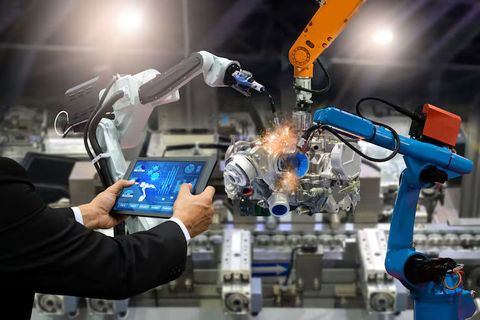
In early 2024, CNC-based woodworking machines became more widely used. These systems translate digital designs into precise cutting and shaping operations, improving repeatability.
Improved Safety and Dust Control
By mid-2024, increased attention was given to workplace safety. Machinery designs began incorporating better dust extraction systems and enclosed cutting areas.
Energy Efficiency and Material Optimization
Late 2024 and early 2025 highlighted energy efficiency and waste reduction. Improved cutting patterns and monitoring tools helped reduce material loss.
Digital Monitoring Integration
Another trend is the integration of sensors and software. These tools provide data on machine performance, maintenance needs, and process consistency.
Laws and Policies: Safety and Standards
Woodworking machinery is governed by safety regulations and industrial standards that ensure safe operation and responsible use. These frameworks focus on worker protection and equipment reliability.
Occupational Safety Regulations
In the United States, guidelines from the Occupational Safety and Health Administration outline safety requirements such as machine guarding and operator training.
International Standards
The International Organization for Standardization provides global standards for machinery design, testing, and performance.
Indian Regulations
In India, safety practices are influenced by frameworks under the Ministry of Labour and Employment. These guidelines help ensure safe working conditions in woodworking environments.
Environmental policies related to wood sourcing and waste management also play a role in shaping machinery use.
Tools and Resources for Woodworking Machinery
Various tools and resources help users understand and operate woodworking machinery effectively. These resources support education, planning, and safe usage.
Useful Tools and References
- Machinery operation manuals and safety guides
- Digital design software for CNC applications
- Production planning templates
- Educational platforms on woodworking technology
- Industry publications on wood processing
Common Woodworking Machinery and Functions
| Machinery Type | Primary Function | Typical Application |
|---|---|---|
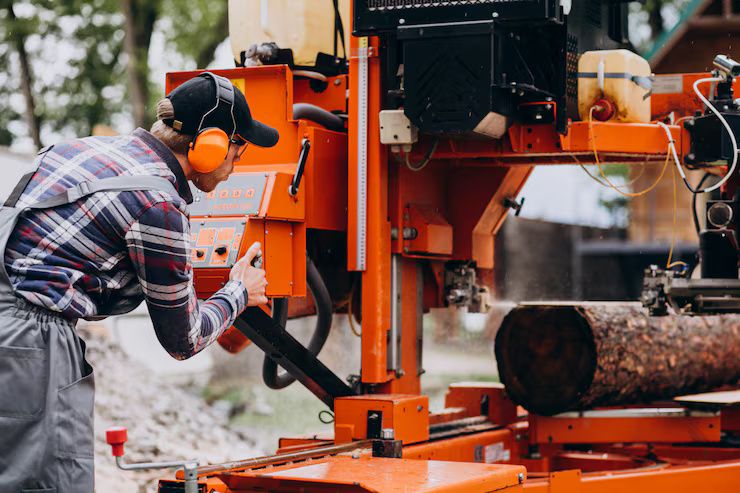
| Sawing machines | Cutting wood to size | Panels, boards |
| Planers and jointers | Surface leveling and shaping | Furniture components |
| CNC routers | Precision cutting and carving | Complex designs |
| Sanding machines | Surface finishing | Smooth texture preparation |
| Drilling machines | Hole creation and joinery | Assembly processes |
Frequently Asked Questions About Woodworking Machinery
What is the main role of woodworking machinery?
It enables efficient and accurate processing of wood, supporting consistent production of furniture and wood products.
How does machinery improve quality?
Machines provide precise control over dimensions and finishes, reducing variation and improving consistency.
Is woodworking machinery only for large factories?
No, it is used in both small workshops and large industrial setups, depending on production needs.
Why is safety important?
Woodworking involves sharp tools and moving parts, making safety measures essential to prevent injuries.
How does technology influence modern machines?
Technology enables automation, digital design integration, and performance monitoring, improving efficiency and accuracy.
Conclusion: Role of Woodworking Machinery in Modern Industry
Woodworking machinery remains essential in furniture and wood industries. It supports precise cutting, shaping, and finishing while improving efficiency and safety.
Understanding its importance, recent developments, regulatory frameworks, and available resources helps provide a clear perspective on its role. As technology and sustainability continue to shape the industry, woodworking machinery will remain a key part of modern production systems.