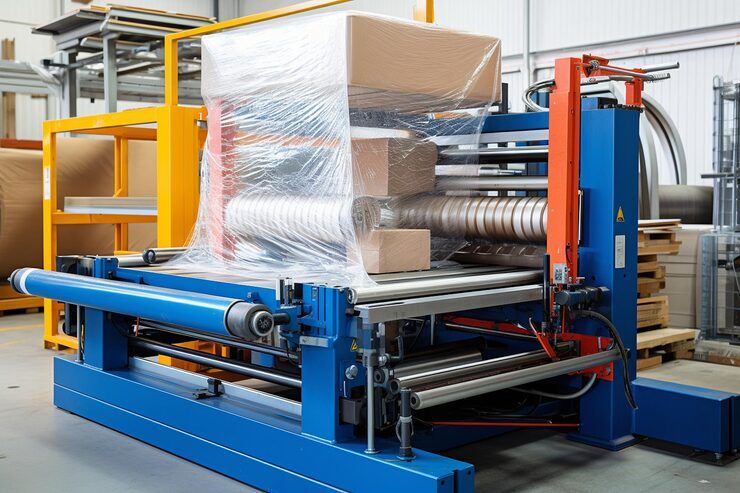
A wrapping machine is a type of industrial packaging equipment designed to apply wrapping material around products, bundles, or palletized loads. The purpose is to protect items, maintain stability, and ensure safe handling during storage and transportation. These machines emerged as production volumes increased and manual wrapping methods became inefficient and inconsistent.
Modern wrapping systems are widely used across manufacturing plants, distribution centers, and logistics facilities. They handle different wrapping methods depending on the application. Stretch wrapping focuses on securing pallet loads, shrink wrapping provides tight coverage for individual products, and flow wrapping supports high-speed packaging for uniform items.
At a basic level, a wrapping machine works by coordinating mechanical movement with controlled material release. Motors rotate the product or wrapping arm, while rollers guide the wrapping film. Sensors and control units manage speed, tension, and alignment to achieve consistent coverage. This automation reduces variation and supports standardized packaging practices.
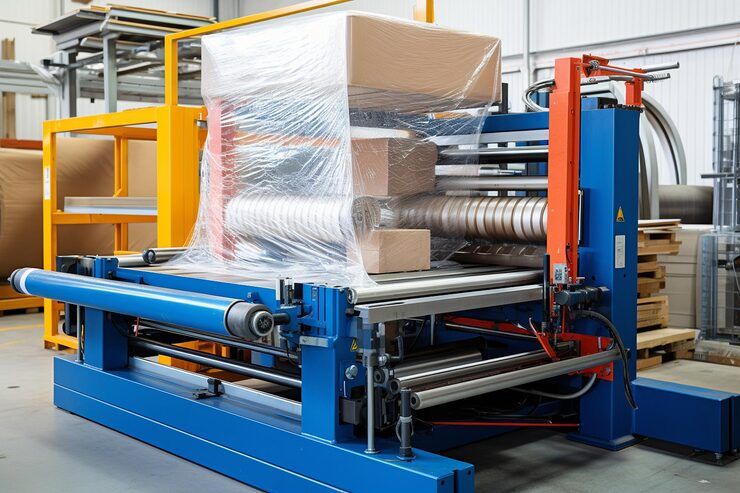
Importance: Why Wrapping Machines Matter Today
Wrapping machines play an important role in modern supply chains where products must move efficiently and safely. As distribution networks expand and handling steps increase, packaging stability becomes critical.
These systems matter because they help address several practical challenges:
-
Reducing product movement during transit
-
Protecting goods from dust, moisture, and external contact
-
Supporting uniform packaging standards across locations
-
Improving throughput in high-volume environments
-
Reducing material overuse through controlled application
Wrapping machines affect a wide range of stakeholders, including manufacturers, warehouse operators, logistics planners, and quality teams. Inconsistent wrapping can lead to damaged goods, unstable pallet loads, and operational delays.
In regulated industries such as food processing and pharmaceuticals, wrapping equipment also supports hygiene and traceability goals. Automated wrapping limits direct handling and helps maintain consistent packaging conditions.
Recent Updates: Changes and Trends in the Past Year
Over the past year, wrapping technology has continued to advance, with a strong focus on automation, monitoring, and material efficiency.
Key developments observed during 2024 and 2025 include:
-
Smart control systems (2024–2025)
New wrapping machines increasingly use programmable logic controllers with touch interfaces. These systems allow operators to store wrapping parameters for different load types. -
Sensor-based load detection
Wrapping systems introduced in late 2024 began using load-height and load-weight sensors. These sensors automatically adjust film tension and rotation speed. -
Energy-optimized drives
During 2025, manufacturers emphasized variable-speed motors that reduce energy usage during idle cycles and partial loads. -
Data integration with factory platforms
Wrapping machines are now more commonly connected to production monitoring dashboards. This allows real-time tracking of output, downtime, and material usage. -
Material compatibility improvements
Machines have been updated to handle thinner and recyclable wrapping films without compromising load stability.
These updates reflect broader trends toward data-driven packaging operations and improved resource management.
Laws or Policies: How Regulations Influence Wrapping Systems
Wrapping machines are influenced by safety, environmental, and industrial regulations that vary by country. In India and many other regions, these rules focus on operator safety, machine guarding, and material use.
Common regulatory considerations include:
-
Industrial safety standards
Guidelines require emergency stop functions, protective guards, and clear labeling on moving components. -
Electrical compliance rules
Control panels and wiring must meet national electrical safety codes to reduce operational risks. -
Environmental packaging guidelines
Policies increasingly encourage reduced plastic use and support recyclable or lightweight wrapping materials. -
Factory inspection requirements
Wrapping machines are often reviewed during routine safety audits to ensure compliance with workplace standards.
Government programs that promote manufacturing modernization also indirectly affect wrapping technology adoption by encouraging automation and efficiency improvements.
Tools and Resources: Helpful Support for Wrapping Systems
Several tools and resources help organizations plan, operate, and evaluate wrapping machines. These tools focus on performance tracking, process optimization, and operator awareness.
Commonly used resources include:
-
Packaging line efficiency calculators
-
Film usage estimation templates
-
Machine operation manuals and digital guides
-
Preventive maintenance checklists
-
Industrial automation monitoring platforms
Example Table: Key Wrapping Machine Parameters
| Parameter | Purpose | Typical Impact |
|---|---|---|
| Film tension setting | Controls wrap tightness | Load stability |
| Rotation speed | Manages cycle time | Throughput |
| Overlap percentage | Defines layer coverage | Material use |
| Load height detection | Adjusts wrap pattern | Consistency |
These resources support informed decision-making and help maintain consistent wrapping quality.
FAQs: Common Questions About Wrapping Machines
What types of wrapping machines are commonly used?
Common types include stretch wrapping machines, shrink wrapping machines, and flow wrapping systems. Each type is designed for specific packaging needs.
How does a wrapping machine maintain consistent tension?
Tension is controlled through mechanical brakes, powered rollers, or electronic sensors that adjust film release based on load resistance.
Are wrapping machines suitable for irregular loads?
Yes, many modern systems use sensors and adjustable programs to handle uneven or non-uniform pallet shapes.
What role do control panels play in wrapping systems?
Control panels allow operators to set parameters such as speed, tension, and wrap count. Advanced panels store multiple wrapping programs.
How often do wrapping machines require maintenance?
Maintenance frequency depends on usage, but regular inspection of rollers, motors, and sensors helps ensure stable operation.
Conclusion: Key Takeaways on Modern Wrapping Systems
Wrapping machines are an essential part of modern packaging and logistics operations. They exist to improve consistency, protect products, and support efficient material handling. By automating repetitive tasks, these systems help organizations maintain stable packaging standards across large volumes.
Recent developments show a clear shift toward smarter controls, sensor-based adjustments, and data integration. At the same time, regulations and environmental guidelines continue to shape how wrapping systems are designed and operated.
Understanding how modern wrapping machines work helps businesses, operators, and planners make informed decisions about packaging processes. As production environments evolve, wrapping technology will remain a foundational element of reliable and organized material movement.