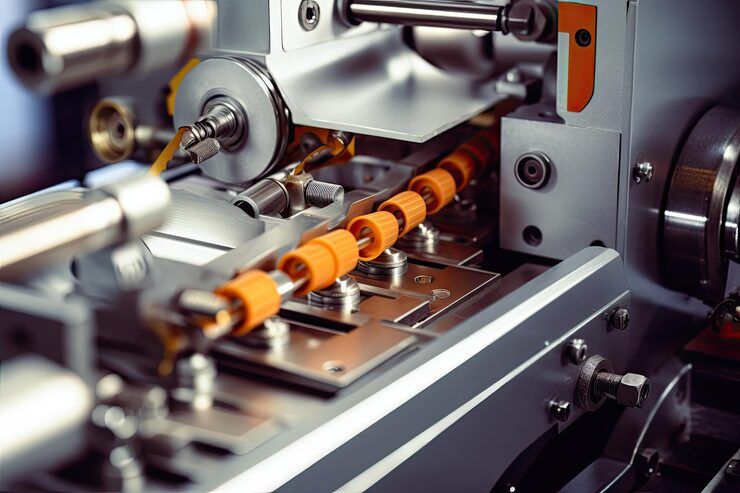
Industrial processing machines play a central role in modern manufacturing. These systems are designed to transform raw materials into finished or semi-finished products across industries such as food, chemicals, textiles, metals, and pharmaceuticals. Understanding how these machines work helps businesses improve efficiency, maintain quality, and adapt to evolving production needs.
From simple mechanical tools to highly automated systems, industrial machinery systems have evolved significantly. Today’s manufacturing process equipment integrates digital controls, sensors, and advanced materials to deliver consistent output while minimizing waste. This guide explains the basics, types, functions, and key considerations of industrial production machinery in a clear and practical way.
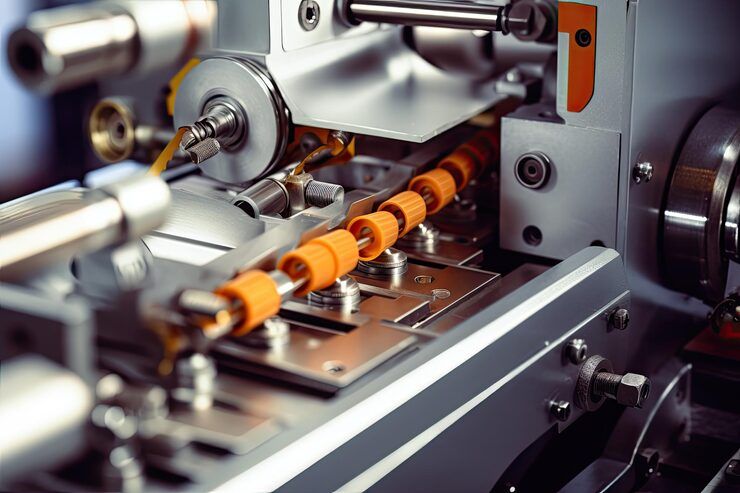
What Are Industrial Processing Machines?
Industrial processing machines are specialized equipment used to handle, modify, or transform materials during production. These machines perform tasks such as mixing, heating, cutting, forming, packaging, and quality inspection.
Processing equipment for industries is designed to operate continuously under demanding conditions. It ensures that production processes remain stable, repeatable, and efficient. Whether in a small-scale facility or a large manufacturing plant, these machines form the backbone of production workflows.
Key Functions of Industrial Machinery Systems
Industrial machinery systems are designed to perform multiple functions that contribute to the manufacturing cycle. Each function plays a role in maintaining productivity and product consistency.
- Material handling: moving raw materials between stages of production
- Processing: altering physical or chemical properties
- Assembly: combining components into finished products
- Packaging: preparing products for storage or distribution
- Quality control: ensuring standards are met throughout production
These functions often work together in an integrated system, allowing seamless transitions between different production stages.
Types of Industrial Processing Machines
Different industries rely on specific types of machines depending on the materials and processes involved. Below is a simplified overview of common categories.
| Machine Type | Primary Function | Common Industries |
|---|---|---|
| Mixing Equipment | Blends materials into uniform mixtures | Food, chemicals |
| Cutting Machines | Shapes or trims materials | Metal, textile |
| Heat Processing Units | Applies controlled temperature | Food, plastics |
| Forming Machines | Shapes materials into desired forms | Automotive, construction |
| Packaging Systems | Prepares products for distribution | Consumer goods |
| Conveying Systems | Transfers materials between stages | All manufacturing sectors |
Each category serves a specific purpose, but they often operate together as part of a complete industrial production machinery setup.
How Manufacturing Process Equipment Works
Manufacturing process equipment typically follows a sequence of operations. Raw materials enter the system, undergo various transformations, and exit as finished products.
The process begins with material preparation, where raw inputs are cleaned or pre-treated. Next comes the main processing stage, where machines perform actions such as heating, mixing, or shaping. Finally, products are inspected and packaged before distribution.
Automation plays a major role in modern systems. Sensors monitor variables like temperature, pressure, and speed, while control systems adjust operations in real time. This reduces human error and improves overall efficiency.
Benefits of Industrial Production Machinery
Industrial production machinery provides several advantages that make it essential for modern manufacturing.
- Consistency: ensures uniform product quality
- Efficiency: reduces production time and resource use
- Scalability: supports increased output without major changes
- Safety: minimizes manual handling and workplace risks
- Precision: enables accurate processing and reduced waste
These benefits contribute to smoother operations and better long-term performance for industrial facilities.
Factors to Consider When Choosing Processing Equipment for Industries
Selecting the right processing equipment for industries requires careful evaluation. Not all machines are suitable for every application, and choosing the wrong system can lead to inefficiencies.
Key factors include:
- Type of material being processed
- Production volume and capacity requirements
- Level of automation needed
- Energy consumption and efficiency
- Maintenance requirements and durability
- Compatibility with existing systems
A well-matched machine improves productivity and reduces operational challenges.
Role of Automation in Industrial Machinery Systems
Automation has transformed how industrial machinery systems operate. Modern machines are equipped with programmable logic controllers (PLCs), sensors, and data monitoring tools.
These technologies allow machines to operate with minimal human intervention. Automated systems can adjust settings based on real-time data, ensuring optimal performance. For example, temperature control systems can maintain precise conditions during heat processing, preventing product inconsistencies.
Automation also supports predictive maintenance. By analyzing machine data, operators can identify potential issues before they lead to downtime. This helps maintain continuous production and reduces unexpected disruptions.
Maintenance and Longevity of Industrial Machines
Proper maintenance is essential for keeping industrial processing machines running efficiently. Regular inspections and servicing help prevent breakdowns and extend the lifespan of equipment.
Preventive Maintenance Practices
Preventive maintenance focuses on routine checks and timely replacements. This approach helps avoid sudden failures and keeps machines operating smoothly.
Common practices include:
- Lubricating moving parts
- Checking alignment and calibration
- Replacing worn components
- Monitoring system performance
These steps ensure that industrial machinery systems remain reliable over time.
Importance of Operator Training
Even advanced manufacturing process equipment requires skilled operators. Proper training ensures that machines are used correctly and safely.
Operators should understand machine functions, safety protocols, and basic troubleshooting techniques. This reduces the risk of errors and improves overall productivity.
Challenges in Industrial Processing Machinery
Despite their advantages, industrial processing machines come with certain challenges. Understanding these issues helps in better planning and management.
- High initial setup complexity
- Integration with existing systems
- Need for regular maintenance
- Energy consumption concerns
- Adapting to changing production requirements
Addressing these challenges requires a combination of planning, technology, and skilled workforce management.
Future Trends in Industrial Machinery Systems
The future of industrial machinery systems is shaped by innovation and digital transformation. New technologies are making machines smarter, more efficient, and more adaptable.
Key trends include:
- Smart manufacturing with connected devices
- Use of artificial intelligence for process optimization
- Energy-efficient machine designs
- Advanced materials for improved durability
- Real-time data analytics for better decision-making
These trends are driving the evolution of industrial production machinery, making it more responsive to modern manufacturing needs.
Conclusion
Industrial processing machines are essential components of modern manufacturing. They enable industries to transform raw materials into high-quality products efficiently and consistently. By understanding the types, functions, and benefits of these machines, businesses can make informed decisions about their production systems.
From basic material handling to advanced automated systems, industrial machinery continues to evolve. With proper selection, maintenance, and integration, manufacturing process equipment can support long-term productivity and operational success.