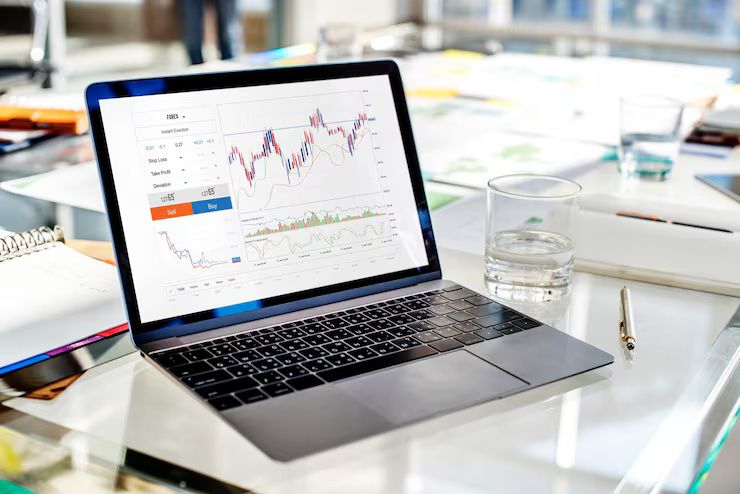
Choosing a trading platform involves more than looking at charts or the number of financial instruments available. A platform can affect how easily users monitor markets, place orders, review account information, manage risk, and access educational resources.
Trading platform advice should therefore focus on practical factors such as regulation, security, account features, trading tools, fees, order execution, usability, and available market information. The right considerations can differ depending on experience, location, trading frequency, and the type of assets being considered.
Context – Understanding a Trading Platform
A trading platform is a digital system that allows users to access financial markets through a broker or another regulated market intermediary. Depending on the provider and jurisdiction, a platform may provide access to equities, exchange-traded funds, bonds, derivatives, currencies, commodities, or other financial instruments.
Modern platforms commonly operate through websites, desktop applications, and mobile applications. Some also provide application programming interfaces (APIs), advanced charting, market alerts, technical indicators, research tools, and portfolio-monitoring features.
A trading platform generally connects the user interface with the systems responsible for receiving and routing orders. The actual transaction may take place through an exchange, alternative trading system, or another recognized execution venue.
Before selecting a platform, it is useful to understand:
- Which markets and instruments are available
- Which account types are supported
- What trading and account fees apply
- How orders are executed and reported
- What security controls are available
- Which educational and research resources are provided
- Which regulator oversees the relevant intermediary
The platform itself should not be confused with the financial market. A platform is a technology interface, while the broker, exchange, clearing organization, and regulator can have separate responsibilities.
Importance – Why Platform Selection Matters
A platform can influence how efficiently a person manages financial information and trading activity. Beginners may prioritize simple navigation and educational material, while experienced users may require advanced charts, order types, APIs, or detailed market data.
Security is another important consideration. Online investment accounts contain sensitive financial information, so authentication, account alerts, encryption, device controls, and login monitoring deserve attention. The SEC's April 2026 investor bulletin recommends measures such as multi-factor authentication, strong passphrases, account alerts, and different passwords for different accounts.
Regulatory status is equally important. In India, SEBI advises investors to deal with SEBI-recognized market infrastructure institutions and SEBI-registered intermediaries. Its Investor Charter also emphasizes understanding risks, checking account statements, protecting account credentials, and knowing the grievance-redressal process.
| Factor | What to examine | Why it matters |
|---|---|---|
| Regulation | Registration and oversight | Helps verify regulatory status |
| Security | MFA, alerts, login controls | Helps protect account access |
| Markets | Available asset classes | Determines market access |
| Order tools | Market, limit and other orders | Supports different trading approaches |
| Research | Charts, data and reports | Helps with market analysis |
| Fees | Commissions and other charges | Affects transaction expenses |
| Usability | Website and mobile interface | Influences day-to-day navigation |
| Support | Complaint and communication channels | Helps resolve account issues |
Platform selection can affect different groups in different ways. A long-term investor may focus on account structure and reporting, whereas an active trader may pay greater attention to execution tools, market data, and order functionality.
Recent Updates – Trends and Developments
Trading technology continues to become more digital and integrated. Mobile applications have become an important access point, while web-based platforms increasingly combine charts, account information, alerts, and market research within one interface.
Security has also received greater attention. Recent investor guidance in the United States highlights multi-factor authentication, account alerts, biometric safeguards where available, and protection against account takeover and financial fraud.
Artificial intelligence is another developing area. Some platforms use automated systems for data analysis, alerts, portfolio information, or research assistance. However, automated analysis does not remove market risk, and users should understand what an AI-based feature actually does before relying on it.
Regulatory disclosures are also becoming an important part of platform evaluation. In the United States, FINRA's February 2026 guidance notes that investors should consider account type, fees, expenses, investment objectives, and the nature of the services associated with brokerage or advisory accounts.
In India, SEBI issued an updated Investor Charter for Stock Brokers in February 2025. The charter addresses investor rights, responsibilities, activities involving stock brokers, and grievance-redressal mechanisms.
Laws or Policies – Regulatory Considerations
Trading platform rules depend on the country where the investor resides, the location of the intermediary, and the financial instruments involved.
In India, investors should verify whether a broker or intermediary is registered with SEBI and should review the relevant investor charter and disclosures. SEBI also provides information concerning investor rights, responsibilities, complaints, and dispute-resolution mechanisms.
Forex trading requires additional attention. The Reserve Bank of India states that resident persons may undertake permitted foreign-exchange transactions only with authorized persons and through authorized electronic trading platforms or recognized stock exchanges under applicable conditions. Transactions through unauthorized electronic trading platforms can create regulatory and legal issues under FEMA.
In the United States, brokerage firms and investment professionals are subject to federal and industry regulation. Investor.gov explains that investors can check registration and disciplinary information through regulatory databases. It also explains that SIPC protection may apply to eligible assets when a member brokerage firm fails, but SIPC does not protect against ordinary declines in investment value.
Rules concerning margin accounts, account protection, reporting, taxation, and order handling can differ substantially between countries. Users should therefore check the rules applicable to their own jurisdiction instead of relying on information intended for another market.
Tools and Resources – Helpful Research Sources
Several official resources can help users evaluate a trading platform before opening or using an account.
- SEBI Investor provides information about registered intermediaries, investor rights, responsibilities, and grievance mechanisms in India.
- RBI provides guidance about authorized electronic trading platforms for permitted foreign-exchange transactions in India.
- Investor.gov provides educational material about brokerage accounts, account protection, market participation, and regulatory checks in the United States.
- FINRA provides educational material about brokerage accounts, fees, account structures, and investment professionals.
A simple comparison checklist can also help:
- Confirm the regulator and registration status.
- Review the account agreement and disclosures.
- Compare applicable fees and other account charges.
- Check supported markets and financial instruments.
- Examine available order types and market data.
- Review security and account-recovery controls.
- Understand margin rules before using borrowed funds.
- Check how complaints and disputes are handled.
It is also useful to test the platform's navigation and understand how account statements, transaction records, tax documents, and alerts are presented.
FAQs – Trading Platform Advice
What should I check first when choosing a trading platform?
Start with regulatory status, available markets, account structure, security controls, fees, order functionality, and the quality of account reporting. These factors provide a practical foundation for comparison.
Is a mobile trading platform enough for beginners?
A mobile platform can provide convenient access to market information and account functions. However, beginners should also examine educational material, risk information, order explanations, and account documentation.
Why is regulation important for a trading platform?
Regulation establishes requirements for eligible intermediaries and provides frameworks for investor protection, disclosures, supervision, and complaint handling. Registration should be independently verified through the relevant regulator.
What security features should a platform have?
Useful controls can include multi-factor authentication, strong passwords or passphrases, login alerts, transaction notifications, device management, and secure account-recovery procedures. The SEC specifically recommends several of these measures for online investment accounts.
Should I use a margin account?
Margin accounts involve borrowing and can increase both purchasing capacity and potential losses. Investors should understand margin requirements, interest charges, margin calls, and liquidation rules before using this account structure.
Conclusion – Key Points to Remember
Choosing a trading platform requires attention to regulation, security, account structure, available markets, order functionality, research tools, usability, and applicable fees. No single platform structure is appropriate for every user because requirements vary by jurisdiction, experience, financial objectives, and trading activity.
A careful review should begin with regulatory verification and account documentation. Users should also understand the risks of the financial instruments they intend to trade and regularly monitor account statements and security alerts.
For international users, regulatory requirements can differ considerably between countries. Checking the relevant securities regulator, central bank, exchange, or investor-protection organization is an important part of responsible platform research.
A trading platform is a tool rather than a substitute for financial knowledge. Understanding how the platform works, what protections apply, and what risks are involved can help users make informed decisions based on their own circumstances.