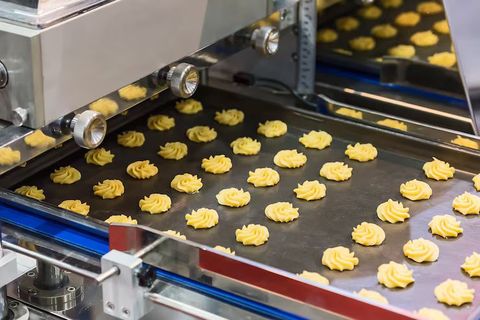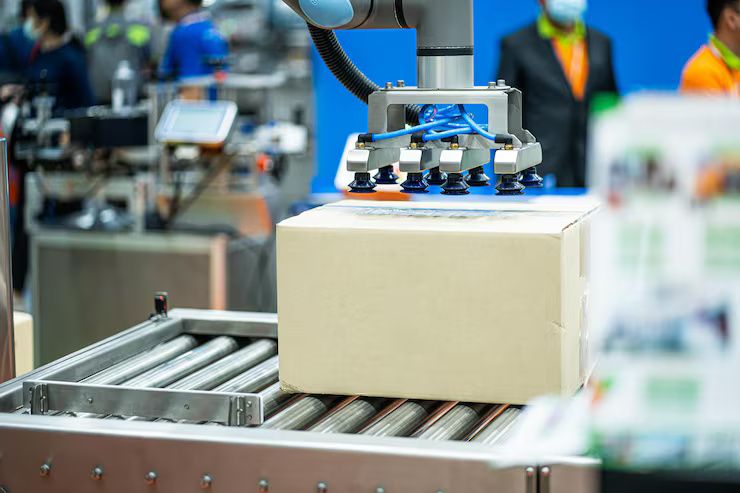
Automated packaging machines are advanced industrial systems designed to package products with limited manual involvement by using mechanical components, sensors, software controls, and automation technologies. These machines are used across industries such as food processing, pharmaceuticals, consumer goods, electronics, and manufacturing to improve packaging consistency and production efficiency.
The development of packaging automation systems is closely connected with the growth of industrial automation. Traditional packaging processes often required significant manual handling, while modern automatic packaging systems use digital controls, robotics, and integrated production lines to perform tasks such as filling, sealing, labeling, wrapping, and inspection.
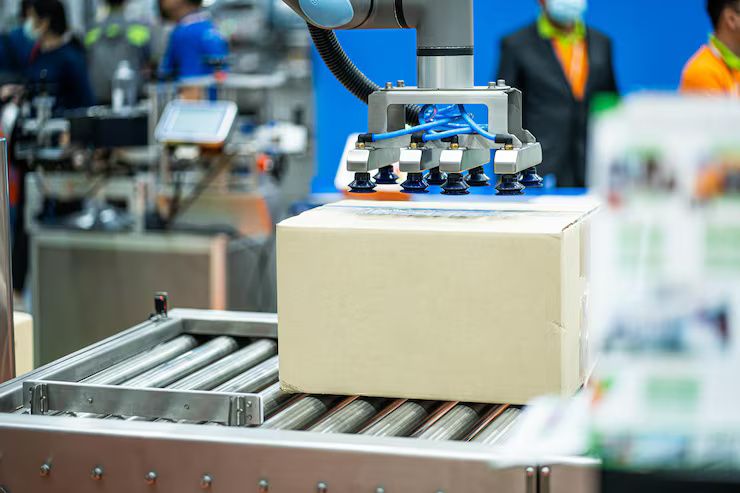
As manufacturing industries continue adopting smart production methods, automated packaging machines have become an important part of modern factories. These systems combine precision engineering, data monitoring, and advanced control technologies to support large-scale production environments.
Context
Understanding Automated Packaging Machines
Automated packaging machines are industrial systems that perform one or more packaging operations without continuous manual handling. Depending on the design, these machines can manage different stages of the packaging process.
Common packaging functions include:
- Product filling
- Container sealing
- Wrapping and bundling
- Label placement
- Quality inspection
- Material handling
These machines are designed for different product types, packaging materials, and production requirements.
How Packaging Automation Systems Work
Packaging automation systems operate through a combination of mechanical equipment, sensors, software controls, and communication technologies.
A typical automated packaging process includes:
- Product preparation and feeding
- Accurate product measurement
- Packaging material positioning
- Filling or loading process
- Sealing or closing operation
- Labeling and inspection
- Final product movement
Sensors and control systems help monitor machine operation and maintain consistent packaging processes.
Main Components of Industrial Packaging Equipment
| Component | Function |
|---|---|
| Feeding systems | Move products into packaging areas |
| Filling units | Measure and place products into containers |
| Sealing systems | Close packages securely |
| Conveyor systems | Transport products between stages |
| Sensors | Monitor position and quality conditions |
| Control panels | Manage machine operations |
| Robotic systems | Handle complex packaging movements |
Types of Automated Packaging Machines
Different industries use different types of packaging machinery based on product characteristics.
| Machine Type | Application |
| Filling machines | Liquids, powders, and solid products |
| Sealing machines | Closing packages and containers |
| Wrapping machines | Protective product packaging |
| Labeling machines | Applying product information labels |
| Cartoning machines | Creating boxed packages |
| Palletizing systems | Organizing packaged goods for transport |
Development of Packaging Machinery Technology
Packaging technology has evolved from simple mechanical systems into integrated automation platforms. Modern machines use electronic controls, robotics, and digital monitoring to improve operational accuracy.
Current packaging machinery may include:
- Computer-controlled systems
- Machine vision technology
- Robotic handling systems
- Automated inspection tools
- Data monitoring platforms
Importance
Role of Packaging Automation in Manufacturing
Packaging is a critical stage in manufacturing because it protects products, supports transportation, and provides important product information.
Packaging automation systems help manufacturers manage:
- Production consistency
- Product handling
- Packaging accuracy
- Process monitoring
- Material usage
These systems are used to support different production environments while maintaining standardized processes.
Applications Across Industries
Automated packaging machines are used in many sectors.
Food Industry: Food packaging machinery supports processes such as filling, sealing, wrapping, and labeling of packaged foods and beverages.
Pharmaceutical Industry: Pharmaceutical packaging equipment helps manage packaging requirements for medicines and healthcare products under controlled conditions.
Consumer Goods: Packaging systems support household products, personal care items, and everyday goods.
Electronics Industry: Specialized packaging equipment helps protect sensitive electronic components.
Industrial Manufacturing: Packaging automation supports machinery parts, industrial materials, and manufactured products.
Importance of Production Automation Systems
Production automation systems connect different stages of manufacturing operations. Packaging automation is often integrated with other factory processes to create coordinated production environments.
Integration may include:
- Manufacturing equipment
- Quality inspection systems
- Inventory tracking platforms
- Digital production management tools
Improving Packaging Accuracy
Accurate packaging is important for product protection and quality management. Automated systems can support consistent measurements and repeatable processes.
Automation technologies may assist with:
- Precise filling
- Controlled sealing
- Accurate labeling
- Package inspection
- Process monitoring
Role of Robotics in Packaging
Robotic packaging systems are increasingly used for tasks requiring flexibility and precise movement.
Robotic systems may perform:
- Product picking
- Sorting
- Case packing
- Pallet arrangement
- Material handling
These systems are commonly integrated into larger industrial automation equipment networks.
Recent Updates
Growth of Smart Packaging Technology
Between 2024 and 2026, smart packaging technology continued developing through increased use of sensors, connected systems, and digital monitoring.
Smart packaging systems may include:
- Product tracking technologies
- Data collection systems
- Automated inspection features
- Connected production equipment
These technologies support greater visibility across packaging operations.
Expansion of AI-Based Packaging Systems
Artificial intelligence is being explored in packaging automation for applications such as quality inspection, machine monitoring, and production analysis.
AI technologies may support:
- Defect detection
- Pattern recognition
- Equipment performance analysis
- Process optimization studies
Human supervision remains important in industrial decision-making.
Development of Sustainable Packaging Automation
Manufacturing industries are increasingly focusing on packaging materials and processes that reduce waste and improve resource management.
Automation technologies may support sustainability through:
- Material usage monitoring
- Precise packaging processes
- Reduced packaging errors
- Improved production tracking
Integration of Industrial Internet Technologies
Connected industrial systems allow packaging machines to communicate with other factory equipment.
Industrial connectivity may support:
- Real-time production information
- Equipment monitoring
- Maintenance planning
- Factory data analysis
Growth of Robotic Packaging Systems
Robotic packaging systems continue expanding as industries seek more flexible automation solutions.
Modern robotic systems can handle different product shapes, sizes, and packaging requirements through programmable controls.
Laws or Policies
Packaging Safety Regulations
Packaging operations are influenced by industry regulations related to product safety, labeling, materials, and manufacturing processes.
Requirements may address:
- Packaging quality
- Material safety
- Product information
- Consumer protection
Industry-Specific Standards
Different industries follow specific packaging standards.
Examples include:
- Food packaging safety requirements
- Pharmaceutical packaging guidelines
- Electronic product protection standards
- Industrial packaging specifications
Workplace Safety Requirements
Industrial packaging equipment must follow workplace safety guidelines related to machine operation and employee protection.
Safety considerations may include:
- Machine guarding
- Equipment inspection
- Operator training
- Emergency systems
Environmental Packaging Policies
Governments and organizations continue developing policies related to packaging waste, recycling, and sustainable materials.
These policies may influence:
- Packaging material selection
- Recycling processes
- Waste reduction practices
Tools and Resources
Packaging Design Software
Digital design tools help engineers create and evaluate packaging concepts.
These platforms may support:
- Package design
- Material selection
- Production planning
- Simulation processes
Manufacturing Execution Systems (MES)
MES platforms help monitor and manage manufacturing activities, including packaging operations.
They may support:
- Production tracking
- Quality records
- Equipment information
- Workflow management
Machine Monitoring Systems
Industrial monitoring tools collect information from packaging equipment.
Common functions include:
- Performance tracking
- Machine condition monitoring
- Production analysis
- Maintenance scheduling
Quality Inspection Systems
Automated inspection tools use sensors and cameras to evaluate packaging quality.
They may detect:
- Label placement issues
- Package defects
- Product positioning problems
- Seal quality concerns
Industry Information Resources
People interested in packaging automation can explore information from:
- Manufacturing organizations
- Engineering publications
- Regulatory agencies
- Industrial technology research groups
- Packaging associations
FAQs
What are automated packaging machines?
Automated packaging machines are industrial systems that perform packaging tasks such as filling, sealing, labeling, and wrapping with limited manual operation.
How do packaging automation systems work?
Packaging automation systems use mechanical equipment, sensors, software controls, and robotics to manage different stages of product packaging.
What industries use industrial packaging equipment?
Industrial packaging equipment is used in food processing, pharmaceuticals, electronics, consumer goods, chemicals, and manufacturing industries.
What is smart packaging technology?
Smart packaging technology uses digital systems, sensors, and connected technologies to improve monitoring, tracking, and management of packaging processes.
How are robotic packaging systems used?
Robotic packaging systems perform tasks such as picking, sorting, packing, and palletizing products within automated production environments.
Conclusion
Automated packaging machines are important components of modern manufacturing systems, combining mechanical engineering, digital controls, robotics, and production automation technologies. These systems support packaging operations across industries by improving process consistency, monitoring capabilities, and production coordination. Advances in smart packaging technology, artificial intelligence, and connected industrial systems continue shaping the future of packaging automation. Understanding these technologies helps explain their role in modern industrial production.