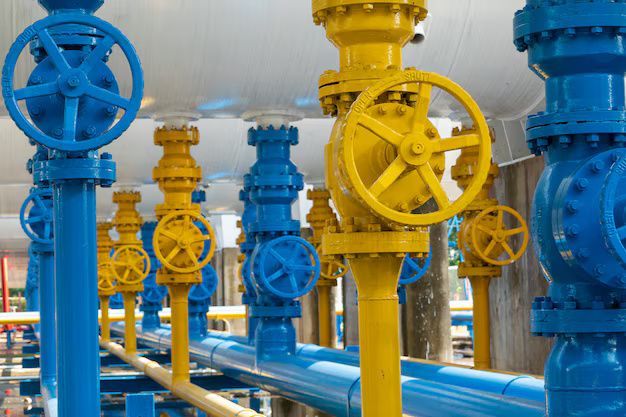
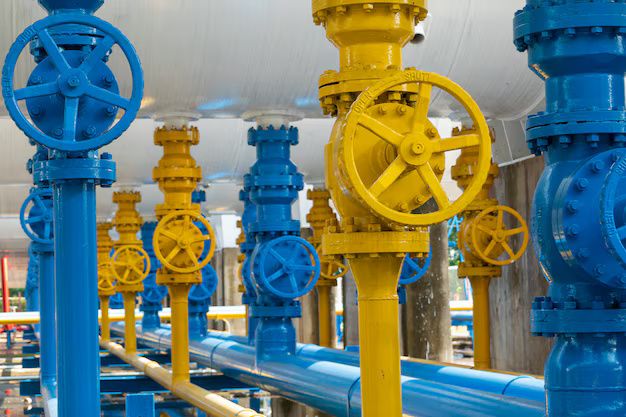
Industrial valves are essential components used to control the flow of liquids, gases, and steam in industrial systems. From oil refineries and power plants to water treatment facilities and chemical processing units, valves play a critical role in maintaining safe and efficient operations.
Modern industrial valve manufacturing combines precision engineering, advanced machinery, metal processing, and strict quality control systems. These valves must operate reliably under high pressure, extreme temperatures, and demanding industrial environments.
In this guide, we’ll explore how industrial valves are manufactured, the different valve types, the production process involved, and their applications across process industries.
What Is Industrial Valve Manufacturing?
Industrial valve manufacturing is the process of producing mechanical flow-control devices used to regulate, direct, or stop the movement of fluids within industrial systems.
The manufacturing process involves metal casting, machining, assembly, pressure testing, and finishing operations to create valves capable of handling industrial operating conditions.
Modern valve manufacturing facilities focus on
- High dimensional accuracy
- Reliable sealing performance
- Strong corrosion resistance
- Consistent industrial-grade quality
These factors help ensure long-term operational safety and performance.
Importance of Industrial Valves in Process Industries
Industrial systems depend on valves to control fluid movement safely and efficiently.
Without proper valve systems, industries would struggle to manage pressure, temperature, and flow regulation in pipelines and processing units.
Valves help support:
- Process control and automation
- Safety and pressure management
- Flow isolation and regulation
- Equipment protection and operational efficiency
Because of these functions, valves are considered essential components in modern industrial infrastructure.
Common Types of Industrial Valves
Different industries require different valve types depending on operating conditions and fluid characteristics.
Gate Valves
Gate valves are commonly used for starting or stopping fluid flow completely.
They are widely used in pipelines where full flow or complete shut-off is required.
Globe Valves
Globe valves are designed for regulating flow with better precision.
They are commonly used in systems requiring controlled flow adjustment.
Ball Valves
Ball valves use a rotating ball mechanism for quick shut-off and flow control.
These valves are widely used because of their reliability and simple operation.
Butterfly Valves
Butterfly valves use a rotating disc to control fluid flow.
They are lightweight and commonly used in large pipeline systems.
Check Valves
Check valves allow fluid to flow in only one direction and help prevent reverse flow within systems.
Pressure Relief Valves
These valves help release excess pressure and improve operational safety in industrial systems.
Raw Materials Used in Valve Manufacturing
The durability and reliability of industrial valves depend heavily on raw material quality.
Common Materials
- Carbon steel for structural strength
- Stainless steel for corrosion resistance
- Cast iron for general industrial applications
- Bronze and alloy materials for specialized environments
Material selection depends on operating pressure, temperature, and fluid type.
For example, stainless steel valves are commonly used in chemical and food processing environments because of their corrosion resistance.
Industrial Valve Manufacturing Process
The manufacturing process involves multiple production stages designed to ensure precision and long-term reliability.
1. Design and Engineering
The process begins with engineering design and technical planning.
Manufacturers develop valve specifications based on pressure ratings, temperature conditions, and application requirements.
Computer-aided design systems help improve precision and performance analysis.
2. Casting or Forging
Valve bodies are usually produced using casting or forging processes.
This stage creates the primary valve structure using molten metal or high-pressure forming techniques.
The choice depends on valve type and industrial requirements.
3. Machining Process
Machining operations shape and refine valve components with high precision.
Industrial machining equipment ensures:
- Accurate dimensions
- Smooth sealing surfaces
- Proper internal flow paths
Precision machining is critical for reliable valve performance.
4. Component Manufacturing
Internal components such as discs, stems, seats, and sealing elements are manufactured separately.
Each component must meet strict dimensional and quality standards.
5. Assembly Process
Valve parts are assembled carefully according to design specifications.
This stage includes fitting seals, stems, actuators, and operating mechanisms.
6. Surface Treatment and Coating
Protective coatings may be applied to improve corrosion resistance and durability.
Surface treatment also helps valves withstand harsh industrial environments.
7. Pressure Testing and Inspection
Every valve undergoes strict testing before approval.
Testing may include:
- Pressure resistance testing
- Leakage inspection
- Flow performance evaluation
- Safety verification
These checks help ensure compliance with industrial standards.
8. Packaging and Distribution
Finished valves are packaged and prepared for industrial transportation and installation.
Machinery Used in Industrial Valve Manufacturing
Modern valve manufacturing plants use advanced industrial machinery to improve precision and efficiency.
Common Machinery
- CNC machining centers
- Metal casting equipment
- Forging and forming machines
- Valve testing systems
- Surface finishing equipment
- Automated assembly systems
These machines help manufacturers maintain consistent quality during large-scale production.
Automation also improves production speed and reduces operational errors.
Importance of Quality Control in Valve Production
Quality control is extremely important in industrial valve manufacturing because valves often operate under critical conditions.
Manufacturers monitor:
- Dimensional accuracy
- Material strength and hardness
- Sealing efficiency
- Pressure handling capability
Strict inspection procedures help improve safety and long-term reliability.
Process Industry Applications of Industrial Valves
Industrial valves are used across multiple sectors and infrastructure systems.
Oil and Gas Industry
Valves control fluid movement in pipelines, drilling systems, and refinery operations.
Chemical Processing Plants
Chemical industries use specialized valves designed for corrosive and high-temperature environments.
Water Treatment Facilities
Valves help regulate water flow and pressure within treatment and distribution systems.
Power Generation Plants
Steam and pressure control systems in power plants rely heavily on industrial valves.
Food and Pharmaceutical Processing
Specialized sanitary valves support hygienic fluid handling applications.
These applications highlight the importance of valves in industrial operations worldwide.
Advantages of Modern Valve Manufacturing
Modern production systems provide several important benefits.
Key Advantages
- Improved precision and reliability
- Better pressure and corrosion resistance
- Efficient large-scale production
- Enhanced automation and quality control
These improvements help manufacturers meet growing industrial demands efficiently.
Challenges in Industrial Valve Manufacturing
Despite advanced technologies, valve manufacturing still presents several challenges.
Maintaining precise dimensional accuracy is important because small variations can affect sealing performance.
Material quality management is also critical for ensuring durability under extreme operating conditions.
Manufacturers must additionally comply with strict industrial safety and performance standards.
Future Trends in Industrial Valve Manufacturing
The valve industry continues evolving with advanced manufacturing technologies and automation systems.
Emerging Trends
- Smart automated valve systems
- Digital monitoring and predictive maintenance
- Advanced corrosion-resistant materials
- Energy-efficient manufacturing technologies
These innovations are helping improve operational efficiency and industrial reliability.
Practical Example of Industrial Valve Usage
Consider a large chemical processing facility where multiple valve systems regulate fluid movement, pressure levels, and temperature conditions across interconnected pipelines.
Different valve types may handle isolation, flow control, or emergency pressure release depending on operational requirements.
This demonstrates how industrial valves work together to maintain safe and efficient process operations.
Conclusion
Industrial valve manufacturing is a highly specialized process that combines precision engineering, advanced machinery, metal processing, and strict quality control systems.
From casting and machining to testing and assembly, every production stage contributes to valve safety, durability, and long-term performance.
As industrial systems continue advancing, modern valve manufacturing technologies will remain essential for supporting efficient, reliable, and safe operations across global process industries.