Bangkok is one of Southeast Asia's most visited cities and a destination known for its rich culture, historic temples, modern shopping districts, vibrant street food, and lively riverside atmosphere. As the capital of Thailand, the city blends centuries-old traditions with contemporary urban life, making it appealing to first-time visitors and experienced travelers alike.
A trip to Bangkok can include exploring ancient temples in the morning, tasting authentic Thai cuisine during the afternoon, shopping in local markets in the evening, and enjoying scenic river views after sunset. Because the city offers a wide variety of experiences, understanding its neighborhoods, transportation system, local customs, and seasonal weather can help travelers plan a smoother and more enjoyable visit.
This Bangkok travel guide explains everything a traveler should know before visiting, including important attractions, food culture, transportation options, shopping areas, cultural etiquette, recent travel trends, and practical tips for 2026.
Understanding Bangkok and Its Unique Character
Bangkok is often described as a city of contrasts. Traditional Buddhist temples stand alongside modern skyscrapers, luxury shopping centers exist next to centuries-old markets, and quiet canals flow only a short distance from busy roads.
The city sits along the Chao Phraya River, which has played a central role in Bangkok's history, trade, and daily life for generations. Many neighborhoods developed around waterways before roads became the primary transportation network.
Bangkok serves multiple purposes for visitors. Some people travel for cultural exploration, others for food experiences, shopping, business, wellness, or as a gateway to other destinations across Thailand. This diversity makes it suitable for families, solo travelers, couples, and groups.
The city is also known for being walkable in certain districts while offering an extensive public transportation network that connects many popular attractions.
Why Bangkok Remains One of Asia's Most Popular Travel Destinations
Bangkok attracts millions of domestic and international visitors because it offers a combination of history, entertainment, cuisine, and convenience within one destination.
Its cultural heritage includes royal palaces, historic temples, museums, traditional markets, and festivals that reflect Thailand's long history and Buddhist traditions. At the same time, modern Bangkok features shopping malls, rooftop restaurants, art galleries, technology centers, and international entertainment venues.
Food is another major reason travelers choose Bangkok. The city is famous for its street food culture, traditional Thai dishes, regional specialties, seafood, tropical fruits, and dessert markets. Travelers can experience both local family-owned restaurants and contemporary dining experiences throughout the city.
Bangkok also works well as a transportation hub for exploring other regions of Thailand, including beaches, mountains, islands, and historic cities.
Best Areas to Explore in Bangkok
Every neighborhood in Bangkok has its own personality, history, and attractions. Choosing where to spend time often depends on travel interests.
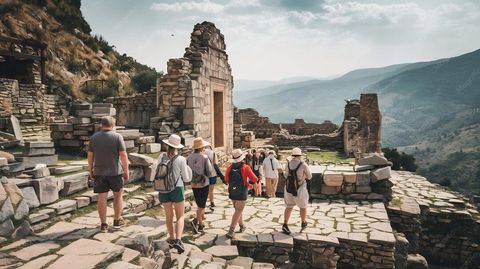
The historic center contains many of Bangkok's most famous cultural landmarks, including temples, museums, and traditional markets. This area is ideal for visitors interested in architecture, history, and religious heritage.
The riverside district offers scenic views, historic hotels, cultural attractions, dinner cruises, and easy access to river ferries that connect multiple neighborhoods.
Sukhumvit is one of Bangkok's busiest modern districts. It combines shopping, international restaurants, nightlife, parks, and convenient public transportation.
Silom mixes business, culture, temples, food streets, and parks, making it popular for both daytime exploration and evening dining.
Chinatown provides a completely different experience with traditional markets, gold shops, Chinese temples, local street food, and historic architecture.
Each district contributes to Bangkok's multicultural identity and gives travelers different perspectives on the city.
Famous Attractions That Define Bangkok
Bangkok is home to many landmarks that represent Thailand's culture and history.
The Grand Palace remains one of the city's most recognized attractions. It showcases traditional Thai architecture, royal history, ceremonial buildings, and beautifully decorated temples.
Wat Pho is famous for its reclining Buddha statue and traditional Thai massage heritage. The temple complex also contains historic murals and educational architecture.
Wat Arun, located across the river, is known for its distinctive riverside tower decorated with colorful porcelain details.
Other notable attractions include museums, cultural centers, floating markets, traditional canals, botanical gardens, public parks, observation decks, and historical neighborhoods.
Visitors often combine temple visits with river transportation to experience multiple attractions during the same day.
Bangkok's Food Culture and Local Cuisine
Food is deeply connected to Bangkok's identity. The city's culinary culture reflects influences from central Thailand, regional Thai cooking traditions, neighboring countries, and generations of local communities.
Street food is available throughout Bangkok, especially in markets and neighborhood food streets. Many dishes are prepared fresh using herbs, spices, rice, seafood, vegetables, and tropical ingredients.
Popular Thai dishes include noodle soups, stir-fried noodles, curries, grilled seafood, rice dishes, spicy salads, coconut-based desserts, and fresh fruit snacks.
Traditional markets also provide opportunities to discover seasonal fruits, local sweets, herbal drinks, and regional specialties that may not appear in restaurants.
Visitors should remember that Thai cuisine ranges from mild to very spicy, and many restaurants allow customers to request their preferred spice level.
Shopping Experiences Across Bangkok
Shopping in Bangkok ranges from luxury malls to traditional community markets.
Modern shopping centers feature international brands, Thai designers, electronics, beauty products, books, and lifestyle stores. Many malls also include entertainment areas, cinemas, and food courts showcasing regional Thai cuisine.
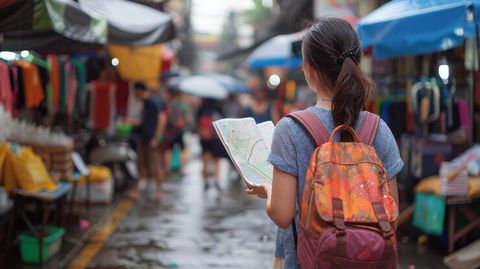
Local markets offer handmade crafts, clothing, textiles, souvenirs, artwork, home décor, accessories, and traditional products.
Night markets have become popular because they combine shopping, food stalls, music, and local culture in one location. Weekend markets often feature hundreds of independent vendors selling locally produced goods.
Travelers looking for authentic souvenirs frequently choose handcrafted products, Thai silk, ceramics, natural skincare products, spices, teas, and locally designed fashion items.
Getting Around Bangkok Easily
Bangkok's transportation system has expanded significantly over recent years, making travel easier across many districts.
The BTS Skytrain connects several major shopping, business, and residential neighborhoods while avoiding heavy road traffic.
The MRT subway provides access to historic districts, markets, commercial centers, and transportation hubs.
River boats remain an important part of Bangkok transportation and provide scenic routes along the Chao Phraya River while connecting cultural attractions.
Public buses, taxis, ride-hailing services, and tuk-tuks also operate throughout the city, offering additional transportation choices depending on destination and travel preference.
Using rail and river transportation together often reduces travel time during busy hours.
Cultural Etiquette Every Visitor Should Know
Understanding local customs helps visitors interact respectfully with Bangkok's communities.
Thailand has a strong Buddhist cultural influence, and temples remain active places of worship rather than only tourist attractions.
Visitors should dress respectfully when entering religious sites. Clothing that covers shoulders and knees is generally appropriate in temples and sacred locations.
Removing shoes before entering certain religious buildings or homes is a common custom.
Respect for monks, elders, and religious symbols is an important part of Thai culture. Speaking politely and behaving calmly in public spaces is appreciated.
The traditional Thai greeting, known as the wai, reflects respect and courtesy in many situations.
Learning a few basic Thai phrases can also create positive interactions with local residents.
Weather and Best Time to Visit Bangkok
Bangkok has a tropical climate throughout the year with warm temperatures and seasonal rainfall.
The cooler season is generally considered comfortable for sightseeing, outdoor markets, walking tours, and river activities.
The hot season brings higher temperatures, making indoor attractions, museums, shopping centers, and evening exploration more comfortable during certain hours.
The rainy season features frequent but often short periods of rainfall, creating greener landscapes while still allowing travel plans with some flexibility.
Packing lightweight clothing, comfortable walking shoes, sun protection, and a compact rain jacket helps prepare for changing weather conditions.
Recent Travel Trends in Bangkok During 2025–2026
Bangkok continues to evolve as a travel destination with new cultural spaces, expanded transportation connections, sustainability initiatives, and digital travel services.
More neighborhoods now promote walking routes, cycling experiences, local artisan communities, and community-based tourism beyond traditional tourist districts.
Sustainable tourism has become increasingly important, encouraging travelers to support local businesses, reduce single-use plastic, and participate in environmentally responsible activities.
Digital ticketing, contactless transportation payments, language translation tools, and travel planning applications have also become more widely available across the city.
Cultural festivals, food events, art exhibitions, and riverfront community events continue to attract both residents and international visitors throughout the year.
Practical Travel Tips for First-Time Visitors
Planning ahead can make a Bangkok trip more comfortable and efficient.
Comfortable walking shoes are useful because many attractions involve walking through temple complexes, markets, parks, and shopping districts.
Staying hydrated is important due to Bangkok's warm climate, especially during outdoor sightseeing.
Keeping small everyday essentials easily accessible can help when using public transportation or visiting busy markets.
Visitors should remain aware of local customs, follow instructions at religious sites, and respect photography rules where applicable.
Planning attractions by neighborhood instead of traveling repeatedly across the city can save significant travel time.
Early morning visits to popular temples and cultural attractions often provide a quieter experience before larger crowds arrive.
Sample Bangkok Travel Experience
A balanced Bangkok itinerary often combines culture, food, shopping, and relaxation.
A morning might begin with visits to historic temples and riverside landmarks before temperatures become warmer.
The afternoon could include museums, local cafés, shopping centers, or indoor cultural attractions.
Evenings are ideal for exploring night markets, riverside restaurants, cultural performances, and illuminated temples.
This combination allows visitors to experience both traditional and modern Bangkok without rushing through attractions.
Frequently Asked Questions About Bangkok Travel
Is Bangkok suitable for first-time international travelers?
Yes. Bangkok offers a wide range of accommodations, transportation options, English-language tourist services, and well-known attractions that make it accessible for many first-time international visitors.
How many days are enough to explore Bangkok?
Many travelers spend three to five days exploring major attractions, neighborhoods, temples, markets, parks, museums, and local food experiences while allowing time for relaxation.
What food should visitors try in Bangkok?
Bangkok is known for noodle dishes, curries, rice meals, seafood, tropical fruits, traditional desserts, grilled dishes, soups, and regional Thai specialties available in restaurants and local markets.
What should travelers wear when visiting temples?
Respectful clothing that covers shoulders and knees is commonly recommended when visiting temples and religious sites throughout Bangkok.
Is public transportation convenient in Bangkok?
Yes. Bangkok's BTS Skytrain, MRT subway, river boats, buses, taxis, and ride-hailing services provide multiple ways to travel across different parts of the city.
Conclusion
Bangkok offers a travel experience that combines cultural heritage, modern city life, traditional markets, world-famous cuisine, scenic riverfronts, and welcoming local communities. Whether visitors are interested in temples, shopping, food, history, architecture, parks, or nightlife, the city provides experiences for a wide range of travel styles.
Understanding Bangkok's neighborhoods, transportation network, cultural etiquette, seasonal weather, and local traditions helps travelers make informed decisions while exploring the city more confidently. As Bangkok continues to develop through sustainable tourism, improved public transport, and expanding cultural experiences, it remains one of Asia's most dynamic destinations for travelers seeking both tradition and modern urban exploration.