National park safaris offer one of the most rewarding ways to experience wildlife and natural landscapes. They provide an opportunity to observe animals in their natural habitats while learning about ecosystems, biodiversity, and conservation. Whether visiting forests, grasslands, wetlands, deserts, or mountain parks, a safari combines adventure with education and appreciation for nature.
Unlike wildlife attractions in controlled environments, national park safaris focus on protecting natural habitats while allowing visitors to explore them responsibly. Every safari is different because wildlife movements, weather, seasons, and landscapes constantly change. This makes each visit unique and encourages visitors to understand nature rather than expect a fixed experience.
As interest in sustainable travel continues to grow, national park safaris have become an important part of eco-tourism in many countries. Families, photographers, students, researchers, and nature enthusiasts all visit national parks to discover wildlife while supporting conservation efforts through responsible tourism.
Understanding National Park Safaris
A national park safari is a guided or regulated journey through a protected natural area where visitors can observe wildlife, birds, plants, and landscapes. National parks are established to preserve ecosystems and protect endangered species, making safaris an educational experience rather than simply a sightseeing activity.
Safaris may take place in tropical forests, savannas, mangrove wetlands, alpine regions, or coastal ecosystems. Depending on the park's environment, visitors may encounter mammals, reptiles, birds, insects, amphibians, and countless plant species that contribute to ecological balance.
Most national parks follow strict rules regarding visitor movement, designated routes, and wildlife interaction. These regulations help reduce disturbance to animals while ensuring visitor safety and habitat preservation.
Why National Park Safaris Matter Today
National park safaris are increasingly important because they connect people with nature in a world experiencing rapid urbanization and environmental change. Many people have limited opportunities to observe wildlife in natural environments, making protected parks valuable educational spaces.
Safaris also help increase awareness about endangered species, habitat conservation, climate change, and ecosystem restoration. Visitors often gain a better understanding of how forests regulate climate, protect water sources, and support biodiversity.
Responsible safari tourism also contributes to conservation by encouraging governments and communities to preserve wildlife habitats instead of converting them into urban or industrial landscapes.
Different Types of National Park Safaris
National park safaris vary depending on terrain, wildlife, and conservation practices. Each type offers a different perspective on the natural environment.
Jeep Safari
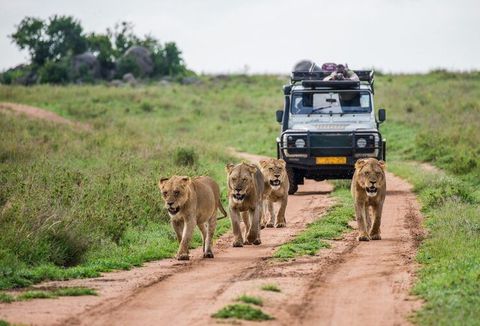
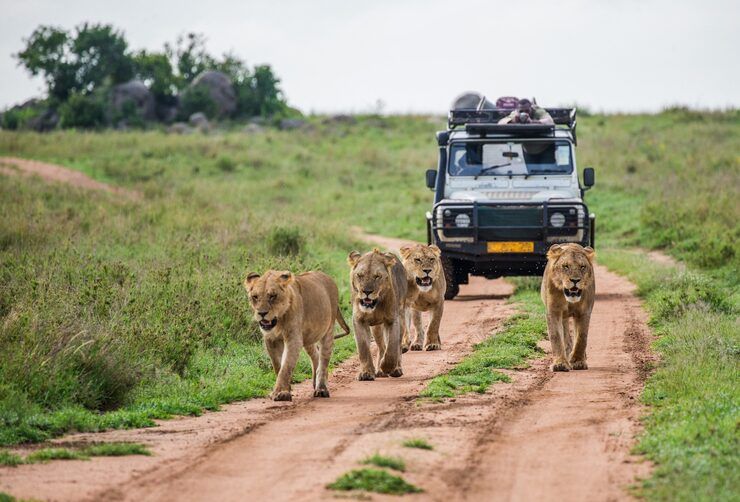
Jeep safaris are among the most popular options in forest and grassland national parks. Visitors travel through designated routes with trained drivers and guides who help identify wildlife and explain animal behavior. Jeep safaris allow access to larger areas while minimizing environmental impact through regulated paths.
Walking Safari
Walking safaris offer a slower and more immersive experience. Guided by trained naturalists, visitors explore forests or grasslands on foot while learning about animal tracks, plants, insects, birds, and ecological relationships. Walking safaris focus on observation rather than covering long distances.
Boat Safari
Wetland and river-based national parks often provide boat safaris. These journeys allow visitors to observe aquatic wildlife, crocodiles, turtles, water birds, dolphins in some regions, and animals that gather near riverbanks.
Canter or Bus Safari
Some parks use larger safari vehicles to accommodate more visitors. These safaris are common in parks with established tourism infrastructure and designated wildlife zones.
Birding Safari
Bird-focused safaris are designed for birdwatchers and photographers interested in migratory and resident bird species. Wetlands, forests, and grasslands often become important birding destinations during migration seasons.
Wildlife You May Encounter During a Safari
Wildlife experiences vary by geography, climate, and habitat. National parks protect species that are often difficult to observe elsewhere.
Large mammals are frequently the main attraction in many parks, including deer, elephants, rhinoceroses, bears, wild buffalo, antelopes, wolves, leopards, lions, or tigers depending on the region.
Birdlife can be equally impressive, with hundreds of species inhabiting forests, wetlands, and mountain ecosystems. Visitors may see owls, eagles, hornbills, kingfishers, flamingos, cranes, peacocks, parrots, and migratory water birds.
Reptiles such as crocodiles, snakes, turtles, and monitor lizards also play important ecological roles in many national parks.
Smaller wildlife including butterflies, insects, frogs, monkeys, squirrels, and reptiles contribute to biodiversity and are often overlooked despite their importance within ecosystems.
Best Time to Visit National Parks for Safaris
The best safari season depends on weather patterns and wildlife behavior rather than a single universal calendar.
Dry seasons generally improve wildlife visibility because animals gather around water sources and vegetation becomes less dense. Cooler temperatures often make safari journeys more comfortable for visitors.
Rainy seasons transform forests into lush green landscapes and create excellent opportunities for birdwatching, amphibian observation, and landscape photography. However, heavy rainfall may temporarily close some safari routes.
Migration periods attract birdwatchers to wetlands and grasslands where seasonal bird populations increase significantly.
Morning safaris often provide higher chances of spotting wildlife because many animals are active during cooler hours. Evening safaris may also reveal animals returning to water sources or becoming active before nightfall.
Planning a National Park Safari
Planning helps visitors enjoy the experience while respecting park regulations.
Choosing the right national park depends on personal interests, whether wildlife photography, birdwatching, forest exploration, or family travel. Understanding the park's habitat and key species helps set realistic expectations before visiting.
Visitors should check safari schedules, seasonal accessibility, and park guidelines in advance. Many parks operate with limited daily entries to reduce environmental pressure and protect wildlife habitats.
Packing comfortable clothing in natural colors helps visitors blend into the environment without disturbing wildlife. Lightweight layers, walking shoes, hats, reusable water bottles, binoculars, notebooks, and cameras are commonly useful items for safari trips.
Preparing for changing weather conditions is equally important because temperatures may vary between early mornings and afternoons.
Responsible Wildlife Observation
The quality of a safari depends not only on wildlife sightings but also on responsible visitor behavior.
Maintaining a safe distance from animals allows them to behave naturally without stress. Feeding wildlife changes animal behavior and may create safety risks for both animals and visitors.
Keeping noise levels low increases the chances of observing wildlife while reducing disturbance in natural habitats. Many animals rely on hearing to detect predators and communicate with one another.
Photography should be respectful by avoiding flash when it may disturb wildlife, especially birds and nocturnal animals.
Following designated routes prevents habitat damage and protects sensitive vegetation, nesting areas, and breeding grounds.
Responsible observation creates a better experience for everyone while supporting long-term conservation goals.
National Park Safaris and Conservation
Conservation is the foundation of every national park safari. Protected areas preserve habitats that support thousands of interconnected species and ecological processes.
Wildlife conservation programs focus on habitat restoration, anti-poaching measures, species monitoring, scientific research, and ecosystem management. Rangers, researchers, conservationists, and local communities work together to protect biodiversity.
Safaris also contribute to environmental education by helping visitors understand challenges facing wildlife, including habitat fragmentation, invasive species, pollution, and climate change.
Many parks conduct wildlife population monitoring through camera traps, tracking, satellite technology, and field research. Information collected helps conservation teams make informed decisions about habitat protection and species recovery.
The Role of Local Communities
Communities living near national parks often play an important role in conservation and sustainable tourism. Local guides share traditional ecological knowledge, wildlife behavior, cultural history, and regional biodiversity with visitors.
Community participation helps create awareness about protecting forests, reducing illegal hunting, restoring habitats, and managing natural resources sustainably.
Eco-tourism initiatives may also encourage conservation-friendly livelihoods that support both environmental protection and local economic development without harming wildlife habitats.
Wildlife Photography During Safaris
National park safaris provide excellent opportunities for wildlife photography because natural habitats showcase authentic animal behavior.
Patience is one of the most valuable photography skills during a safari. Animals move unpredictably, and waiting quietly often results in more meaningful observations.
Natural lighting during sunrise and sunset creates softer colors and improved visibility across landscapes and wildlife.
Photographers should prioritize ethical practices by avoiding actions that attract, chase, or disturb animals for photographs.
Respecting park rules ensures photography supports conservation rather than interfering with wildlife.
Safety During National Park Safaris
Safety guidelines protect both visitors and wildlife throughout the safari experience.
Visitors should always remain inside authorized vehicles unless walking safaris are guided by trained professionals. Unexpected wildlife encounters require calm behavior and following guide instructions.
Avoiding litter protects animals from ingesting harmful materials and keeps ecosystems clean.
Listening to trained guides is essential because they understand wildlife behavior, park regulations, and environmental risks specific to each habitat.
Hydration, sun protection, and awareness of weather conditions also contribute to a comfortable safari experience.
Recent Trends in National Park Safaris
National park safaris have evolved with growing emphasis on sustainable tourism and conservation technology.
Many parks now use digital booking systems to manage visitor capacity and reduce overcrowding. Camera traps and remote monitoring technologies support wildlife research while minimizing human interference.
Eco-friendly safari practices such as electric safari vehicles, waste reduction initiatives, and habitat restoration projects are becoming more common in protected areas.
Birdwatching, nature interpretation, conservation volunteering, and educational safaris have also grown in popularity as travelers seek experiences beyond traditional wildlife viewing.
Greater awareness about biodiversity and climate resilience continues to influence how national parks balance tourism with environmental protection.
Frequently Asked Questions
What is a national park safari?
A national park safari is a guided or regulated wildlife exploration inside a protected natural area where visitors observe animals, birds, plants, and landscapes in their natural habitats.
When is the best time to go on a safari?
The best time depends on the park's climate and wildlife patterns, although dry seasons and cooler morning hours often improve wildlife visibility.
Are national park safaris suitable for families?
Many national parks welcome families and provide regulated safari experiences that are educational and suitable for different age groups, depending on park guidelines.
What should I wear during a safari?
Comfortable clothing in neutral or earthy colors, sturdy footwear, weather-appropriate layers, and sun protection are generally recommended.
Why are safari rules important?
Safari rules protect wildlife habitats, reduce disturbance to animals, improve visitor safety, and support long-term conservation efforts.
Conclusion
National park safaris offer much more than wildlife sightings. They create opportunities to understand ecosystems, appreciate biodiversity, and experience nature in a respectful and responsible way. Every safari reveals how plants, animals, rivers, forests, grasslands, and wetlands work together to maintain ecological balance.
A well-planned safari encourages observation, patience, and environmental awareness rather than simply searching for famous animals. Visitors learn about conservation challenges, seasonal wildlife behavior, and the importance of protecting natural habitats for future generations.
As sustainable travel continues to grow, national park safaris remain one of the most meaningful ways to connect with the natural world while supporting biodiversity conservation and responsible tourism practices.