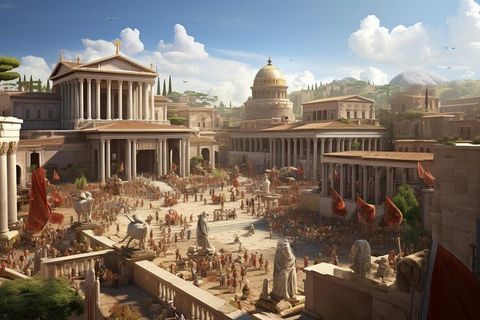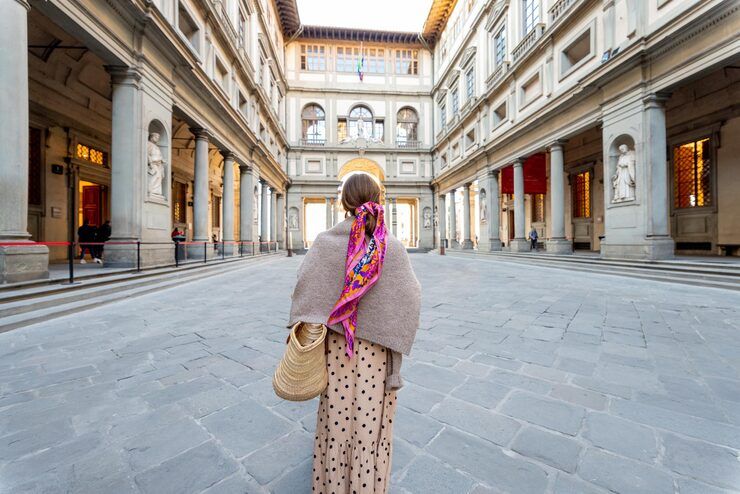
Barcelona architecture walks are routes that connect buildings, streets, public spaces, historic districts, and architectural landmarks on foot. They allow visitors to understand how the city developed from Roman Barcelona to the medieval Gothic Quarter, the Modernisme period, and contemporary urban design.
The city is particularly associated with Antoni Gaudí, but its architectural identity extends far beyond his work. The official tourism authority highlights Roman remains, medieval buildings, Baroque structures, industrial heritage, Modernisme architecture, and contemporary urban spaces as parts of Barcelona's built history.
A typical architecture walk can focus on one period or combine several. Popular themes include:
- Roman and medieval Barcelona
- Gothic architecture in Ciutat Vella
- Modernisme in Eixample
- Gaudí's buildings and public spaces
- Industrial heritage
- Contemporary architecture and urban planning
- Parks, plazas, and redesigned public areas
The Eixample district is especially important because its planned street grid creates a clear setting for studying architecture, urban blocks, façades, courtyards, and public movement.
Why Barcelona Architecture Walks Matter
Architecture walks make it easier to understand buildings in their original urban context. Instead of viewing individual landmarks separately, visitors can see how streets, homes, religious buildings, markets, parks, and public spaces developed together.
This approach is useful for several groups:
- International visitors interested in culture and history
- Architecture and design students
- Photographers and urban researchers
- Teachers planning educational visits
- Families looking for structured cultural activities
- Residents exploring lesser-known parts of the city
Barcelona's architecture also illustrates how cities adapt older structures for new purposes. Former industrial buildings such as Fabra i Coats, Can Ricart, and Can Felipa demonstrate how industrial heritage can be incorporated into contemporary community spaces while retaining architectural elements.
Gaudí's work provides another important example. UNESCO lists seven properties associated with Antoni Gaudí, including Park Güell, Palau Güell, Casa Milà, Casa Vicens, Casa Batlló, parts of the Sagrada Família, and the Crypt of Colònia Güell.
| Architectural period | Examples to explore | Main features |
|---|---|---|
| Roman | Temple of Augustus, Roman walls | Columns, archaeology, defensive structures |
| Medieval | Gothic Quarter, Plaça del Rei | Stone construction, churches, narrow streets |
| Modernisme | Casa Batlló, Casa Milà | Organic forms, ornament, innovative materials |
| Industrial | Fabra i Coats, Can Ricart | Factories, adaptive reuse, industrial structures |
| Contemporary | Public spaces and regenerated districts | Sustainability, accessibility, urban renewal |
Recent Architecture Developments in Barcelona
Barcelona 2026: World Capital of Architecture
One of the most significant developments for architecture in Barcelona is the city's designation as World Capital of Architecture for 2026.
The official programme runs from 12 February to 13 December 2026 and includes more than 1,500 activities across all ten districts. These include exhibitions, urban routes, workshops, open days, conferences, installations, and guided visits.
The programme places architecture within wider discussions about climate change, housing, public space, urban development, and sustainability.
The UIA World Congress of Architects took place from 28 June to 2 July 2026. Its theme, “Becoming. Architectures for a Planet in Transition,” focused on how architecture can respond to changing environmental and social conditions.
Gaudí Year 2026
2026 also marks 100 years since Antoni Gaudí's death. The Government of Catalonia designated 2026 as Gaudí Year, with activities intended to explain his work as a complete body of architecture rather than focusing only on the best-known landmarks.
This provides an opportunity to explore less prominent Gaudí locations alongside major landmarks such as the Sagrada Família, Casa Batlló, Casa Vicens, Palau Güell, and Park Güell.
Greater interest in lesser-known heritage
Barcelona's official tourism resources increasingly highlight architectural heritage beyond the most recognized attractions. Its “Undiscovered Architectural Heritage” route includes sites from Roman, medieval, Baroque, Neoclassical, Modernisme, and industrial periods.
Laws, Heritage Rules and Urban Policies
Barcelona's architectural landscape is influenced by heritage protection at several levels.
UNESCO recognition provides an international framework for the protection of Gaudí's listed works. At the national and regional levels, protection includes Spain's Historical Heritage legislation and Catalonia's Cultural Heritage legislation. Municipal planning instruments also contribute to the protection of architectural heritage.
For visitors, the practical implication is simple: historic buildings and public spaces may have specific access, photography, movement, or preservation rules.
Park Güell, for example, is both a major architectural landmark and a municipal park. It was declared an artistic monument in 1969 and became part of the UNESCO-listed Gaudí heritage in 1984. Certain periods of the day are reserved for local residents under the park's access arrangements.
Responsible tourism guidance from Barcelona encourages visitors to respect heritage guidelines, protect historic places, and explore the city on foot, by public transport, or by bicycle where appropriate.
Architectural conservation also affects renovation and construction. Barcelona's heritage procedures can require historical descriptions, photographs, architectural documentation, plans, and material studies for interventions involving protected buildings or areas.
These policies help balance architectural conservation with the continuing use of historic buildings.
Helpful Tools and Resources
Several resources can make an architecture walk easier to plan and understand.
- Barcelona Tourism: Official information about architectural routes, districts, cultural landmarks, and themed walks.
- Barcelona World Capital of Architecture 2026: Programme information for exhibitions, routes, workshops, and architecture-related activities.
- UNESCO World Heritage Centre: Background information on the Works of Antoni Gaudí and their heritage significance.
- Barcelona City Council heritage information: Useful for understanding heritage protection and urban planning.
- Official mapping applications: Helpful for creating walking routes, checking distances, and identifying nearby landmarks.
- Museum and landmark websites: Useful for checking opening arrangements and access requirements before beginning a walk.
- Architecture books and digital guides: Useful for identifying architects, construction dates, materials, and historical periods.
For a self-guided route, it can help to divide the walk into short stages rather than trying to cover the entire city in one day.
A simple route structure could look like this:
Plaça de Catalunya → Passeig de Gràcia → Casa Batlló → Casa Milà → Eixample streets → Sagrada Família
Another route can focus on older Barcelona:
Plaça Nova → Roman walls → Temple of Augustus → Gothic Quarter → Plaça del Rei → El Born
The second route demonstrates how Roman, medieval, and later urban layers can exist within a relatively compact area.
Frequently Asked Questions
What is the best area for Barcelona architecture walks?
Eixample is particularly useful for Modernisme architecture because it contains major buildings by Gaudí and other architects. The Gothic Quarter is better suited to Roman and medieval architecture. Choosing an area depends on the architectural period you want to study.
Can Barcelona architecture walks include Gaudí buildings?
Yes. Gaudí-related walks can include buildings such as Casa Batlló, Casa Milà, Casa Vicens, Palau Güell, Park Güell, and the Sagrada Família. UNESCO recognizes seven Gaudí properties as part of its World Heritage listing.
How long should an architecture walk take?
A focused neighborhood walk can take around two to three hours, while a broader route may require most of a day. Allow additional time when visiting interiors, museums, or major heritage sites.
Are there architecture walks beyond Gaudí?
Yes. Barcelona has Roman, medieval, Baroque, Neoclassical, Modernisme, industrial, and contemporary architecture. The city's official heritage routes specifically highlight lesser-known buildings outside the most famous Gaudí landmarks.
Why is 2026 significant for Barcelona architecture?
Barcelona is the World Capital of Architecture throughout 2026, with more than 1,500 architecture-related activities scheduled across the city's ten districts. The year also marks the centenary of Antoni Gaudí's death.
Conclusion
Barcelona architecture walks provide a practical way to understand the city's history through its streets and buildings. The experience extends beyond famous landmarks, connecting Roman remains, medieval structures, Modernisme façades, industrial heritage, parks, and contemporary urban design.
The year 2026 has particular significance because Barcelona is the World Capital of Architecture and is also commemorating 100 years since Antoni Gaudí's death. These events place the city's architectural heritage within broader discussions about conservation, sustainability, public space, and the future of urban design.
For visitors, a well-planned walking route can combine major landmarks with lesser-known buildings while respecting local heritage rules. For students and architecture enthusiasts, Barcelona provides an unusually varied example of how different architectural periods can coexist within one urban landscape.